Antonio Salieri

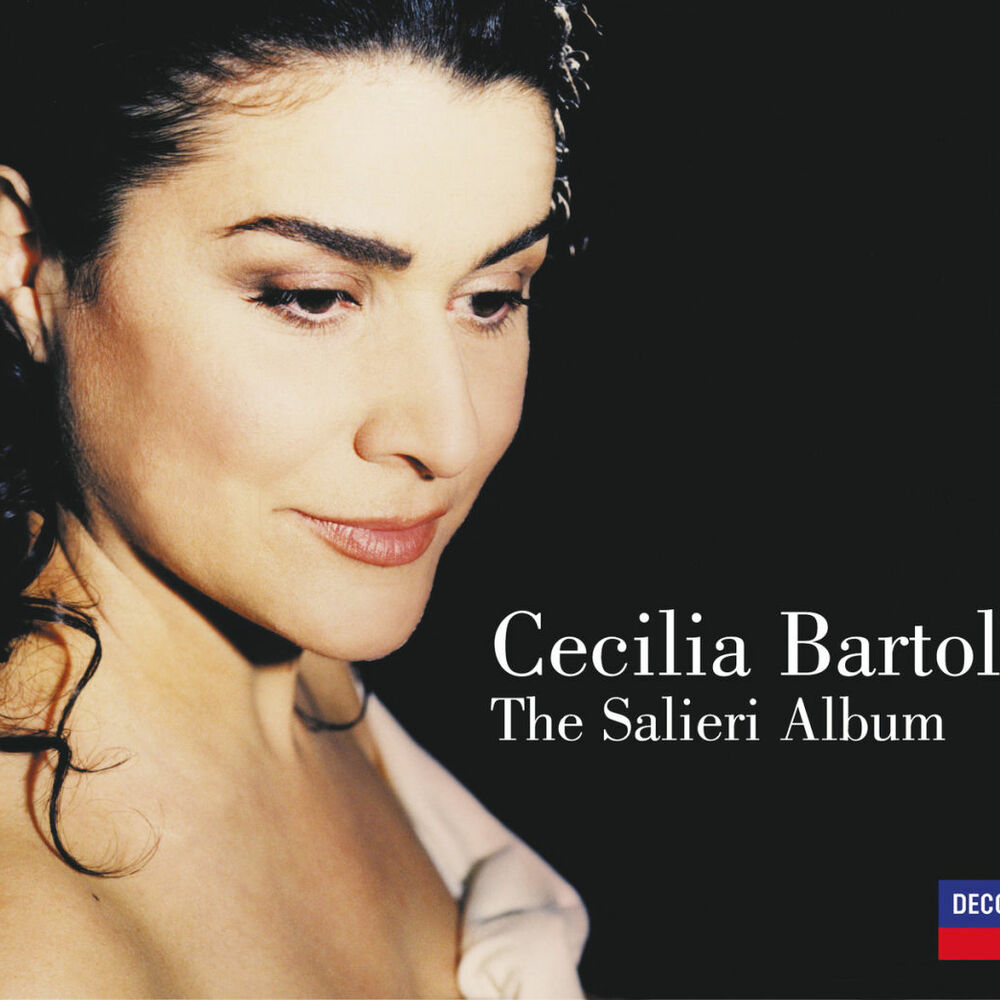
Antonio Salieri
۲٫۷ هزار طرفدار
جدیدترینها
Danse macabre
Le roi s'amuse: Pavane
Fanfare for the Common Man
Carmina Burana: No. 1, O Fortuna (Featured in "Excalibur")
Neukomm: Quatuor pour être exécuté à la Grotte tuonante près le Scoglio di Virgilio dans le Golfe de Naples: I. Andante
آخرین انتشارها

The Essential Slovak Radio Symphony Orchestra
آخرین انتشار • آلبوم
The Essential Slovak Radio Symphony Orchestra
۲۰۲۵ • آلبوم
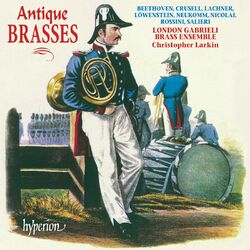
Antique Brasses: Original Brass Music on Period Instruments
۲۰۲۴ • آلبوم
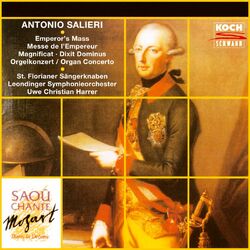
Salieri: Mass No. 1 in D Major "Emperor Mass"; Organ Concert in C Major, Dixit Dominus; Magnificat in C Major
۲۰۲۴ • آلبوم


طرفداران اینها را هم گوش میدهند


درباره
۲٬۶۸۶ طرفدار
۹ انتشار • فعال از ۱۹۹۸
Antonio Salieri (18 August 1750 – 7 May 1825) was an Italian composer and teacher of the classical period. Salieri was a pivotal figure in the development of late 18th-century opera. As a student of Florian Leopold Gassmann, and a protégé of Christoph Willibald Gluck, Salieri was a cosmopolitan composer who wrote operas in three languages. Salieri helped to develop and shape many of the features of operatic compositional vocabulary, and his music was a powerful influence on contemporary composers. He was born in Legnago, south of Verona, in the Republic of Venice, and spent his adult life and career as a subject of the Habsburg monarchy. Appointed the director of the Italian opera by the Habsburg court, a post he held from 1774 until 1792, Salieri dominated Italian-language opera in Vienna. During his career, he also spent time writing works for opera houses in Paris, Rome, and Venice, and his dramatic works were widely performed throughout Europe during his lifetime. As the Austrian imperial Kapellmeister from 1788 to 1824, he was responsible for music at the court chapel and attached school. He wrote no new operas after 1804, and his works slowly dropped from performance. Despite this, he still remained one of the most important and sought-after teachers of his generation, his influence still being felt in every aspect of Vienna's musical life to this date. Franz Liszt, Franz Schubert, Ludwig van Beethoven, Anton Eberl, Johann Nepomuk Hummel and Franz Xaver Wolfgang Mozart were among the most famous of his pupils. Salieri's music slowly disappeared from the repertoire between 1800 and 1868 and was rarely heard after that period until the revival of his fame in the late 20th century. This revival was partially due to the fictionalized depiction of Salieri in Peter Shaffer's play Amadeus (1979) and its 1984 film version.
ادامهی بیوگرافی
Antonio Salieri (18 August 1750 – 7 May 1825) was an Italian composer and teacher of the classical period. Salieri was a pivotal figure in the development of late 18th-century opera. As a student of Florian Leopold Gassmann, and a protégé of Christoph Willibald Gluck, Salieri was a cosmopolitan composer who wrote operas in three languages. Salieri helped to develop and shape many of the features of operatic compositional vocabulary, and his music was a powerful influence on contemporary composers. He was born in Legnago, south of Verona, in the Republic of Venice, and spent his adult life and career as a subject of the Habsburg monarchy. Appointed the director of the Italian opera by the Habsburg court, a post he held from 1774 until 1792, Salieri dominated Italian-language opera in Vienna. During his career, he also spent time writing works for opera houses in Paris, Rome, and Venice, and his dramatic works were widely performed throughout Europe during his lifetime. As the Austrian imperial Kapellmeister from 1788 to 1824, he was responsible for music at the court chapel and attached school. He wrote no new operas after 1804, and his works slowly dropped from performance. Despite this, he still remained one of the most important and sought-after teachers of his generation, his influence still being felt in every aspect of Vienna's musical life to this date. Franz Liszt, Franz Schubert, Ludwig van Beethoven, Anton Eberl, Johann Nepomuk Hummel and Franz Xaver Wolfgang Mozart were among the most famous of his pupils. Salieri's music slowly disappeared from the repertoire between 1800 and 1868 and was rarely heard after that period until the revival of his fame in the late 20th century. This revival was partially due to the fictionalized depiction of Salieri in Peter Shaffer's play Amadeus (1979) and its 1984 film version.
منبع: ویکیپدیا