London Symphony Orchestra

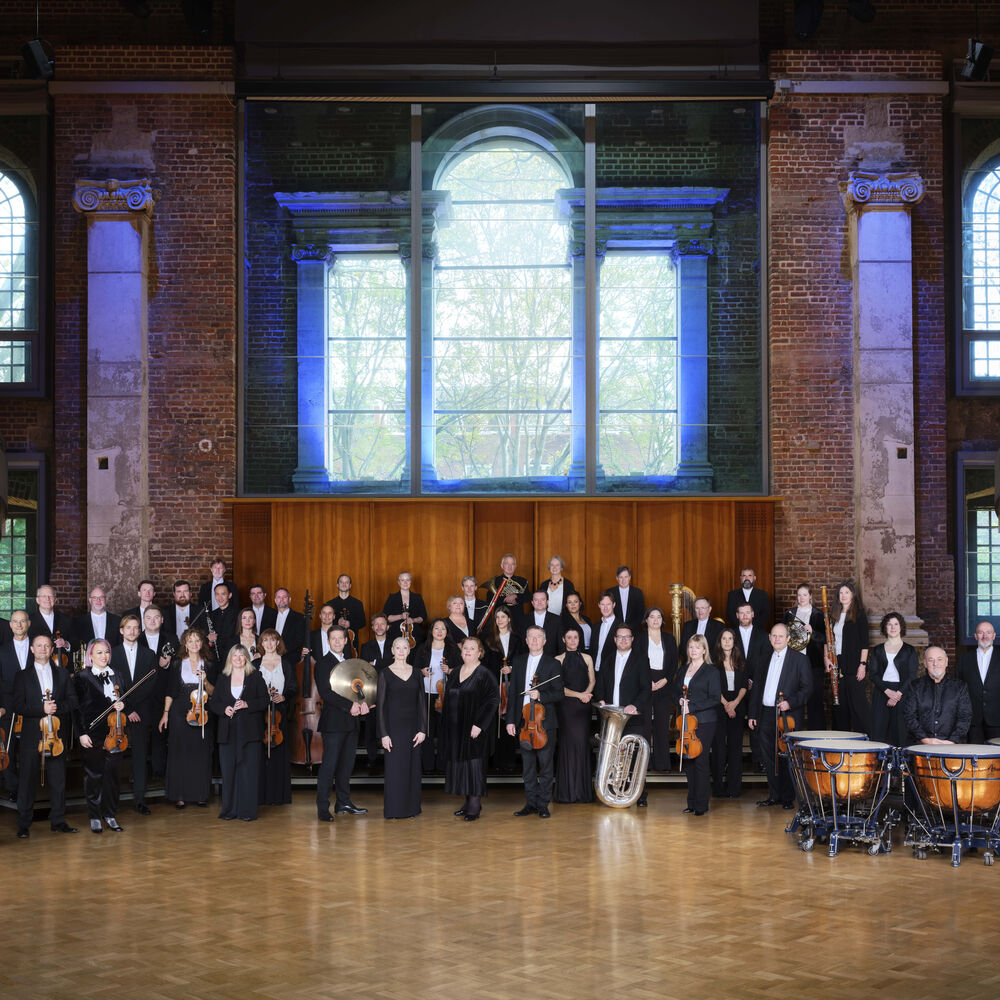
London Symphony Orchestra
۴۴۷٫۹ هزار طرفدار
جدیدترینها
Die Schöpfung, Hob.XXI:2, Part I: No. 1, Einleitung. Die Vorstellung des Chaos
Die Schöpfung, Hob.XXI:2, Part I: No. 2, Im Anfange schuf Gott Himmel und Erde
The Hebrides, Op. 26, MWV P7 "Fingal's Cave"
Symphony No. 3 in A Minor, Op. 56, MWV N 18 "Scottish": I. Andante con moto – Allegro un poco agitato – Assai animato – Andante co

A Sea Symphony "Symphony No. 1": Ia. A Song For All Seas, All Ships. Moderato maestoso: Behold, The Sea Itself
آخرین انتشارها
Haydn: Die Schöpfung, Hob.XXI:2
آخرین انتشار • آلبوم
Mendelssohn: Symphonies Nos. 3 'Scottish' & 4 'Italian'; Hebrides Overture
۲۰۲۶ • آلبوم

Vaughan Williams: A Sea Symphony – Maconchy: Nocturne for Orchestra
۲۰۲۶ • آلبوم

Rossini: The Siege of Corinth (L'assedio di Corinto)
۲۰۲۶ • آلبوم


طرفداران اینها را هم گوش میدهند

Academy Of St Martin In The Fields
خواننده

Itzhak Perlman
خواننده

London Philharmonic Orchestra
خواننده

Antonio Vivaldi
خواننده

L'Orchestre National du Bolchoï
خواننده

Leonard Bernstein
خواننده

The City Of Prague Philharmonic Orchestra
خواننده

Los Angeles Philharmonic
خواننده

Camille Berthollet
خواننده

Takako Nishizaki
خواننده

Philharmonia Orchestra
خواننده

André Previn
خواننده
درباره
۴۴۷٬۹۴۶ طرفدار
۳۴۷ انتشار • فعال از ۲۰۱۴
The London Symphony Orchestra (LSO) is a British ensemble based in London. Founded in 1904, the LSO is the oldest of London's symphony orchestras. It was created by a group of players who left Henry Wood's Queen's Hall Orchestra because of a new rule requiring players to give the orchestra their exclusive services. The LSO itself later introduced a similar rule for its members. From the outset the LSO was organised on co-operative lines, with all players sharing the profits at the end of each season. This practice continued for the orchestra's first four decades. The LSO underwent periods of eclipse in the 1930s and 1950s when it was regarded as inferior in quality to new London orchestras, to which it lost players and bookings: the BBC Symphony Orchestra and the London Philharmonic Orchestra in the 1930s and the Philharmonia and Royal Philharmonic after the Second World War. The profit-sharing principle was abandoned in the post-war era as a condition of receiving public subsidy for the first time. In the 1950s the orchestra debated whether to concentrate on film work at the expense of symphony concerts; many senior players left when the majority of players rejected the idea. By the 1960s the LSO had recovered its leading position, which it has retained subsequently. In 1966, to perform alongside it in choral works, the orchestra established the LSO Chorus, originally a mix of professional and amateur singers, later a wholly amateur ensemble. As a self-governing body, the orchestra selects the conductors with whom it works. At some stages in its history it has dispensed with a principal conductor and worked only with guests. Among conductors with whom it is most associated are, in its early days, Hans Richter, Sir Edward Elgar, and Sir Thomas Beecham, and in more recent decades Pierre Monteux, André Previn, Claudio Abbado, Sir Colin Davis, Valery Gergiev and Sir Simon Rattle. Its current chief conductor is Sir Antonio Pappano.
ادامهی بیوگرافی
The London Symphony Orchestra (LSO) is a British ensemble based in London. Founded in 1904, the LSO is the oldest of London's symphony orchestras. It was created by a group of players who left Henry Wood's Queen's Hall Orchestra because of a new rule requiring players to give the orchestra their exclusive services. The LSO itself later introduced a similar rule for its members. From the outset the LSO was organised on co-operative lines, with all players sharing the profits at the end of each season. This practice continued for the orchestra's first four decades. The LSO underwent periods of eclipse in the 1930s and 1950s when it was regarded as inferior in quality to new London orchestras, to which it lost players and bookings: the BBC Symphony Orchestra and the London Philharmonic Orchestra in the 1930s and the Philharmonia and Royal Philharmonic after the Second World War. The profit-sharing principle was abandoned in the post-war era as a condition of receiving public subsidy for the first time. In the 1950s the orchestra debated whether to concentrate on film work at the expense of symphony concerts; many senior players left when the majority of players rejected the idea. By the 1960s the LSO had recovered its leading position, which it has retained subsequently. In 1966, to perform alongside it in choral works, the orchestra established the LSO Chorus, originally a mix of professional and amateur singers, later a wholly amateur ensemble. As a self-governing body, the orchestra selects the conductors with whom it works. At some stages in its history it has dispensed with a principal conductor and worked only with guests. Among conductors with whom it is most associated are, in its early days, Hans Richter, Sir Edward Elgar, and Sir Thomas Beecham, and in more recent decades Pierre Monteux, André Previn, Claudio Abbado, Sir Colin Davis, Valery Gergiev and Sir Simon Rattle. Its current chief conductor is Sir Antonio Pappano.
منبع: ویکیپدیا