3030


3030
۳۰۵٫۷ هزار طرفدار
جدیدترینها


آخرین انتشارها

Estrategista
آخرین انتشار • تکآهنگ

Estrategista (Remix)
۲۰۲۶ • تکآهنگ

Fé Em Mim
۲۰۲۶ • EP

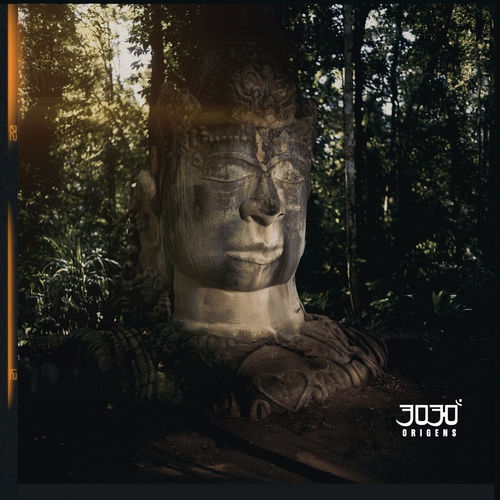
3030 Origens
۲۰۲۵ • EP





طرفداران اینها را هم گوش میدهند


درباره
۳۰۵٬۶۵۹ طرفدار
۱۰۴ انتشار • فعال از ۲۰۱۲
The .30-30 Winchester / 7.62×52mmR (officially named the .30 Winchester Center Fire or .30 WCF) cartridge was first marketed for the Winchester Model 1894 lever-action rifle in 1895. The .30-30 (pronounced "thirty-thirty"), as it is most commonly known, along with the .25-35 Winchester, was offered that year as the United States' first small-bore sporting rifle cartridges designed for smokeless powder. Since its introduction, it has been utilized alongside the development of flatter shooting cartridges, most prominently those derived from designs subsidized by interest in military expenditures (e.g., .303 British, .30-06, and 6.5x55 Swedish). The .30-30 has remained in widespread use almost entirely because of reliable effectiveness in civilian applications, particularly for hunting game animals. The .30-30 is by far the most common cartridge shot from lever action rifles. The .30-30 is substantially more powerful than the Magnum handgun cartridges (e.g., .357, .41, .44, etc.) also often paired with lever actions, and produces that energy with about 14% less recoil than .44 Magnum. While its old rival .35 Remington produces more muzzle energy and recoil, the .30-30 will often retain more terminal energy. The .30-30 is not commonly used for extreme long-range shooting across wide-open spaces, but modern innovations in ballistic tipped bullets for leverguns have moved the long-range capabilities of the .30-30 somewhat closer to parity with higher-velocity cartridges. In any case, a hunting-specific advantage of the .30-30 over those cartridges is that it leaves lower volumes of spoiled (destroyed or bloodshot) venison after a kill, leading to less waste.
ادامهی بیوگرافی
The .30-30 Winchester / 7.62×52mmR (officially named the .30 Winchester Center Fire or .30 WCF) cartridge was first marketed for the Winchester Model 1894 lever-action rifle in 1895. The .30-30 (pronounced "thirty-thirty"), as it is most commonly known, along with the .25-35 Winchester, was offered that year as the United States' first small-bore sporting rifle cartridges designed for smokeless powder. Since its introduction, it has been utilized alongside the development of flatter shooting cartridges, most prominently those derived from designs subsidized by interest in military expenditures (e.g., .303 British, .30-06, and 6.5x55 Swedish). The .30-30 has remained in widespread use almost entirely because of reliable effectiveness in civilian applications, particularly for hunting game animals. The .30-30 is by far the most common cartridge shot from lever action rifles. The .30-30 is substantially more powerful than the Magnum handgun cartridges (e.g., .357, .41, .44, etc.) also often paired with lever actions, and produces that energy with about 14% less recoil than .44 Magnum. While its old rival .35 Remington produces more muzzle energy and recoil, the .30-30 will often retain more terminal energy. The .30-30 is not commonly used for extreme long-range shooting across wide-open spaces, but modern innovations in ballistic tipped bullets for leverguns have moved the long-range capabilities of the .30-30 somewhat closer to parity with higher-velocity cartridges. In any case, a hunting-specific advantage of the .30-30 over those cartridges is that it leaves lower volumes of spoiled (destroyed or bloodshot) venison after a kill, leading to less waste.
منبع: ویکیپدیا