Лев Толстой


Лев Толстой
۲۰ طرفدار
جدیدترینها
Часть 01 - Хаджи-Мурат
Часть 02 - Хаджи-Мурат
Часть 01 - Прыжок
Часть 02 - Прыжок

Часть 01 - Лев и собачка
آخرین انتشارها
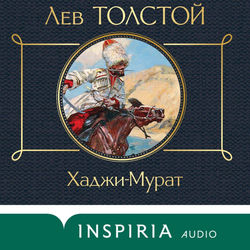
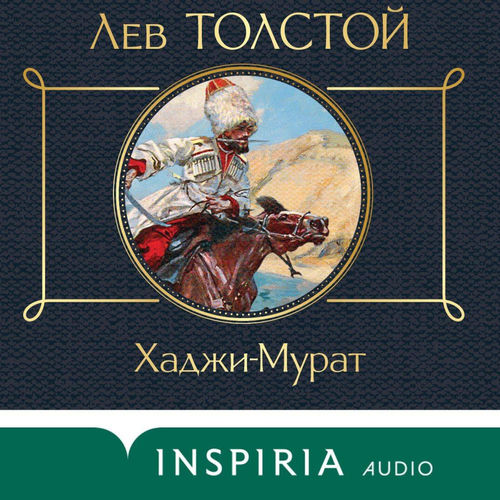
Хаджи-Мурат
آخرین انتشار • آلبوم
Прыжок
۲۰۲۶ • تکآهنگ

Лев и собачка
۲۰۲۶ • تکآهنگ

О жизни
۲۰۲۶ • آلبوم





درباره
۲۰ طرفدار
۳۹ انتشار • فعال از ۲۰۲۱
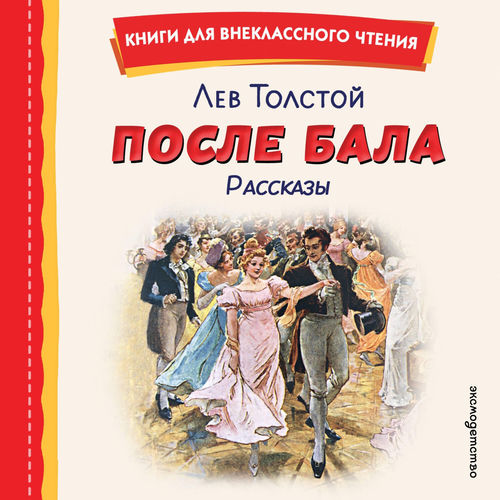
Count Lev Nikolayevich Tolstoy (; Russian: Лев Николаевич Толстой, IPA: [ˈlʲef nʲɪkɐˈla(j)ɪvʲɪtɕ tɐlˈstoj] ; 9 September [O.S. 28 August] 1828 – 20 November [O.S. 7 November] 1910), usually referred to in English as Leo Tolstoy, was a Russian writer. He is regarded as one of the greatest and most influential authors of all time. Born to an aristocratic family, Tolstoy achieved acclaim in his twenties with his semi-autobiographical trilogy, Childhood, Boyhood and Youth (1852–1856), and with Sevastopol Sketches (1855), based on his experiences in the Crimean War. War and Peace (1869), Anna Karenina (1878), and Resurrection (1899), which is based on his "youthful sins", are often cited as pinnacles of realist fiction and three of the greatest novels ever written. His oeuvre includes short stories such as "Alyosha the Pot" (1911) and "After the Ball" (1911) and novellas such as Family Happiness (1859), The Death of Ivan Ilyich (1886), The Kreutzer Sonata (1889), The Devil (1911), and Hadji Murat (1912). He also wrote plays and essays concerning philosophical, moral and religious themes. In the 1870s, Tolstoy experienced a profound moral crisis, followed by what he regarded as an equally profound spiritual awakening, as outlined in his non-fiction work Confession (1882). His literal interpretation of the ethical teachings of Jesus, centering on the Sermon on the Mount, caused him to become a fervent Christian anarchist and pacifist. His ideas on nonviolent resistance, expressed in such works as The Kingdom of God Is Within You (1894), had a profound impact on such pivotal 20th-century figures as Mahatma Gandhi, Ludwig Wittgenstein, Martin Luther King Jr., and James Bevel. He also became a dedicated advocate of Georgism, the economic philosophy of Henry George, which he incorporated into his writing, particularly in Resurrection. Tolstoy received praise from countless authors and critics, both during his lifetime and after.
ادامهی بیوگرافی
Count Lev Nikolayevich Tolstoy (; Russian: Лев Николаевич Толстой, IPA: [ˈlʲef nʲɪkɐˈla(j)ɪvʲɪtɕ tɐlˈstoj] ; 9 September [O.S. 28 August] 1828 – 20 November [O.S. 7 November] 1910), usually referred to in English as Leo Tolstoy, was a Russian writer. He is regarded as one of the greatest and most influential authors of all time. Born to an aristocratic family, Tolstoy achieved acclaim in his twenties with his semi-autobiographical trilogy, Childhood, Boyhood and Youth (1852–1856), and with Sevastopol Sketches (1855), based on his experiences in the Crimean War. War and Peace (1869), Anna Karenina (1878), and Resurrection (1899), which is based on his "youthful sins", are often cited as pinnacles of realist fiction and three of the greatest novels ever written. His oeuvre includes short stories such as "Alyosha the Pot" (1911) and "After the Ball" (1911) and novellas such as Family Happiness (1859), The Death of Ivan Ilyich (1886), The Kreutzer Sonata (1889), The Devil (1911), and Hadji Murat (1912). He also wrote plays and essays concerning philosophical, moral and religious themes. In the 1870s, Tolstoy experienced a profound moral crisis, followed by what he regarded as an equally profound spiritual awakening, as outlined in his non-fiction work Confession (1882). His literal interpretation of the ethical teachings of Jesus, centering on the Sermon on the Mount, caused him to become a fervent Christian anarchist and pacifist. His ideas on nonviolent resistance, expressed in such works as The Kingdom of God Is Within You (1894), had a profound impact on such pivotal 20th-century figures as Mahatma Gandhi, Ludwig Wittgenstein, Martin Luther King Jr., and James Bevel. He also became a dedicated advocate of Georgism, the economic philosophy of Henry George, which he incorporated into his writing, particularly in Resurrection. Tolstoy received praise from countless authors and critics, both during his lifetime and after.
منبع: ویکیپدیا