Accentus

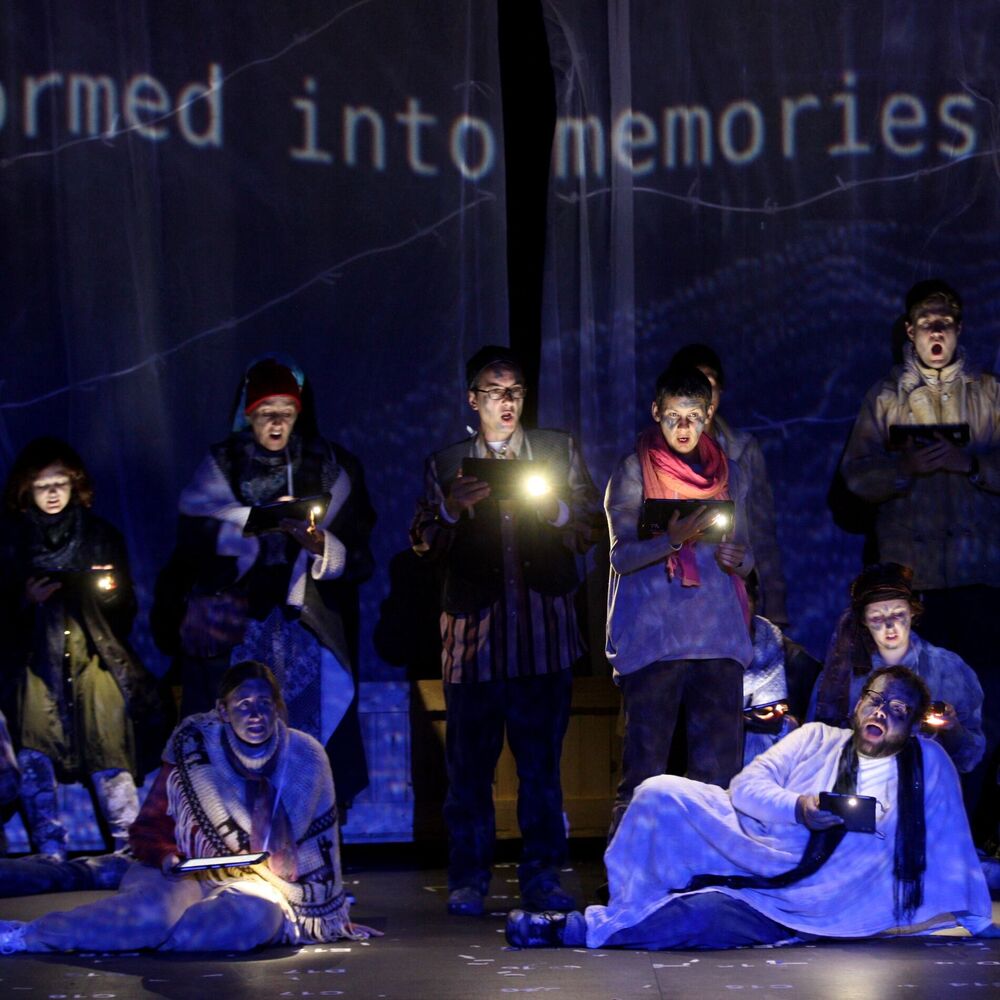
Accentus
۴٫۲ هزار طرفدار
جدیدترینها

Beethoven: König Stephan, Op. 117: Ouverture
Beethoven: König Stephan, Op. 117: No. 1, Chor. "Ruhend von seinen Taten"
Beethoven: König Stephan, Op. 117: No. 4, Chor der Frauen. "Wo die Unschuld Blumen streute"
Beethoven: Die Ruinen von Athen, Op. 113: No. 4, Marcia alla turca

Romance du soir, Op. 118
آخرین انتشارها

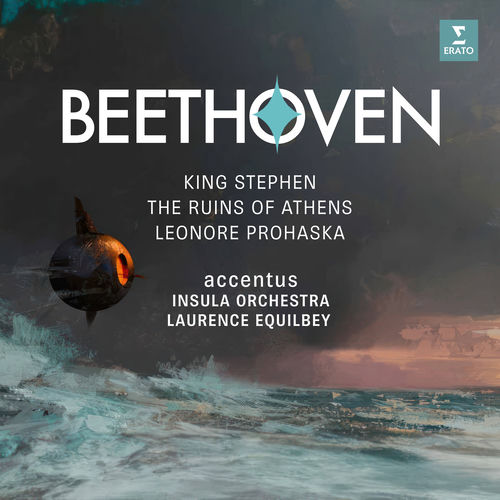
Beethoven: King Stephan, The Ruins of Athens & Leonore Prohaska
آخرین انتشار • آلبوم
Beethoven: König Stephan, Op. 117: No. 4, Chor der Frauen. "Wo die Unschuld Blumen streute"
۲۰۲۵ • تکآهنگ

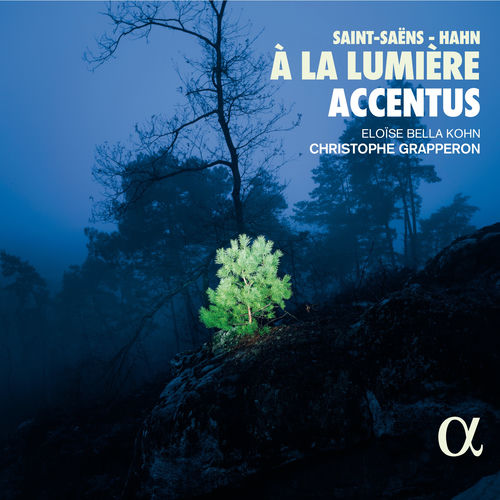
Saint-Saëns - Hahn: À la lumière
۲۰۲۲ • آلبوم

Camille Saint-Saëns: Le Timbre d'argent
۲۰۲۰ • آلبوم


طرفداران اینها را هم گوش میدهند

Philippe Jaroussky
خواننده

Andreas Scholl
خواننده

Nathalie Stutzmann
خواننده

Jakub Józef Orliński
خواننده

Glenn Gould
خواننده

Lise Berthaud
خواننده

Ragin Derek Lee
خواننده

Cecilia Bartoli
خواننده

Sabine Devieilhe
خواننده

Ensemble Mensa Sonora
خواننده

Roberto Forés Veses
خواننده

Miriam Feuersinger
خواننده
درباره
۴٬۲۱۶ طرفدار
۴۳ انتشار • فعال از ۱۹۹۸
Accentus (or Accentus Ecclesiasticus; Ecclesiastical accent) is a style of church music that emphasizes spoken word. It is often contrasted with concentus, an alternative style that emphasizes harmony. The terms accentus and concentus were probably introduced by Andreas Ornithoparchus in his Musicae Activae Micrologus, published in Leipzig in 1517. "Concentus might be chief ruler over all things that are sung...and Accentus over all things that are read," according to Ornithoparchus. The style is also known as liturgical recitative, though it differs in some important ways from other types of recitative. In the medieval church, the whole portion of the liturgical song performed by the choir (or by sections of it) was called concentus; thus hymns, psalms, mass ordinary, and alleluias were usually included under this term, as well as anything with more complex or distinctive melodic contours. On the other hand, parts of the liturgy which the priest, deacon, subdeacon, or acolyte sang alone were called accentus; this included the collects, epistle and gospel, the preface, and anything which was recited chiefly on one tone, rather than sung, by the priest or one of his assistants. The accentus should not be accompanied by harmonies, whether of voices or of instruments, although the concentus may receive such accompaniment. The intoning words Gloria in excelsis Deo and Credo in Unum Deum, being assigned to the celebrant alone, should not be repeated by the choir or accompanied by the organ or other musical instrument. There were originally seven types of Accentus Ecclesiasticus, depending on how the voice should be inflected at the punctuation marks ending phrases or sentences: Accentus immutabilis – voice remains at the same tone Accentus medus – voice falls by a third at a colon Accentus gravis – voice falls by a fifth at a period Accentus actus – voice falls by a third and returns to the original tone at a comma
ادامهی بیوگرافی
Accentus (or Accentus Ecclesiasticus; Ecclesiastical accent) is a style of church music that emphasizes spoken word. It is often contrasted with concentus, an alternative style that emphasizes harmony. The terms accentus and concentus were probably introduced by Andreas Ornithoparchus in his Musicae Activae Micrologus, published in Leipzig in 1517. "Concentus might be chief ruler over all things that are sung...and Accentus over all things that are read," according to Ornithoparchus. The style is also known as liturgical recitative, though it differs in some important ways from other types of recitative. In the medieval church, the whole portion of the liturgical song performed by the choir (or by sections of it) was called concentus; thus hymns, psalms, mass ordinary, and alleluias were usually included under this term, as well as anything with more complex or distinctive melodic contours. On the other hand, parts of the liturgy which the priest, deacon, subdeacon, or acolyte sang alone were called accentus; this included the collects, epistle and gospel, the preface, and anything which was recited chiefly on one tone, rather than sung, by the priest or one of his assistants. The accentus should not be accompanied by harmonies, whether of voices or of instruments, although the concentus may receive such accompaniment. The intoning words Gloria in excelsis Deo and Credo in Unum Deum, being assigned to the celebrant alone, should not be repeated by the choir or accompanied by the organ or other musical instrument. There were originally seven types of Accentus Ecclesiasticus, depending on how the voice should be inflected at the punctuation marks ending phrases or sentences: Accentus immutabilis – voice remains at the same tone Accentus medus – voice falls by a third at a colon Accentus gravis – voice falls by a fifth at a period Accentus actus – voice falls by a third and returns to the original tone at a comma
منبع: ویکیپدیا