Albert Ayler


Albert Ayler
۳٫۶ هزار طرفدار
جدیدترینها

I'll Remember April
Rollins Tune

Softly as in a Morning Sunrise
I Didn't Know What Time It Was
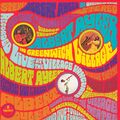
For John Coltrane (Live At The Village Theatre/1967)
آخرین انتشارها

The First Recordings Vol. 1
آخرین انتشار • آلبوم

The First Recordings Vol. 2
۲۰۲۲ • آلبوم
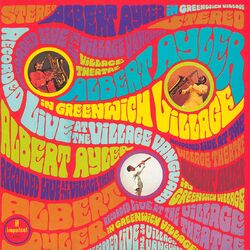
In Greenwich Village
۲۰۲۱ • آلبوم

Music Is the Healing Force of the Universe
۲۰۱۸ • آلبوم


طرفداران اینها را هم گوش میدهند


درباره
۳٬۶۳۵ طرفدار
۲۰ انتشار • فعال از ۱۹۹۱
Albert Ayler (; July 13, 1936 – November 25, 1970) was an American avant-garde jazz saxophonist and composer. After early experience playing rhythm and blues and bebop, Ayler began recording music during the free jazz era of the 1960s. However, some critics argue that while Ayler's style is undeniably original and unorthodox, it does not adhere to the generally accepted critical understanding of free jazz. In fact, Ayler's style is difficult to categorize, and it evoked incredibly strong and disparate reactions from critics and fans alike. His innovations have inspired many subsequent jazz musicians. His trio and quartet records of 1964, such as Spiritual Unity and The Hilversum Session, show him advancing the improvisational notions of John Coltrane and Ornette Coleman into abstract realms where whole timbre, and not just mainly harmony with melody, is the music's backbone. His ecstatic music of 1965 and 1966, such as "Spirits Rejoice" and "Truth Is Marching In", has been compared by critics to the sound of a brass band, and involved simple, march-like themes which alternated with wild group improvisations and were regarded as retrieving jazz's pre-Louis Armstrong roots.
ادامهی بیوگرافی
Albert Ayler (; July 13, 1936 – November 25, 1970) was an American avant-garde jazz saxophonist and composer. After early experience playing rhythm and blues and bebop, Ayler began recording music during the free jazz era of the 1960s. However, some critics argue that while Ayler's style is undeniably original and unorthodox, it does not adhere to the generally accepted critical understanding of free jazz. In fact, Ayler's style is difficult to categorize, and it evoked incredibly strong and disparate reactions from critics and fans alike. His innovations have inspired many subsequent jazz musicians. His trio and quartet records of 1964, such as Spiritual Unity and The Hilversum Session, show him advancing the improvisational notions of John Coltrane and Ornette Coleman into abstract realms where whole timbre, and not just mainly harmony with melody, is the music's backbone. His ecstatic music of 1965 and 1966, such as "Spirits Rejoice" and "Truth Is Marching In", has been compared by critics to the sound of a brass band, and involved simple, march-like themes which alternated with wild group improvisations and were regarded as retrieving jazz's pre-Louis Armstrong roots.
منبع: ویکیپدیا