Anubis


Anubis
۱٫۷ هزار طرفدار
جدیدترینها

olt hip hop i
olt hip hop h

Oriental Magic (Techno)

Shadow of Osiris
Awakening of Duat
آخرین انتشارها

Stimme der Nacht
آخرین انتشار • آلبوم

Oriental Magic (Techno)
۲۰۲۶ • تکآهنگ

Shadows of Anubis
۲۰۲۶ • آلبوم

Eternal Monarch Cleopatra
۲۰۲۶ • تکآهنگ




طرفداران اینها را هم گوش میدهند


درباره
۱٬۷۰۲ طرفدار
۱۳۳ انتشار • فعال از ۲۰۰۰
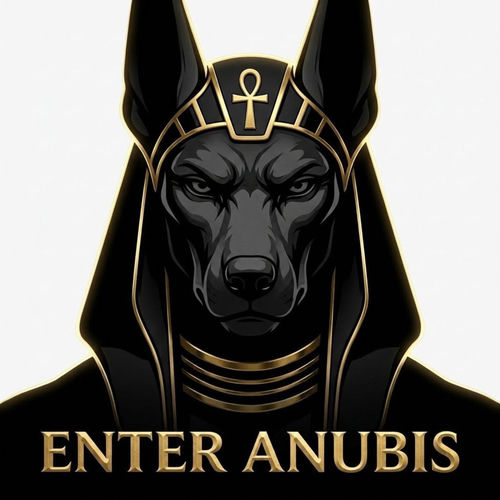
Anubis ( ; Ancient Greek: Ἄνουβις), also known as Inpu, Inpw, Jnpw, or Anpu in Ancient Egyptian (Coptic: ⲁⲛⲟⲩⲡ, romanized: Anoup), is the god of funerary rites, protector of graves, and guide to the underworld in ancient Egyptian religion, usually depicted as a canine or a man with a canine head. Like many ancient Egyptian deities, Anubis assumed different roles in various contexts. Depicted as a protector of graves as early as the First Dynasty (c. 3100 – c. 2890 BC), Anubis was also an embalmer. By the Middle Kingdom (c. 2055–1650 BC) he was replaced by Osiris in his role as lord of the underworld. One of his prominent roles was as a god who ushered souls into the afterlife. He attended the weighing scale during the "Weighing of the Heart", in which it was determined whether a soul would be allowed to enter the realm of the dead. Anubis is one of the most frequently depicted and mentioned gods in the Egyptian pantheon; however, few major myths involved him. Anubis was depicted in black, a color that symbolized regeneration, life, the soil of the Nile River, and the discoloration of the corpse after embalming. Anubis is associated with Wepwawet, another Egyptian god portrayed with a dog's head or in canine form, but with grey or white fur. Historians assume that the two figures were eventually combined. Anubis's female counterpart is Anput. His daughter is the serpent goddess Kebechet.
ادامهی بیوگرافی
Anubis ( ; Ancient Greek: Ἄνουβις), also known as Inpu, Inpw, Jnpw, or Anpu in Ancient Egyptian (Coptic: ⲁⲛⲟⲩⲡ, romanized: Anoup), is the god of funerary rites, protector of graves, and guide to the underworld in ancient Egyptian religion, usually depicted as a canine or a man with a canine head. Like many ancient Egyptian deities, Anubis assumed different roles in various contexts. Depicted as a protector of graves as early as the First Dynasty (c. 3100 – c. 2890 BC), Anubis was also an embalmer. By the Middle Kingdom (c. 2055–1650 BC) he was replaced by Osiris in his role as lord of the underworld. One of his prominent roles was as a god who ushered souls into the afterlife. He attended the weighing scale during the "Weighing of the Heart", in which it was determined whether a soul would be allowed to enter the realm of the dead. Anubis is one of the most frequently depicted and mentioned gods in the Egyptian pantheon; however, few major myths involved him. Anubis was depicted in black, a color that symbolized regeneration, life, the soil of the Nile River, and the discoloration of the corpse after embalming. Anubis is associated with Wepwawet, another Egyptian god portrayed with a dog's head or in canine form, but with grey or white fur. Historians assume that the two figures were eventually combined. Anubis's female counterpart is Anput. His daughter is the serpent goddess Kebechet.
منبع: ویکیپدیا