Asarhaddon


Asarhaddon
۳۴۷ طرفدار
جدیدترینها
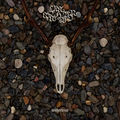
Witherloup (feat. Floor Vandenbrande, Frederic Ruckert & Florian Ehrenberg)

Der silberne Mond
Im tiefen Wald

Nimmermehr
Für immer
آخرین انتشارها

Witherloup (feat. Floor Vandenbrande, Frederic Ruckert & Florian Ehrenberg)
آخرین انتشار • تکآهنگ
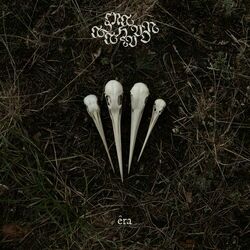
Êra
۲۰۲۴ • آلبوم
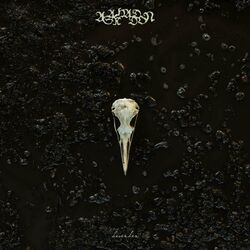
Besenken
۲۰۲۴ • EP
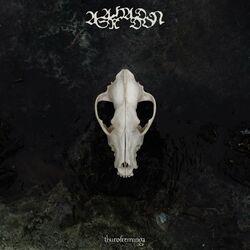
Thurofreminga
۲۰۲۲ • EP


طرفداران اینها را هم گوش میدهند


درباره
۳۴۷ طرفدار
۹ انتشار • فعال از ۲۰۲۰
Esarhaddon, also spelled Essarhaddon, Assarhaddon and Ashurhaddon (Neo-Assyrian Akkadian: 𒀭𒊹𒉽𒀸, also 𒀭𒊹𒉽𒋧𒈾 Aššur-aḫa-iddina, meaning "Ashur has given me a brother"; Biblical Hebrew: אֵסַר־חַדֹּן ʾĒsar-Ḥaddōn) was the king of the Neo-Assyrian Empire from 681 to 669 BC. The third king of the Sargonid dynasty, Esarhaddon is most famous for his conquest of Egypt in 671 BC, which made his empire the largest the world had ever seen, and for his reconstruction of Babylon, which had been destroyed by his father. After Sennacherib's eldest son and heir Aššur-nādin-šumi had been captured and presumably executed in 694, the new heir had originally been the second eldest son, Arda-Mulissu, but in 684, Esarhaddon, a younger son, was appointed instead. Angered by this decision, Arda-Mulissu and another brother, Nabû-šarru-uṣur, murdered their father in 681 and planned to seize the Neo-Assyrian throne. The murder, and Arda-Mulissu's aspirations of becoming king himself, made Esarhaddon's rise to the throne difficult, and he first had to defeat his brothers in a six-week-long civil war. His brothers' attempted coup had been unexpected and troublesome for Esarhaddon, and he would be plagued by paranoia and mistrust for his officials, governors and male family members until the end of his reign. As a result of this paranoia, most of the palaces used by Esarhaddon were high-security fortifications located outside of the major population centers of the cities. Also perhaps resulting from his mistrust for his male relatives, Esarhaddon's female relatives, such as his mother Naqiʾa and his daughter Šērūʾa-ēṭirat, were allowed to wield considerably more influence and political power during his reign than women had been allowed in any previous period of Assyrian history, with the possible exception of Sammuramat in the 9th century BC.
ادامهی بیوگرافی
Esarhaddon, also spelled Essarhaddon, Assarhaddon and Ashurhaddon (Neo-Assyrian Akkadian: 𒀭𒊹𒉽𒀸, also 𒀭𒊹𒉽𒋧𒈾 Aššur-aḫa-iddina, meaning "Ashur has given me a brother"; Biblical Hebrew: אֵסַר־חַדֹּן ʾĒsar-Ḥaddōn) was the king of the Neo-Assyrian Empire from 681 to 669 BC. The third king of the Sargonid dynasty, Esarhaddon is most famous for his conquest of Egypt in 671 BC, which made his empire the largest the world had ever seen, and for his reconstruction of Babylon, which had been destroyed by his father. After Sennacherib's eldest son and heir Aššur-nādin-šumi had been captured and presumably executed in 694, the new heir had originally been the second eldest son, Arda-Mulissu, but in 684, Esarhaddon, a younger son, was appointed instead. Angered by this decision, Arda-Mulissu and another brother, Nabû-šarru-uṣur, murdered their father in 681 and planned to seize the Neo-Assyrian throne. The murder, and Arda-Mulissu's aspirations of becoming king himself, made Esarhaddon's rise to the throne difficult, and he first had to defeat his brothers in a six-week-long civil war. His brothers' attempted coup had been unexpected and troublesome for Esarhaddon, and he would be plagued by paranoia and mistrust for his officials, governors and male family members until the end of his reign. As a result of this paranoia, most of the palaces used by Esarhaddon were high-security fortifications located outside of the major population centers of the cities. Also perhaps resulting from his mistrust for his male relatives, Esarhaddon's female relatives, such as his mother Naqiʾa and his daughter Šērūʾa-ēṭirat, were allowed to wield considerably more influence and political power during his reign than women had been allowed in any previous period of Assyrian history, with the possible exception of Sammuramat in the 9th century BC.
منبع: ویکیپدیا