Burning


Burning
۲٫۸ هزار طرفدار
جدیدترینها

No pares de gritar (En directo - 50 Aniversario)
Es decisión (En directo - 50 Aniversario)
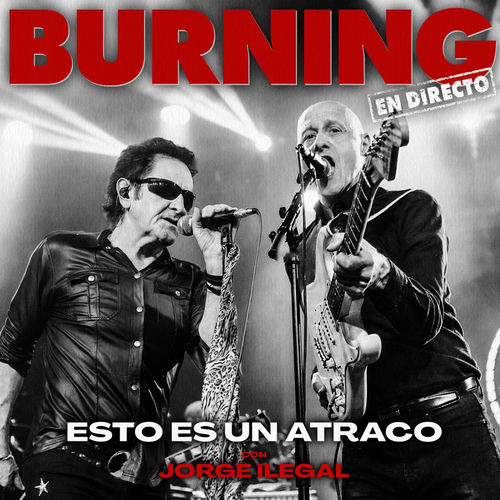
Esto es un atraco (feat. Ilegales) (En directo - 50 Aniversario)

Qué hace una chica como tú en un sitio como este (feat. Coque Malla) (En directo - 50 Aniversario)
Day dreamer
آخرین انتشارها

En directo - 50 Aniversario
آخرین انتشار • آلبوم
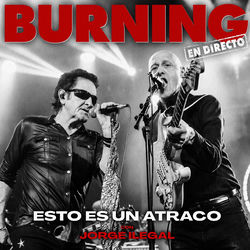
Esto es un atraco (feat. Ilegales) (En directo - 50 Aniversario)
۲۰۲۶ • تکآهنگ

Qué hace una chica como tú en un sitio como este (feat. Coque Malla) (En directo - 50 Aniversario)
۲۰۲۶ • تکآهنگ
Day dreamer
۲۰۲۶ • تکآهنگ




طرفداران اینها را هم گوش میدهند


درباره
۲٬۷۷۱ طرفدار
۴۹ انتشار • فعال از ۱۹۷۹
Combustion, or burning, is a high-temperature exothermic redox chemical reaction between a fuel (the reductant) and an oxidant, usually atmospheric oxygen, that produces oxidized, often gaseous products, in a mixture termed as smoke. Combustion does not always result in fire, because a flame is only visible when substances undergoing combustion vaporize, but when it does, a flame is a characteristic indicator of the reaction. While activation energy must be supplied to initiate combustion (e.g., using a lit match to light a fire), the heat from a flame may provide enough energy to make the reaction self-sustaining. The study of combustion is known as combustion science. Combustion is often a complicated sequence of elementary radical reactions. Solid fuels, such as wood and coal, first undergo endothermic pyrolysis to produce gaseous fuels whose combustion then supplies the heat required to produce more of them. Combustion is often hot enough that incandescent light in the form of either glowing or a flame is produced. A simple example can be seen in the combustion of hydrogen and oxygen into water vapor, a reaction which is commonly used to fuel rocket engines. This reaction releases 242 kJ/mol of heat and reduces the enthalpy accordingly (at constant temperature and pressure): 2 H 2 ( g ) + O 2 ( g ) → 2 H 2 O ↑
ادامهی بیوگرافی
Combustion, or burning, is a high-temperature exothermic redox chemical reaction between a fuel (the reductant) and an oxidant, usually atmospheric oxygen, that produces oxidized, often gaseous products, in a mixture termed as smoke. Combustion does not always result in fire, because a flame is only visible when substances undergoing combustion vaporize, but when it does, a flame is a characteristic indicator of the reaction. While activation energy must be supplied to initiate combustion (e.g., using a lit match to light a fire), the heat from a flame may provide enough energy to make the reaction self-sustaining. The study of combustion is known as combustion science. Combustion is often a complicated sequence of elementary radical reactions. Solid fuels, such as wood and coal, first undergo endothermic pyrolysis to produce gaseous fuels whose combustion then supplies the heat required to produce more of them. Combustion is often hot enough that incandescent light in the form of either glowing or a flame is produced. A simple example can be seen in the combustion of hydrogen and oxygen into water vapor, a reaction which is commonly used to fuel rocket engines. This reaction releases 242 kJ/mol of heat and reduces the enthalpy accordingly (at constant temperature and pressure): 2 H 2 ( g ) + O 2 ( g ) → 2 H 2 O ↑
منبع: ویکیپدیا