Catatonia


Catatonia
۵٫۶ هزار طرفدار
جدیدترینها


آخرین انتشارها

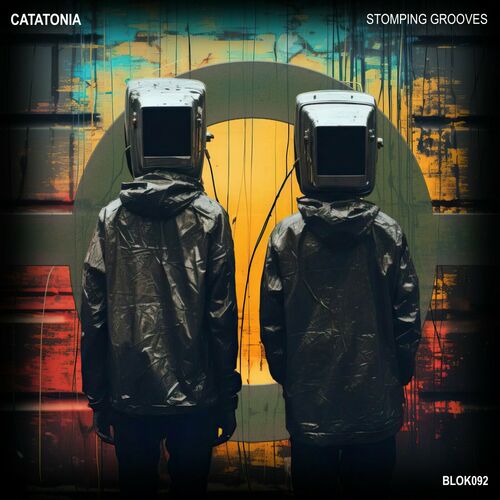
Stomping Grooves EP
آخرین انتشار • EP

Make Hay Not War: The Blanco Y Negro Years
۲۰۲۳ • آلبوم

Road Rage (Ghia)
۲۰۱۹ • تکآهنگ

1993 / 1994
۲۰۱۳ • آلبوم


طرفداران اینها را هم گوش میدهند


درباره
۵٬۵۸۳ طرفدار
۱۵ انتشار • فعال از ۱۹۹۳
Catatonia were a Welsh alternative rock band who gained popularity in the mid-to-late 1990s. The band formed in 1992 after Mark Roberts met Cerys Matthews. The first major lineup featured Dafydd Ieuan of Super Furry Animals on drums, Paul Jones on bass, and Clancy Pegg on keyboards. With this line-up the band recorded two EPs, For Tinkerbell and Hooked. Pegg was fired prior to work on their first studio album, Way Beyond Blue, and during the recording of the album the band was joined by drummer Aled Richards, replacing Ieuan, who left to focus full-time on Super Furry Animals. During the live promotional appearances for the album the band was joined by guitarist Owen Powell. This latest incarnation of the band lasted until its dissolution in 2001. The single "You've Got a Lot to Answer For" received radio airplay and became the band's first top 40 single in the UK Singles Chart in September 1996. Their breakout success came at the start of 1998 with the International Velvet album and the release of the single "Mulder and Scully" some two weeks apart. The album went to number one in the UK Albums Chart, and sold more than 900,000 copies being certified triple platinum by the British Phonographic Industry, while the single reached number 3 in the UK Singles Chart, the highest any Catatonia single would chart. The follow-up release, "Road Rage", reached number 5 in May, and was nominated for best song at the Brit Awards and the Ivor Novello Awards, winning at the Q Awards. The title track of the album International Velvet received additional attention, and the band performed it at the opening of the opening ceremony of the 1999 Rugby World Cup on 1 October in the Millennium Stadium in Cardiff. While in Catatonia, Matthews collaborated with Space on "The Ballad of Tom Jones" in March 1998 and with Tom Jones on a cover of "Baby, It's Cold Outside" in December 1999.
ادامهی بیوگرافی
Catatonia were a Welsh alternative rock band who gained popularity in the mid-to-late 1990s. The band formed in 1992 after Mark Roberts met Cerys Matthews. The first major lineup featured Dafydd Ieuan of Super Furry Animals on drums, Paul Jones on bass, and Clancy Pegg on keyboards. With this line-up the band recorded two EPs, For Tinkerbell and Hooked. Pegg was fired prior to work on their first studio album, Way Beyond Blue, and during the recording of the album the band was joined by drummer Aled Richards, replacing Ieuan, who left to focus full-time on Super Furry Animals. During the live promotional appearances for the album the band was joined by guitarist Owen Powell. This latest incarnation of the band lasted until its dissolution in 2001. The single "You've Got a Lot to Answer For" received radio airplay and became the band's first top 40 single in the UK Singles Chart in September 1996. Their breakout success came at the start of 1998 with the International Velvet album and the release of the single "Mulder and Scully" some two weeks apart. The album went to number one in the UK Albums Chart, and sold more than 900,000 copies being certified triple platinum by the British Phonographic Industry, while the single reached number 3 in the UK Singles Chart, the highest any Catatonia single would chart. The follow-up release, "Road Rage", reached number 5 in May, and was nominated for best song at the Brit Awards and the Ivor Novello Awards, winning at the Q Awards. The title track of the album International Velvet received additional attention, and the band performed it at the opening of the opening ceremony of the 1999 Rugby World Cup on 1 October in the Millennium Stadium in Cardiff. While in Catatonia, Matthews collaborated with Space on "The Ballad of Tom Jones" in March 1998 and with Tom Jones on a cover of "Baby, It's Cold Outside" in December 1999.
منبع: ویکیپدیا