Christoph Willibald Gluck

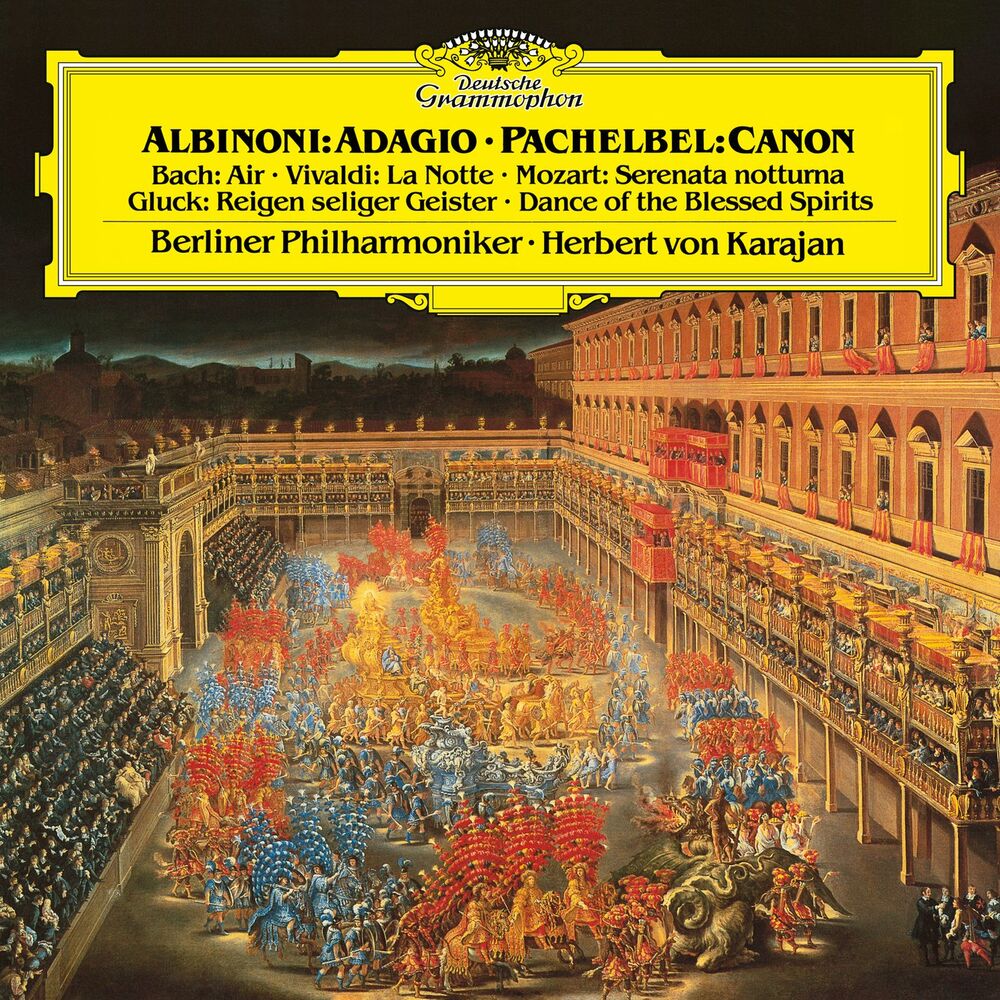
Christoph Willibald Gluck
۲ هزار طرفدار
جدیدترینها
Swan Lake, Op. 20a, Act II By a Lake: No. 10, Scene. Moderato
Sylvia-Suite: Nr. 3, Pizzicato

Orfeo ed Euridice, Wq. 30: Act II: Dance of the Blessed Spirits 'Melody' (Arr. Sgambati for Piano)
Nocturne in E-Flat Major, Op. 9 No. 2
16 Waltzes, Op. 39: No. 15 in A-Flat Major
آخرین انتشارها

The Essential Slovak Philharmonic Orchestra
آخرین انتشار • آلبوم

Orfeo ed Euridice, Wq. 30: Act II: Dance of the Blessed Spirits 'Melody' (Arr. Sgambati for Piano)
۲۰۲۵ • تکآهنگ

The Essential İdil Biret
۲۰۲۵ • آلبوم

Gluck: Alceste
۲۰۲۵ • آلبوم


طرفداران اینها را هم گوش میدهند

Ludwig van Beethoven
خواننده

Wolfgang Amadeus Mozart
خواننده

Joseph Haydn
خواننده

Pyotr Ilyich Tchaikovsky
خواننده

Felix Mendelssohn
خواننده

Franz Liszt
خواننده

Modest Mussorgsky
خواننده

Sergei Rachmaninov
خواننده

Giuseppe Verdi
خواننده

Gioachino Rossini
خواننده

Camille Saint-Saëns
خواننده

César Franck
خواننده
درباره
۱٬۹۶۷ طرفدار
۳۴ انتشار • فعال از ۲۰۰۰
Christoph Willibald Ritter von Gluck (; German: [ˈkʁɪstɔf ˈvɪlɪbalt ˈɡlʊk]; 2 July 1714 – 15 November 1787) was a composer of Italian and French opera in the early classical period. Born in the Upper Palatinate and raised in Bohemia, both part of the Holy Roman Empire at the time, he gained prominence at the Habsburg court in Vienna. There he brought about the practical reform of opera's dramaturgical practices for which many intellectuals had been campaigning. With a series of radical new works in the 1760s, among them Orfeo ed Euridice and Alceste, he broke the stranglehold that Metastasian opera seria had enjoyed for much of the century. Gluck introduced more drama by using orchestral recitative and cutting the usually long da capo aria. His later operas have half the length of a typical baroque opera. The strong influence of French opera encouraged Gluck to move to Paris in November 1773. Fusing the traditions of Italian opera and the French (with rich chorus) into a unique synthesis, Gluck wrote eight operas for the Parisian stage. Iphigénie en Tauride (1779) was a great success and is often considered to be his finest work. Though he was extremely popular and widely credited with bringing about a revolution in French opera, Gluck's mastery of the Parisian operatic scene was never absolute. After the poor reception of his Echo et Narcisse (1779), he left Paris in disgust and returned to Vienna to live out the remainder of his life.
ادامهی بیوگرافی
Christoph Willibald Ritter von Gluck (; German: [ˈkʁɪstɔf ˈvɪlɪbalt ˈɡlʊk]; 2 July 1714 – 15 November 1787) was a composer of Italian and French opera in the early classical period. Born in the Upper Palatinate and raised in Bohemia, both part of the Holy Roman Empire at the time, he gained prominence at the Habsburg court in Vienna. There he brought about the practical reform of opera's dramaturgical practices for which many intellectuals had been campaigning. With a series of radical new works in the 1760s, among them Orfeo ed Euridice and Alceste, he broke the stranglehold that Metastasian opera seria had enjoyed for much of the century. Gluck introduced more drama by using orchestral recitative and cutting the usually long da capo aria. His later operas have half the length of a typical baroque opera. The strong influence of French opera encouraged Gluck to move to Paris in November 1773. Fusing the traditions of Italian opera and the French (with rich chorus) into a unique synthesis, Gluck wrote eight operas for the Parisian stage. Iphigénie en Tauride (1779) was a great success and is often considered to be his finest work. Though he was extremely popular and widely credited with bringing about a revolution in French opera, Gluck's mastery of the Parisian operatic scene was never absolute. After the poor reception of his Echo et Narcisse (1779), he left Paris in disgust and returned to Vienna to live out the remainder of his life.
منبع: ویکیپدیا