Dansu


Dansu
۲ هزار طرفدار
جدیدترینها



آخرین انتشارها

Desértico
آخرین انتشار • تکآهنگ
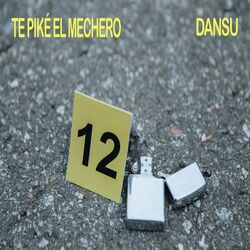
Te piké el mechero
۲۰۲۲ • تکآهنگ

Bez0ya
۲۰۲۰ • تکآهنگ

Luces Apagadas (feat. Vicky)
۲۰۲۰ • تکآهنگ










طرفداران اینها را هم گوش میدهند


درباره
۲٬۰۲۷ طرفدار
۱۲ انتشار • فعال از ۲۰۱۶
Tansu (箪笥) are traditional Japanese mobile storage cabinets. Tansu are commonly used for the storage of clothing, particularly kimono. Tansu were first recorded in the Genroku era (1688–1704) of the Edo period (1603–1867). The two characters, tan (箪) and su (笥), appear to have initially represented objects with separate functions: the storage of food and the carrying of firewood. Since the radical for bamboo (竹) appears in each of these characters, it may be surmised that bamboo, and not wood, was the original material used in tansu. As tansu gradually became a feature of Japanese culture and daily life, both hard and softwoods were used by tansuya (tansu craftsmen), often in combination for a single chest. Woods commonly used in tansu included keyaki (Zelkova serrata (elm)), kuri (Japanese chestnut), ezo matsu (pine), sugi (Cryptomeria (cedar)), kiri (Paulownia tomentosa) and hinoki (Chamaecyparis obtusa (cypress)). Tansu are collectable, and many collectors focus on finding genuine antique tansu. There are just a few workshops who produce tansu in imitation of the classic antiques, due to the high cost of materials and the very low prices of second-hand tansu. Larger chests are sometimes reduced in size, particularly futon chests, step chests and other chests with deep drawers. Some reproduction tansu have been made in Korea using elm veneer.
ادامهی بیوگرافی
Tansu (箪笥) are traditional Japanese mobile storage cabinets. Tansu are commonly used for the storage of clothing, particularly kimono. Tansu were first recorded in the Genroku era (1688–1704) of the Edo period (1603–1867). The two characters, tan (箪) and su (笥), appear to have initially represented objects with separate functions: the storage of food and the carrying of firewood. Since the radical for bamboo (竹) appears in each of these characters, it may be surmised that bamboo, and not wood, was the original material used in tansu. As tansu gradually became a feature of Japanese culture and daily life, both hard and softwoods were used by tansuya (tansu craftsmen), often in combination for a single chest. Woods commonly used in tansu included keyaki (Zelkova serrata (elm)), kuri (Japanese chestnut), ezo matsu (pine), sugi (Cryptomeria (cedar)), kiri (Paulownia tomentosa) and hinoki (Chamaecyparis obtusa (cypress)). Tansu are collectable, and many collectors focus on finding genuine antique tansu. There are just a few workshops who produce tansu in imitation of the classic antiques, due to the high cost of materials and the very low prices of second-hand tansu. Larger chests are sometimes reduced in size, particularly futon chests, step chests and other chests with deep drawers. Some reproduction tansu have been made in Korea using elm veneer.
منبع: ویکیپدیا