Death

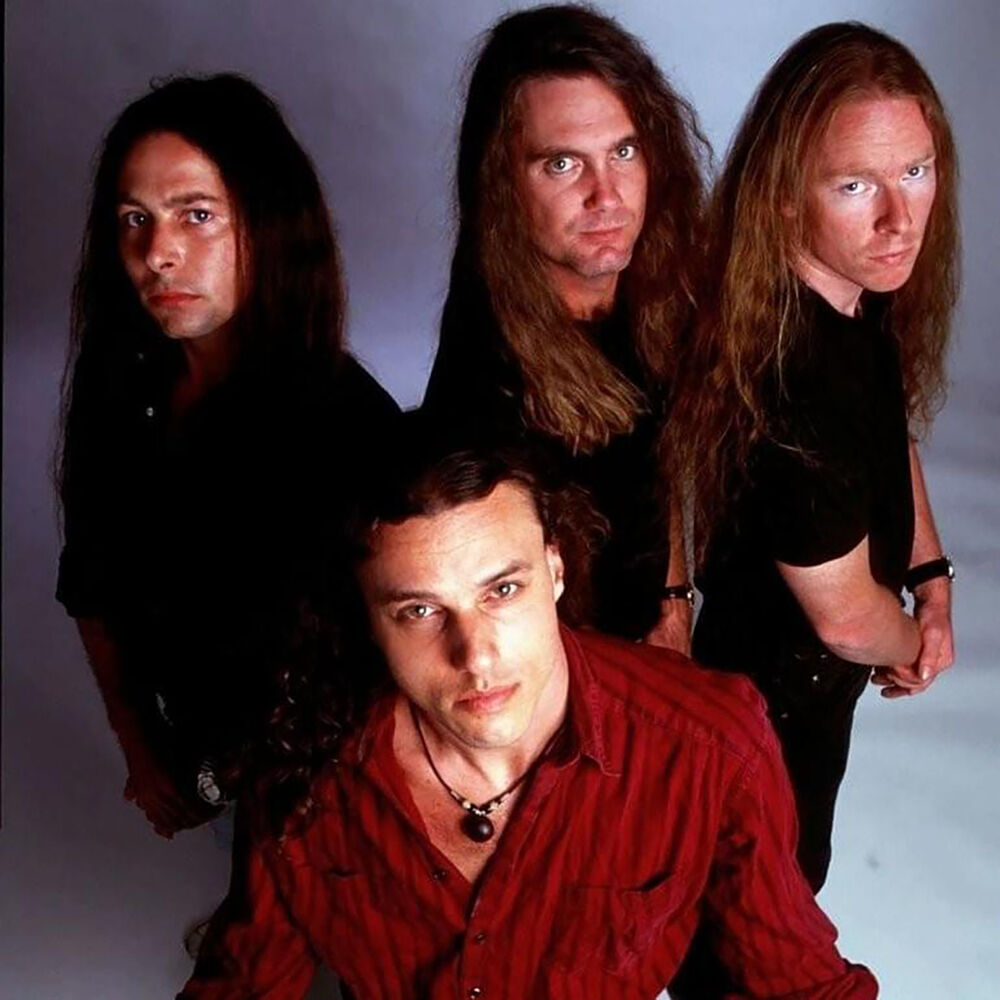
Death
۲۱۴٫۶ هزار طرفدار
جدیدترینها


آخرین انتشارها

Non:Analog - On:Stage Series - New Rochelle, NY 12-03-1988
آخرین انتشار • آلبوم

Non:Analog - On:Stage Series - Detroit, MI 1993
۲۰۲۰ • آلبوم

Non:Analog - On:Stage Series - Belgium 12-23-1991
۲۰۲۰ • آلبوم

Non:Analog - On:Stage Series - Tampa, FL 02-10-1989
۲۰۲۰ • آلبوم


طرفداران اینها را هم گوش میدهند







درباره
۲۱۴٬۵۵۳ طرفدار
۲۹ انتشار • فعال از ۱۹۹۲
Death is the end of an organism's life. It is the irreversible cessation of biological functions that sustain a living organism. Entropy, nature's tendency toward disorder, can contribute to the breakdown of living systems over time. Upon death, organisms stop exhibiting behavior and generally begin to decompose through various physical and chemical processes. Death can occur at any stage of development, including in infancy. A person may experience clinical death that is reversible, resulting in some cases in a near-death experience. In humans, establishing death of the brain determines that an individual has irreversibly died. Natural selection of organisms which successfully pass on their genes to the next generation drives life to engage in a struggle for existence against death. Because of this, living things, including humans, normally fear death and have strong instincts to avoid it. Some organisms may kill other organisms, causing them to die through herbivory, predation, or parasitism in order to take resources from the bodies of other organisms into their own. Organisms can also kill others through competition, in which they struggle with each other for control of external resources. Sometimes, organisms will take resources from organisms which have already died, either through scavenging or decomposition. However, despite the widespread instinct to survive, sometimes animals may commit suicide, being intentionally self-caused death, which in humans may be attributed to a variety of risk factors including mental illness. Besides intentional killing, organisms can die due to failure to secure necessary resources such as starvation or dehydration, or through harmful physical factors such as natural disasters or diseases. Organisms that do not die for these reasons usually succumb to death from old age; however, some organisms, such as the immortal jellyfish, are biologically immortal while still being able to die from other causes.
ادامهی بیوگرافی
Death is the end of an organism's life. It is the irreversible cessation of biological functions that sustain a living organism. Entropy, nature's tendency toward disorder, can contribute to the breakdown of living systems over time. Upon death, organisms stop exhibiting behavior and generally begin to decompose through various physical and chemical processes. Death can occur at any stage of development, including in infancy. A person may experience clinical death that is reversible, resulting in some cases in a near-death experience. In humans, establishing death of the brain determines that an individual has irreversibly died. Natural selection of organisms which successfully pass on their genes to the next generation drives life to engage in a struggle for existence against death. Because of this, living things, including humans, normally fear death and have strong instincts to avoid it. Some organisms may kill other organisms, causing them to die through herbivory, predation, or parasitism in order to take resources from the bodies of other organisms into their own. Organisms can also kill others through competition, in which they struggle with each other for control of external resources. Sometimes, organisms will take resources from organisms which have already died, either through scavenging or decomposition. However, despite the widespread instinct to survive, sometimes animals may commit suicide, being intentionally self-caused death, which in humans may be attributed to a variety of risk factors including mental illness. Besides intentional killing, organisms can die due to failure to secure necessary resources such as starvation or dehydration, or through harmful physical factors such as natural disasters or diseases. Organisms that do not die for these reasons usually succumb to death from old age; however, some organisms, such as the immortal jellyfish, are biologically immortal while still being able to die from other causes.
منبع: ویکیپدیا