Fairy


Fairy
۶۵۶ طرفدار
جدیدترینها


آخرین انتشارها

Maldivas
آخرین انتشار • تکآهنگ

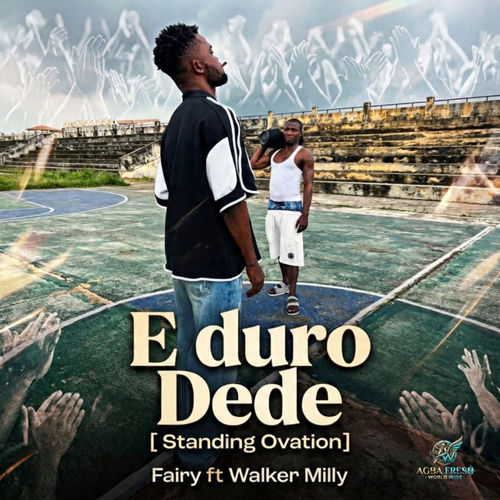
E Duro Dede
۲۰۲۶ • تکآهنگ

FWS Freestyle
۲۰۲۶ • تکآهنگ

ily
۲۰۲۶ • تکآهنگ





طرفداران اینها را هم گوش میدهند


درباره
۶۵۶ طرفدار
۵۹ انتشار • فعال از ۲۰۱۰
A fairy (also fay, fae or faerie/faery) is a type of mythical being or legendary creature, generally described as anthropomorphic, found in the folklore of multiple European cultures (including Celtic, Slavic, Germanic, and French folklore), a form of spirit, often with magical, metaphysical, supernatural, or preternatural qualities. Myths and stories about fairies do not have a single origin but are rather a collection of folk beliefs from disparate sources. Various folk theories about the origins of fairies include casting them as either demoted angels or demons in a Christian tradition, as deities in pagan belief systems, as spirits of the dead, as prehistoric precursors to humans, or as spirits of nature. The label of fairy has at times applied only to specific magical creatures with human appearance, magical powers, and a penchant for trickery. At other times, it has been used to describe any magical creature, such as goblins and gnomes. Fairy has at times been used as an adjective, with a meaning equivalent to "enchanted" or "magical". It was also used as a name for the place these beings come from: Fairyland. A recurring motif of legends about fairies is the need to ward off fairies using protective charms. Common examples of such charms include church bells, wearing clothing inside out, four-leaf clover, and food. Fairies were also sometimes thought to haunt specific locations and to lead travelers astray using will-o'-the-wisps. Before the advent of modern medicine, fairies were often blamed for sickness, particularly tuberculosis and birth deformities. In addition to their folkloric origins, fairies were a common feature of Renaissance literature and Romantic art and were especially popular in the United Kingdom during the Victorian and Edwardian eras. The Celtic Revival also saw fairies established as a canonical part of Celtic cultural heritage.
ادامهی بیوگرافی
A fairy (also fay, fae or faerie/faery) is a type of mythical being or legendary creature, generally described as anthropomorphic, found in the folklore of multiple European cultures (including Celtic, Slavic, Germanic, and French folklore), a form of spirit, often with magical, metaphysical, supernatural, or preternatural qualities. Myths and stories about fairies do not have a single origin but are rather a collection of folk beliefs from disparate sources. Various folk theories about the origins of fairies include casting them as either demoted angels or demons in a Christian tradition, as deities in pagan belief systems, as spirits of the dead, as prehistoric precursors to humans, or as spirits of nature. The label of fairy has at times applied only to specific magical creatures with human appearance, magical powers, and a penchant for trickery. At other times, it has been used to describe any magical creature, such as goblins and gnomes. Fairy has at times been used as an adjective, with a meaning equivalent to "enchanted" or "magical". It was also used as a name for the place these beings come from: Fairyland. A recurring motif of legends about fairies is the need to ward off fairies using protective charms. Common examples of such charms include church bells, wearing clothing inside out, four-leaf clover, and food. Fairies were also sometimes thought to haunt specific locations and to lead travelers astray using will-o'-the-wisps. Before the advent of modern medicine, fairies were often blamed for sickness, particularly tuberculosis and birth deformities. In addition to their folkloric origins, fairies were a common feature of Renaissance literature and Romantic art and were especially popular in the United Kingdom during the Victorian and Edwardian eras. The Celtic Revival also saw fairies established as a canonical part of Celtic cultural heritage.
منبع: ویکیپدیا