Fitz


Fitz
۸۷۶ طرفدار
جدیدترینها


آخرین انتشارها

The Cat in the Hat Theme Song (feat. Bill Hader) (from "The Cat in the Hat")
آخرین انتشار • تکآهنگ

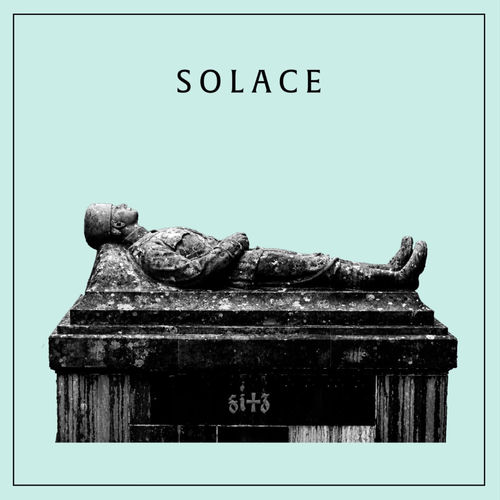
Solace 10"
۲۰۲۶ • EP

Gold
۲۰۲۶ • تکآهنگ

Next To You
۲۰۲۶ • تکآهنگ





طرفداران اینها را هم گوش میدهند


درباره
۸۷۶ طرفدار
۱۱۹ انتشار • فعال از ۲۰۰۸
Fitz (pronounced "fits") was a patronymic indicator used in Anglo-Norman England to help distinguish individuals by identifying their immediate predecessors. Meaning "son of", it would precede the father's forename, or less commonly a title held by the father. In rare cases, it formed part of a matronymic to associate the bearer with a more prominent mother. Convention among modern historians is to represent the word as fitz, but in the original Norman French documentation, it appears as fiz, filz, or similar forms, deriving from the Old French noun filz, fiz (French fils), meaning "son of", and ultimately from Latin filius (son). Its use during the period of English surname adoption (following the Norman conquest) led to its incorporation into patronymic surnames, and at later periods this form was adopted by English kings for the surnames given some of their recognized illegitimate children, and by Irish families when anglicizing their Gaelic patronymic surnames.
ادامهی بیوگرافی
Fitz (pronounced "fits") was a patronymic indicator used in Anglo-Norman England to help distinguish individuals by identifying their immediate predecessors. Meaning "son of", it would precede the father's forename, or less commonly a title held by the father. In rare cases, it formed part of a matronymic to associate the bearer with a more prominent mother. Convention among modern historians is to represent the word as fitz, but in the original Norman French documentation, it appears as fiz, filz, or similar forms, deriving from the Old French noun filz, fiz (French fils), meaning "son of", and ultimately from Latin filius (son). Its use during the period of English surname adoption (following the Norman conquest) led to its incorporation into patronymic surnames, and at later periods this form was adopted by English kings for the surnames given some of their recognized illegitimate children, and by Irish families when anglicizing their Gaelic patronymic surnames.
منبع: ویکیپدیا