Gene Kelly


Gene Kelly
۷٫۵ هزار طرفدار
جدیدترینها

Singin' in the Rain
Good Morning
I Got Rhythm
All I Do Is Dream Of You

Almost Like Being in Love
آخرین انتشارها

The Best of Gene Kelly
آخرین انتشار • آلبوم
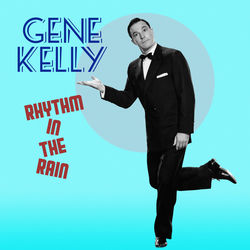
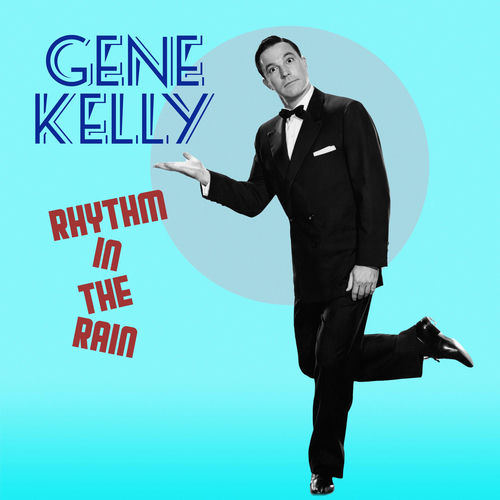
Rhythm In The Rain
۲۰۲۵ • EP

Essential Classics, Vol. 11: Gene Kelly
۲۰۲۴ • آلبوم

Gene Kelly - Singer & Dancer (2024 HD Remaster)
۲۰۲۴ • آلبوم



طرفداران اینها را هم گوش میدهند


درباره
۷٬۴۵۴ طرفدار
۴۷ انتشار • فعال از ۱۹۴۸
Eugene Curran Kelly (August 23, 1912 – February 2, 1996) was an American dancer, actor, singer, director and choreographer. He was known for his energetic and athletic dancing style. Kelly sought to create a new form of American dance accessible to the general public, which he called "dance for the common man". He starred in, choreographed, and, with Stanley Donen, co-directed some of the best-regarded musical films of the 1940s and 1950s. Kelly is best known for his performances in An American in Paris (1951), which won the Academy Award for Best Picture and Singin' in the Rain (1952), which he and Donen directed and choreographed. He received a nomination for the Academy Award for Best Actor for his role as Joseph "Joe" Bradley" in Anchors Aweigh (1945). Kelly's director debut was On the Town (1949), which he co-directed with Donen and also played the lead role. Later in the 1950s, as musicals waned in popularity, he starred in Brigadoon (1954) and It's Always Fair Weather (1955), the last film he directed with Donen. His solo directorial debut was Invitation to the Dance (1956), one of the last MGM musicals, which was a commercial failure. Kelly made his film debut in For Me and My Gal (1942) with Judy Garland, with whom he also appeared in The Pirate (1948) and Summer Stock (1950). He also appeared in the dramas Black Hand (1950) and Inherit the Wind (1960), for which he received critical praise. He continued as a director in the 1960s, with his credits including A Guide for the Married Man (1967) and Hello, Dolly! (1969), which received an Oscar nomination for Best Picture. He co-hosted and appeared in Ziegfeld Follies (1946), That's Entertainment! (1974), That's Entertainment, Part II (1976), That's Dancing! (1985), and That's Entertainment, Part III (1994). His innovations transformed the Hollywood musical, and he is credited with almost single-handedly making the ballet form commercially acceptable to film audiences.
ادامهی بیوگرافی
Eugene Curran Kelly (August 23, 1912 – February 2, 1996) was an American dancer, actor, singer, director and choreographer. He was known for his energetic and athletic dancing style. Kelly sought to create a new form of American dance accessible to the general public, which he called "dance for the common man". He starred in, choreographed, and, with Stanley Donen, co-directed some of the best-regarded musical films of the 1940s and 1950s. Kelly is best known for his performances in An American in Paris (1951), which won the Academy Award for Best Picture and Singin' in the Rain (1952), which he and Donen directed and choreographed. He received a nomination for the Academy Award for Best Actor for his role as Joseph "Joe" Bradley" in Anchors Aweigh (1945). Kelly's director debut was On the Town (1949), which he co-directed with Donen and also played the lead role. Later in the 1950s, as musicals waned in popularity, he starred in Brigadoon (1954) and It's Always Fair Weather (1955), the last film he directed with Donen. His solo directorial debut was Invitation to the Dance (1956), one of the last MGM musicals, which was a commercial failure. Kelly made his film debut in For Me and My Gal (1942) with Judy Garland, with whom he also appeared in The Pirate (1948) and Summer Stock (1950). He also appeared in the dramas Black Hand (1950) and Inherit the Wind (1960), for which he received critical praise. He continued as a director in the 1960s, with his credits including A Guide for the Married Man (1967) and Hello, Dolly! (1969), which received an Oscar nomination for Best Picture. He co-hosted and appeared in Ziegfeld Follies (1946), That's Entertainment! (1974), That's Entertainment, Part II (1976), That's Dancing! (1985), and That's Entertainment, Part III (1994). His innovations transformed the Hollywood musical, and he is credited with almost single-handedly making the ballet form commercially acceptable to film audiences.
منبع: ویکیپدیا