Igor Stravinsky
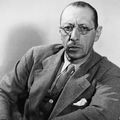

Igor Stravinsky
۷۶٫۷ هزار طرفدار
جدیدترینها

Oedipus Rex, K47, Act I : Stravinsky: Oedipus Rex, K47, Act I: Caedit nos pestis
Oedipus Rex, K47, Act I : Stravinsky: Oedipus Rex, K47, Act I: Liberi, vos liberabo

Violin Concerto in D Major : Stravinsky: Violin Concerto in D Major: I. Toccata
Violin Concerto in D Major : Stravinsky: Violin Concerto in D Major: II. Aria I

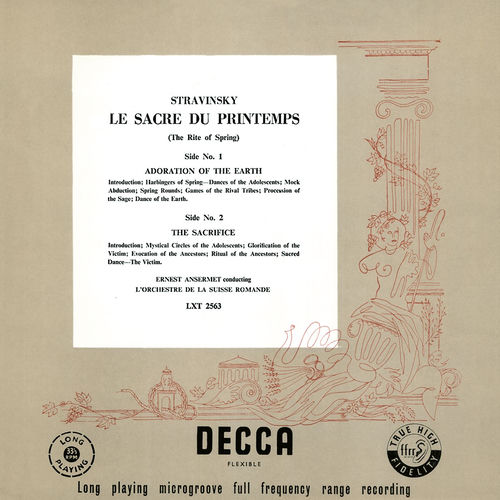
Stravinsky: The Rite of Spring, Pt. 1 "Adoration of the Earth": Introduction
آخرین انتشارها

Stravinsky: Oedipus Rex
آخرین انتشار • آلبوم

Stravinsky: Violin Concerto; Mozart: Violin Concerto No. 1
۲۰۲۶ • آلبوم

Stravinsky: Le sacre du printemps - Debussy: La Mer - Boulez: Notations VII
۲۰۲۶ • آلبوم

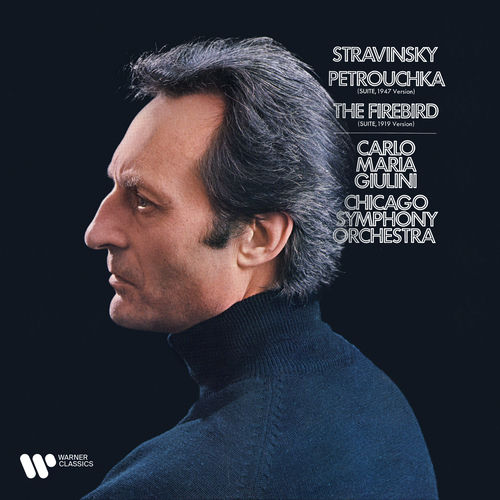
Stravinsky: Petruska; Firebird Suite; Symphony of Psalms
۲۰۲۶ • آلبوم





طرفداران اینها را هم گوش میدهند

Maurice Ravel
خواننده

Claude Debussy
خواننده

Erik Satie
خواننده

Dmitri Shostakovich
خواننده

Aram Ilyich Khachaturian
خواننده

Samuel Barber
خواننده

Arnold Schönberg
خواننده

Heitor Villa-Lobos
خواننده

George Gershwin
خواننده

Francis Poulenc
خواننده

Ralph Vaughan Williams
خواننده

Benjamin Britten
خواننده
درباره
۷۶٬۶۶۳ طرفدار
۳۹۱ انتشار • فعال از ۱۹۵۳
Igor Fyodorovich Stravinsky (17 June [O.S. 5 June] 1882 – 6 April 1971) was a Russian composer and conductor with French (from 1934) and American citizenship (from 1945). He is widely considered one of the most important and influential composers of the 20th century and a pivotal figure in modernist music. Born into a musical family in Saint Petersburg, Stravinsky grew up taking piano and music theory lessons. While studying law at the University of Saint Petersburg, he met Nikolai Rimsky-Korsakov and studied music under him until the latter's death in 1908. Soon after, Stravinsky met impresario Sergei Diaghilev, who commissioned him to write three ballets for the Ballets Russes's Paris seasons: The Firebird (1910), Petrushka (1911), and The Rite of Spring (1913), the last of which caused a near-riot at the premiere due to its avant-garde nature and later changed the way composers understood rhythmic structure. Stravinsky's compositional career is often divided into three main periods: his Russian period (1913–1920), his neoclassical period (1920–1951), and his serial period (1954–1968). During his Russian period, Stravinsky was heavily influenced by Russian styles and folklore. Works such as Renard (1916) and Les noces (1923) drew upon Russian folk poetry, while compositions like L'Histoire du soldat (1918) integrated these folk elements with popular musical forms, including the tango, waltz, ragtime, and chorale. His neoclassical period exhibited themes and techniques from the classical period, like the use of the sonata form in his Octet (1923) and use of Greek mythological themes in works including Apollon musagète (1927), Oedipus rex (1927), and Persephone (1935). In his serial period, Stravinsky turned towards compositional techniques from the Second Viennese School like Arnold Schoenberg's twelve-tone technique.
ادامهی بیوگرافی
Igor Fyodorovich Stravinsky (17 June [O.S. 5 June] 1882 – 6 April 1971) was a Russian composer and conductor with French (from 1934) and American citizenship (from 1945). He is widely considered one of the most important and influential composers of the 20th century and a pivotal figure in modernist music. Born into a musical family in Saint Petersburg, Stravinsky grew up taking piano and music theory lessons. While studying law at the University of Saint Petersburg, he met Nikolai Rimsky-Korsakov and studied music under him until the latter's death in 1908. Soon after, Stravinsky met impresario Sergei Diaghilev, who commissioned him to write three ballets for the Ballets Russes's Paris seasons: The Firebird (1910), Petrushka (1911), and The Rite of Spring (1913), the last of which caused a near-riot at the premiere due to its avant-garde nature and later changed the way composers understood rhythmic structure. Stravinsky's compositional career is often divided into three main periods: his Russian period (1913–1920), his neoclassical period (1920–1951), and his serial period (1954–1968). During his Russian period, Stravinsky was heavily influenced by Russian styles and folklore. Works such as Renard (1916) and Les noces (1923) drew upon Russian folk poetry, while compositions like L'Histoire du soldat (1918) integrated these folk elements with popular musical forms, including the tango, waltz, ragtime, and chorale. His neoclassical period exhibited themes and techniques from the classical period, like the use of the sonata form in his Octet (1923) and use of Greek mythological themes in works including Apollon musagète (1927), Oedipus rex (1927), and Persephone (1935). In his serial period, Stravinsky turned towards compositional techniques from the Second Viennese School like Arnold Schoenberg's twelve-tone technique.
منبع: ویکیپدیا