Samuel Barber

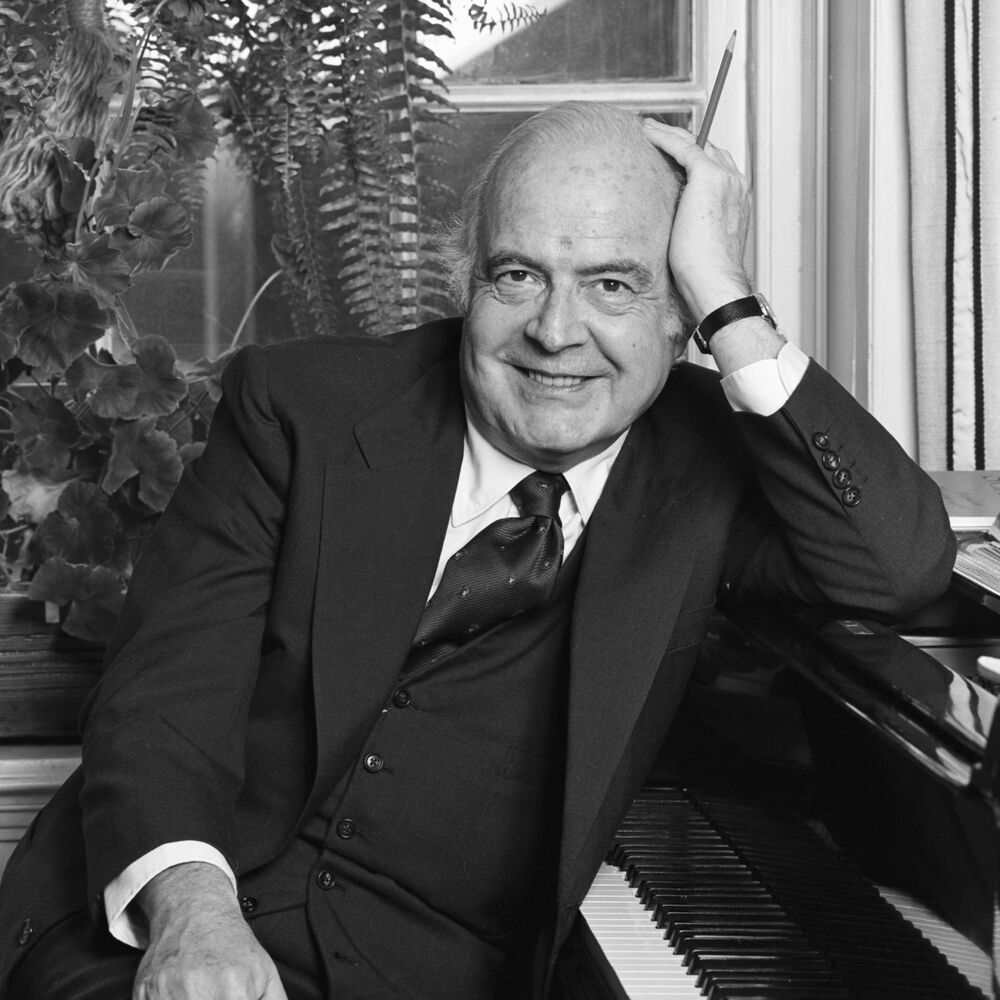
Samuel Barber
۱۲٫۴ هزار طرفدار
جدیدترینها

Spirituals for String Choir and Orchestra : Gould: Spirituals for String Choir and Orchestra: I. Proclamation
Spirituals for String Choir and Orchestra : Gould: Spirituals for String Choir and Orchestra: II. Sermon
Together (Adagio For Strings)
12 Concertos, Op. 3 - "L'estro armonico" / Concerto No. 7 in F major for 4 Violins, RV 567 : Vivaldi: 12 Concertos, Op. 3 - "L'estro armonico" / Concerto No. 7 in F major for 4 Violins, RV 567: 5. Allegro
Ariodante HWV 33 / Act 1 : Handel: Ariodante HWV 33 / Act 1: Musette II (Andante)
آخرین انتشارها

Gould: Spirituals; Fall River Legend; Barber: Medea
آخرین انتشار • آلبوم

Together (Adagio For Strings)
۲۰۲۵ • تکآهنگ

"A Classical Ensemble - From Baroque to Beyond"
۲۰۲۵ • آلبوم
"Classical Drive - Guess that Theme"
۲۰۲۵ • آلبوم


طرفداران اینها را هم گوش میدهند

Maurice Ravel
خواننده
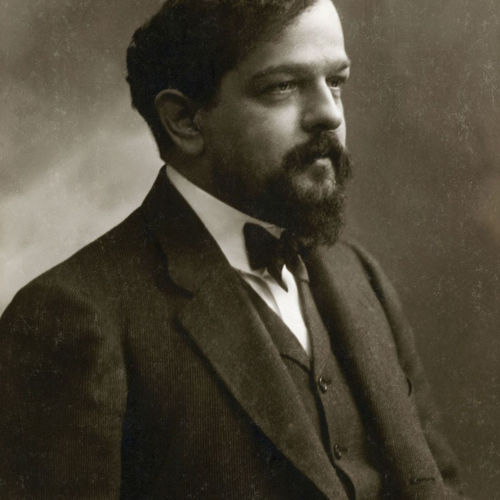
Claude Debussy
خواننده

Erik Satie
خواننده

Igor Stravinsky
خواننده

Dmitri Shostakovich
خواننده

Aram Ilyich Khachaturian
خواننده

Arnold Schönberg
خواننده

Heitor Villa-Lobos
خواننده

George Gershwin
خواننده

Francis Poulenc
خواننده

Ralph Vaughan Williams
خواننده

Benjamin Britten
خواننده
درباره
۱۲٬۳۵۴ طرفدار
۱۶۶ انتشار • فعال از ۱۹۵۱
Samuel Osmond Barber II (March 9, 1910 – January 23, 1981) was an American composer, pianist, conductor, baritone, and music educator, and one of the most celebrated composers of the mid-20th century. Principally influenced by nine years' composition studies with Rosario Scalero at the Curtis Institute and more than 25 years' study with his uncle, the composer Sidney Homer, Barber's music usually eschewed the experimental trends of musical modernism in favor of traditional 19th-century harmonic language and formal structure embracing lyricism and emotional expression. However, he adopted elements of modernism after 1940 in some of his compositions, such as an increased use of dissonance and chromaticism in the Cello Concerto (1945) and Medea's Dance of Vengeance (1955); and the use of tonal ambiguity and a narrow use of serialism in his Piano Sonata (1949), Prayers of Kierkegaard (1954), and Nocturne (1959). Barber was adept at both instrumental and vocal music. His works became successful on the international stage and many of his compositions enjoyed rapid adoption into the classical performance canon. In particular, his Adagio for Strings (1936) has earned a permanent place in the orchestral concert repertory, as has that work's adaptation for chorus, Agnus Dei (1967). He received the Pulitzer Prize for Music twice: for his opera Vanessa (1956–1957), and for the Concerto for Piano and Orchestra (1962). Also widely performed is his Knoxville: Summer of 1915 (1947), a setting for soprano and orchestra of a prose text by James Agee. At the time of Barber's death, nearly all of his compositions had been recorded. Many of his compositions were commissioned or first performed by such noted groups and artists as the Boston Symphony Orchestra, the Philadelphia Orchestra, the New York Philharmonic, the Metropolitan Opera, Vladimir Horowitz, Eleanor Steber, Raya Garbousova, John Browning, Leontyne Price, Pierre Bernac, Francis Poulenc, and Dietrich Fischer-Dieskau.
ادامهی بیوگرافی
Samuel Osmond Barber II (March 9, 1910 – January 23, 1981) was an American composer, pianist, conductor, baritone, and music educator, and one of the most celebrated composers of the mid-20th century. Principally influenced by nine years' composition studies with Rosario Scalero at the Curtis Institute and more than 25 years' study with his uncle, the composer Sidney Homer, Barber's music usually eschewed the experimental trends of musical modernism in favor of traditional 19th-century harmonic language and formal structure embracing lyricism and emotional expression. However, he adopted elements of modernism after 1940 in some of his compositions, such as an increased use of dissonance and chromaticism in the Cello Concerto (1945) and Medea's Dance of Vengeance (1955); and the use of tonal ambiguity and a narrow use of serialism in his Piano Sonata (1949), Prayers of Kierkegaard (1954), and Nocturne (1959). Barber was adept at both instrumental and vocal music. His works became successful on the international stage and many of his compositions enjoyed rapid adoption into the classical performance canon. In particular, his Adagio for Strings (1936) has earned a permanent place in the orchestral concert repertory, as has that work's adaptation for chorus, Agnus Dei (1967). He received the Pulitzer Prize for Music twice: for his opera Vanessa (1956–1957), and for the Concerto for Piano and Orchestra (1962). Also widely performed is his Knoxville: Summer of 1915 (1947), a setting for soprano and orchestra of a prose text by James Agee. At the time of Barber's death, nearly all of his compositions had been recorded. Many of his compositions were commissioned or first performed by such noted groups and artists as the Boston Symphony Orchestra, the Philadelphia Orchestra, the New York Philharmonic, the Metropolitan Opera, Vladimir Horowitz, Eleanor Steber, Raya Garbousova, John Browning, Leontyne Price, Pierre Bernac, Francis Poulenc, and Dietrich Fischer-Dieskau.
منبع: ویکیپدیا