Inquisition


Inquisition
۱۱٫۵ هزار طرفدار
جدیدترینها

A Hidden Ceremony of Blood and Flesh (Live)
Crown of Light and Constellations (Live)

Whispering in Tears of Blood
Incense of Rest

Infernal Evocation of Torment
آخرین انتشارها

For the Burning of All Holiness (Live at Steelfest 2022)
آخرین انتشار • آلبوم

Incense of Rest
۲۰۲۶ • EP

Deadly Alliance
۲۰۲۶ • تکآهنگ
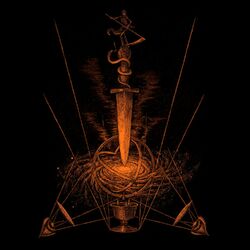
Veneration of Medieval Mysticism and Cosmological Violence
۲۰۲۴ • آلبوم





طرفداران اینها را هم گوش میدهند


درباره
۱۱٬۴۷۶ طرفدار
۱۴ انتشار • فعال از ۲۰۱۰
An inquisition was a Catholic judicial procedure in which ecclesiastical judges could initiate, investigate and try cases in their jurisdiction. Popularly, the Inquisition became the name for various medieval and Reformation-era state-organized tribunals whose aim was to combat heresy, apostasy, blasphemy, witchcraft, and customs considered to be deviant, using this judicial procedure. Violence, isolation, certain torture or the threat of its application, have been used by inquisitions to extract confessions and denunciations. Inquisitions with the aim of combatting religious sedition (e.g. apostasy or heresy) had their start in the 12th-century Kingdom of France, particularly among the Cathars and the Waldensians. The inquisitorial courts from this time until the mid-15th century are together known as the Medieval Inquisition. Other banned groups investigated by medieval inquisitions, which primarily took place in France and Italy, include the Spiritual Franciscans, the Hussites, and the Beguines. Beginning in the 1250s, inquisitors were generally chosen from members of the Dominican Order, replacing the earlier practice of using local clergy as judges. Inquisitions also expanded to other European countries, resulting in the Spanish Inquisition and the Portuguese Inquisition. The Spanish and Portuguese inquisitions often focused on the New Christians or Conversos (former Jews who converted to Christianity to avoid antisemitic regulations and persecution), the Marranos (people who were forced to abandon Judaism against their will by violence and threats of expulsion), and on the Moriscos (Muslims who had been forced to convert to Catholicism), as a result of suspicions that they had secretly maintained or reverted to their previous religions, as well as the fear of possible rebellions, as had occurred in previous times (such as the First and Second Morisco Rebellions).
ادامهی بیوگرافی
An inquisition was a Catholic judicial procedure in which ecclesiastical judges could initiate, investigate and try cases in their jurisdiction. Popularly, the Inquisition became the name for various medieval and Reformation-era state-organized tribunals whose aim was to combat heresy, apostasy, blasphemy, witchcraft, and customs considered to be deviant, using this judicial procedure. Violence, isolation, certain torture or the threat of its application, have been used by inquisitions to extract confessions and denunciations. Inquisitions with the aim of combatting religious sedition (e.g. apostasy or heresy) had their start in the 12th-century Kingdom of France, particularly among the Cathars and the Waldensians. The inquisitorial courts from this time until the mid-15th century are together known as the Medieval Inquisition. Other banned groups investigated by medieval inquisitions, which primarily took place in France and Italy, include the Spiritual Franciscans, the Hussites, and the Beguines. Beginning in the 1250s, inquisitors were generally chosen from members of the Dominican Order, replacing the earlier practice of using local clergy as judges. Inquisitions also expanded to other European countries, resulting in the Spanish Inquisition and the Portuguese Inquisition. The Spanish and Portuguese inquisitions often focused on the New Christians or Conversos (former Jews who converted to Christianity to avoid antisemitic regulations and persecution), the Marranos (people who were forced to abandon Judaism against their will by violence and threats of expulsion), and on the Moriscos (Muslims who had been forced to convert to Catholicism), as a result of suspicions that they had secretly maintained or reverted to their previous religions, as well as the fear of possible rebellions, as had occurred in previous times (such as the First and Second Morisco Rebellions).
منبع: ویکیپدیا