Jali


Jali
۱۶٫۷ هزار طرفدار
جدیدترینها




آخرین انتشارها
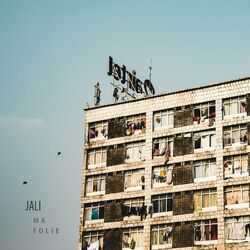
Ma folie
آخرین انتشار • تکآهنگ

Terrain de Basket
۲۰۲۴ • تکآهنگ

Paysages
۲۰۲۳ • آلبوم

Sans gravité
۲۰۲۲ • تکآهنگ


طرفداران اینها را هم گوش میدهند


درباره
۱۶٬۶۸۸ طرفدار
۹ انتشار • فعال از ۲۰۱۱
A jali or jaali (jālī, meaning "net") is a perforated stone or latticed screen, usually with an ornamental pattern constructed through the use of calligraphy, geometry or natural patterns. This form of architectural decoration is common in Indo-Islamic architecture and more generally in Indian architecture. It is closely related to mashrabiya in Islamic architecture. According to Yatin Pandya, the jali allows light and air in while minimizing the sun and the rain, as well as providing cooling through passive ventilation. The holes are nearly the same width or smaller than the thickness of the stone, thus providing structural strength. It has been observed that humid areas like Kerala and Konkan have larger holes with overall lower opacity compared with the dry climate regions of Gujarat and Rajasthan. With the widespread use of glass in the late 19th century, and compactness of the residential areas in modern India, jalis became less frequent for privacy and security matters. In the 21st century, it has gained popularity again as a low-energy building solution for the environmental footprint of energy use by buildings.
ادامهی بیوگرافی
A jali or jaali (jālī, meaning "net") is a perforated stone or latticed screen, usually with an ornamental pattern constructed through the use of calligraphy, geometry or natural patterns. This form of architectural decoration is common in Indo-Islamic architecture and more generally in Indian architecture. It is closely related to mashrabiya in Islamic architecture. According to Yatin Pandya, the jali allows light and air in while minimizing the sun and the rain, as well as providing cooling through passive ventilation. The holes are nearly the same width or smaller than the thickness of the stone, thus providing structural strength. It has been observed that humid areas like Kerala and Konkan have larger holes with overall lower opacity compared with the dry climate regions of Gujarat and Rajasthan. With the widespread use of glass in the late 19th century, and compactness of the residential areas in modern India, jalis became less frequent for privacy and security matters. In the 21st century, it has gained popularity again as a low-energy building solution for the environmental footprint of energy use by buildings.
منبع: ویکیپدیا