Johnnie Ray

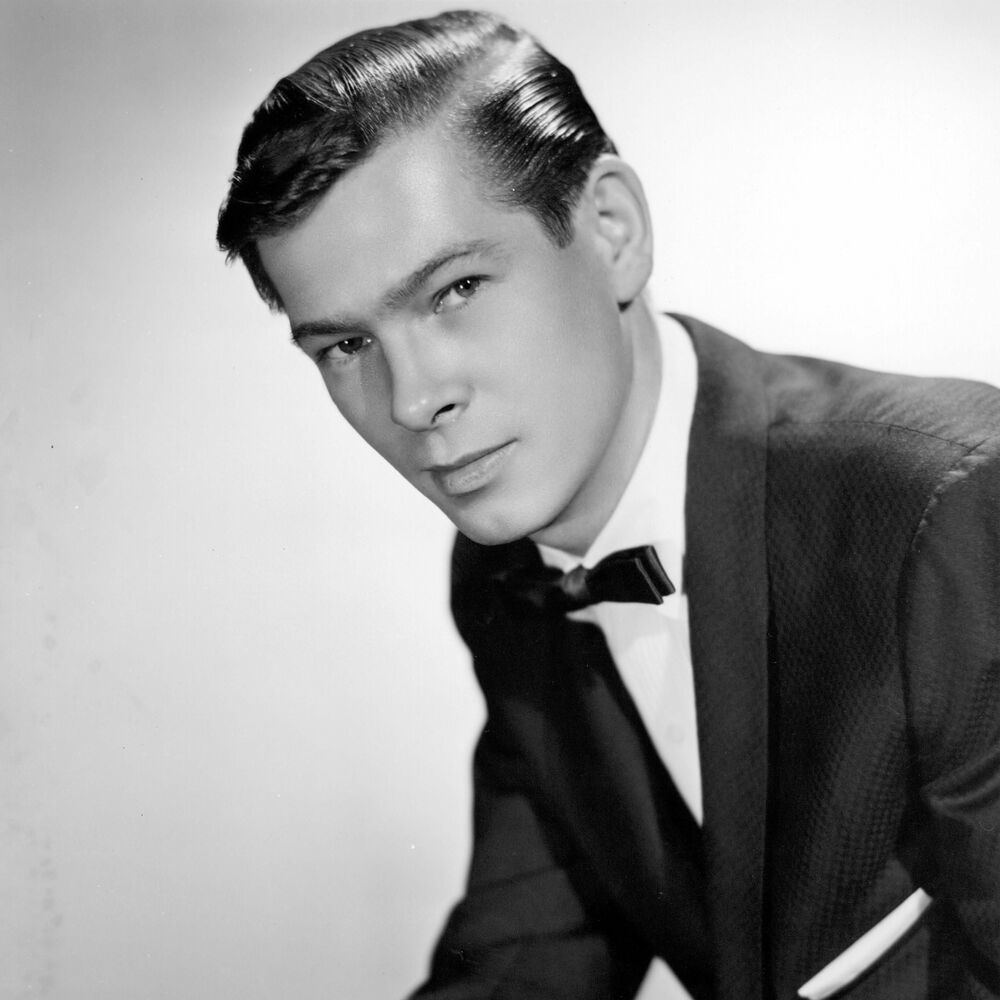
Johnnie Ray
۳٫۵ هزار طرفدار
جدیدترینها

I'll go to hell loving you

My biggest regret was hurting you

Cry (Remastered)
Istanbul (Not Constantinopel) (Remastered)

Botch-A-Me (Ba-Ba-Baciami Piccina)
آخرین انتشارها

I'll go to hell loving you
آخرین انتشار • تکآهنگ

My biggest regret was hurting you
۲۰۲۶ • تکآهنگ

Cry (Remastered)
۲۰۲۶ • EP

Best Songs of 1952, Vol. 2
۲۰۲۶ • آلبوم



طرفداران اینها را هم گوش میدهند


درباره
۳٬۵۳۱ طرفدار
۲۰۸ انتشار • فعال از ۱۹۵۱
John Alvin Ray (January 10, 1927 – February 24, 1990) was an American singer, songwriter, and pianist. Highly popular for most of the 1950s, Ray has been cited by critics as a major precursor to what became rock and roll, for his jazz and blues-influenced music, and his animated stage personality. Tony Bennett called Ray the "father of rock and roll", and historians have noted him as a pioneering figure in the development of the genre. Born and raised in Dallas, Oregon, Ray, who was partially deaf, began singing professionally at age 15 on Portland radio stations. He gained a local following singing at small, predominantly African-American nightclubs in Detroit, where he was discovered in 1949. In 1951, he signed a contract with Okeh Records, a subsidiary of Columbia Records. On the Billboard charts, he rose quickly from obscurity with the release of his debut album Johnnie Ray (1952), as well as with a 78 rpm single, both of whose sides reached the Billboard magazine's record sales chart, "Cry" and "The Little White Cloud That Cried". In 1954, Ray made his first film, There's No Business Like Show Business, as part of an ensemble cast that included Ethel Merman and Marilyn Monroe. His career in the music business in his native United States began to decline in 1957, and his American record label dropped him in 1960. He never regained a strong following there and rarely appeared on American television after 1973. Ray's last television appearance in the United States was on a 1977 recorded-for-syndication episode of Sha Na Na. His fanbases in the United Kingdom and Australia remained strong until his final global concert tour in 1989. British Hit Singles & Albums noted that Ray was "a sensation in the 1950s; the heart-wrenching vocal delivery of 'Cry' ...
ادامهی بیوگرافی
John Alvin Ray (January 10, 1927 – February 24, 1990) was an American singer, songwriter, and pianist. Highly popular for most of the 1950s, Ray has been cited by critics as a major precursor to what became rock and roll, for his jazz and blues-influenced music, and his animated stage personality. Tony Bennett called Ray the "father of rock and roll", and historians have noted him as a pioneering figure in the development of the genre. Born and raised in Dallas, Oregon, Ray, who was partially deaf, began singing professionally at age 15 on Portland radio stations. He gained a local following singing at small, predominantly African-American nightclubs in Detroit, where he was discovered in 1949. In 1951, he signed a contract with Okeh Records, a subsidiary of Columbia Records. On the Billboard charts, he rose quickly from obscurity with the release of his debut album Johnnie Ray (1952), as well as with a 78 rpm single, both of whose sides reached the Billboard magazine's record sales chart, "Cry" and "The Little White Cloud That Cried". In 1954, Ray made his first film, There's No Business Like Show Business, as part of an ensemble cast that included Ethel Merman and Marilyn Monroe. His career in the music business in his native United States began to decline in 1957, and his American record label dropped him in 1960. He never regained a strong following there and rarely appeared on American television after 1973. Ray's last television appearance in the United States was on a 1977 recorded-for-syndication episode of Sha Na Na. His fanbases in the United Kingdom and Australia remained strong until his final global concert tour in 1989. British Hit Singles & Albums noted that Ray was "a sensation in the 1950s; the heart-wrenching vocal delivery of 'Cry' ...
منبع: ویکیپدیا