LSD


LSD
۲۲۷٫۵ هزار طرفدار
جدیدترینها
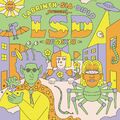
Genius (feat. Lil Wayne, Sia, Diplo & Labrinth) (Lil Wayne Remix)
Thunderclouds (feat. Sia, Diplo & Labrinth) (MK Remix)
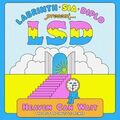
Heaven Can Wait (feat. Sia, Diplo & Labrinth) (The Aston Shuffle Remix)
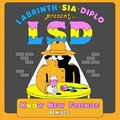
No New Friends (feat. Sia, Diplo & Labrinth) (Dombresky Remix)
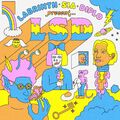
Welcome to the Wonderful World of (feat. Sia, Diplo & Labrinth)
آخرین انتشارها

LABRINTH, SIA, DIPLO PRESENT... LSD (REMIXES) (feat. Sia, Diplo & Labrinth)
آخرین انتشار • آلبوم
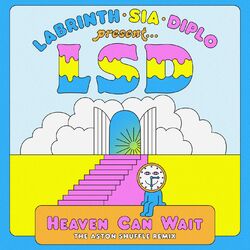
Heaven Can Wait (feat. Sia, Diplo & Labrinth) (The Aston Shuffle Remix)
۲۰۱۹ • تکآهنگ

No New Friends (Remixes) (feat. Sia, Diplo & Labrinth)
۲۰۱۹ • تکآهنگ

LABRINTH, SIA & DIPLO PRESENT... LSD (feat. Sia, Diplo & Labrinth)
۲۰۱۹ • آلبوم


طرفداران اینها را هم گوش میدهند








درباره
۲۲۷٬۵۴۴ طرفدار
۱۴ انتشار • فعال از ۲۰۱۸
Lysergic acid diethylamide, commonly known as LSD (from German Lysergsäurediethylamid) and by the nicknames acid and Lucy, is a semisynthetic psychedelic drug derived from ergot, known for its potent psychological effects. LSD taken orally has an onset of action of 0.4 to 1.0 hours and a duration of 7 to 12 hours. In recreational settings it is commonly administered via tabs of blotter paper. LSD is extremely potent, with noticeable effects at doses as low as 20 micrograms and is sometimes taken in even smaller amounts for microdosing. Despite widespread use, no fatal human overdoses have been documented. LSD is mainly used recreationally or for spiritual purposes. LSD can cause mystical experiences. LSD exerts its effects primarily through high-affinity binding to several serotonin receptors, especially the serotonin 5-HT2A receptor, and to a lesser extent dopamine and adrenergic receptors. Neuroimaging studies indicate that LSD reduces the efficacy of thalamo-cortical information filtering (producing sensory overload), decreases oscillatory power within the default mode network, and flattens hierarchical organization of large-brain activity. At higher doses, it can induce visual and auditory hallucinations, ego dissolution, and anxiety. LSD use can cause hallucinogen-induced psychotic disorder where paranoia and delusions persist beyond the initial effects of the drug. LSD may lead to persistent visual disturbances known as hallucinogen persisting perception disorder (HPPD). Swiss chemist Albert Hofmann first synthesized LSD in 1938 and discovered its potent psychedelic effects in 1943 after accidental ingestion. It became widely studied in the 1950s and 1960s. The drug was initially explored for psychiatric use due to its structural similarity to serotonin and safety profile. It was used experimentally in psychiatry for treating alcoholism and schizophrenia.
ادامهی بیوگرافی
Lysergic acid diethylamide, commonly known as LSD (from German Lysergsäurediethylamid) and by the nicknames acid and Lucy, is a semisynthetic psychedelic drug derived from ergot, known for its potent psychological effects. LSD taken orally has an onset of action of 0.4 to 1.0 hours and a duration of 7 to 12 hours. In recreational settings it is commonly administered via tabs of blotter paper. LSD is extremely potent, with noticeable effects at doses as low as 20 micrograms and is sometimes taken in even smaller amounts for microdosing. Despite widespread use, no fatal human overdoses have been documented. LSD is mainly used recreationally or for spiritual purposes. LSD can cause mystical experiences. LSD exerts its effects primarily through high-affinity binding to several serotonin receptors, especially the serotonin 5-HT2A receptor, and to a lesser extent dopamine and adrenergic receptors. Neuroimaging studies indicate that LSD reduces the efficacy of thalamo-cortical information filtering (producing sensory overload), decreases oscillatory power within the default mode network, and flattens hierarchical organization of large-brain activity. At higher doses, it can induce visual and auditory hallucinations, ego dissolution, and anxiety. LSD use can cause hallucinogen-induced psychotic disorder where paranoia and delusions persist beyond the initial effects of the drug. LSD may lead to persistent visual disturbances known as hallucinogen persisting perception disorder (HPPD). Swiss chemist Albert Hofmann first synthesized LSD in 1938 and discovered its potent psychedelic effects in 1943 after accidental ingestion. It became widely studied in the 1950s and 1960s. The drug was initially explored for psychiatric use due to its structural similarity to serotonin and safety profile. It was used experimentally in psychiatry for treating alcoholism and schizophrenia.
منبع: ویکیپدیا