Malik

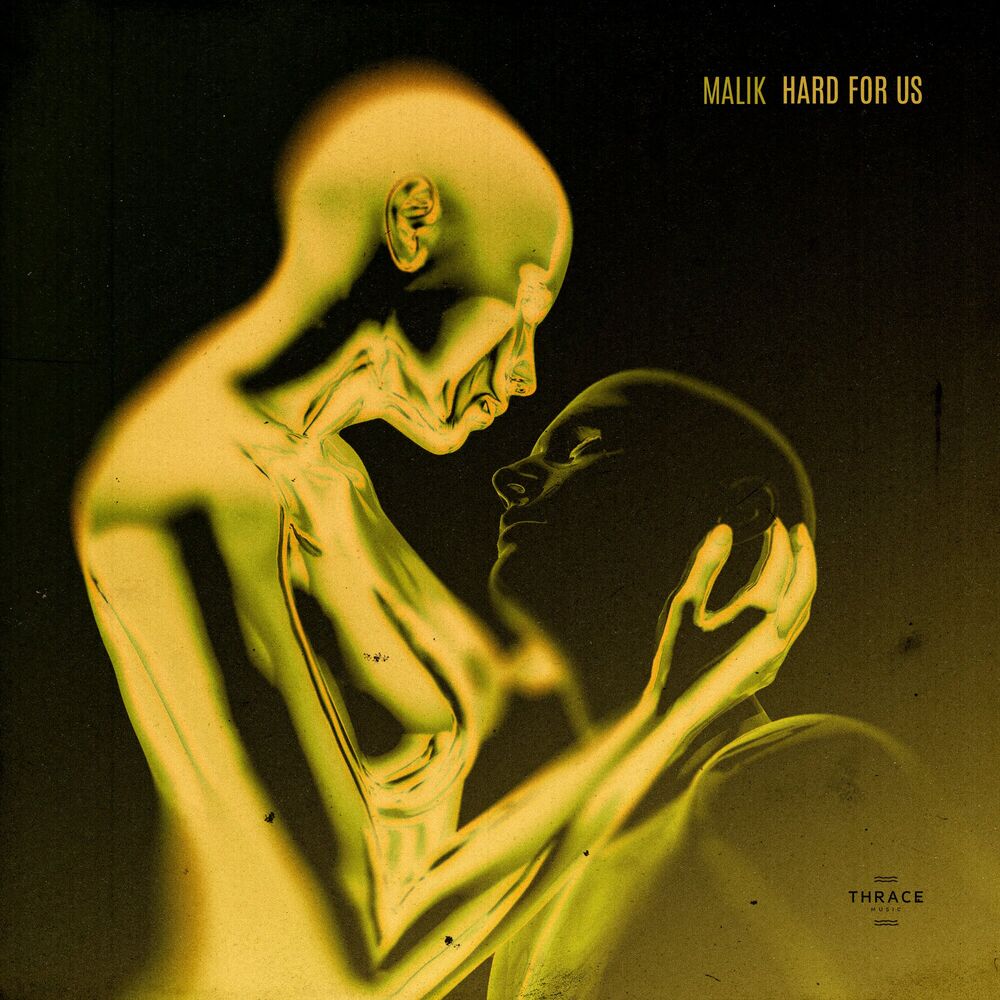
Malik
۴٫۷ هزار طرفدار
جدیدترینها
I Like Girls (Radio Edit)

Oh My God

Automatic (Gnor Edit)
آخرین انتشارها
I Like Girls
آخرین انتشار • تکآهنگ

Oh My God
۲۰۱۳ • تکآهنگ
Automatic
۲۰۱۱ • EP


طرفداران اینها را هم گوش میدهند


درباره
۴٬۷۲۷ طرفدار
۳ انتشار • فعال از ۲۰۱۱
Malik (Phoenician: 𐤌𐤋𐤊; Hebrew: מֶלֶךְ; Arabic: ملك; variously Romanized Mallik, Melik, Malka, Malek, Maleek, Malick, Mallick, Melekh) is the Semitic term translating to "king", recorded in East Semitic and Arabic, and as M-L-K in Northwest Semitic during the Late Bronze Age (e.g. Aramaic, Canaanite, Hebrew). Although the early forms of the name were to be found among the pre-Arab and pre-Islamic Semitic speakers of the Levant, Canaan, and Mesopotamia, it has since been adopted in various other, mainly but not exclusively Islamized or Arabized non-Semitic Asian languages for their ruling princes and to render kings elsewhere. It is also sometimes used in derived meanings. Furthermore, in the Seljuk Empire and the Seljuk Sultanate of Rum, Malik was a title granted to members of the dynasty who were not sultans. The female version of Malik is Malikah (Hebrew: מַלְכָּה; Arabic: ملكة; or its various spellings such as Malekeh or Melike), meaning "queen". The name Malik was originally found among various pre-Arab and non-Muslim Semitic speakers such as the indigenous ethnic Assyrians of Iraq, Amorites, Jews, Arameans, Mandeans, other Syriac speaking ethnic groups, and pre-Islamic Arabs. It has since been spread among various predominantly Muslim and non-Semitic peoples in Central Asia, the Middle East, and South Asia.
ادامهی بیوگرافی
Malik (Phoenician: 𐤌𐤋𐤊; Hebrew: מֶלֶךְ; Arabic: ملك; variously Romanized Mallik, Melik, Malka, Malek, Maleek, Malick, Mallick, Melekh) is the Semitic term translating to "king", recorded in East Semitic and Arabic, and as M-L-K in Northwest Semitic during the Late Bronze Age (e.g. Aramaic, Canaanite, Hebrew). Although the early forms of the name were to be found among the pre-Arab and pre-Islamic Semitic speakers of the Levant, Canaan, and Mesopotamia, it has since been adopted in various other, mainly but not exclusively Islamized or Arabized non-Semitic Asian languages for their ruling princes and to render kings elsewhere. It is also sometimes used in derived meanings. Furthermore, in the Seljuk Empire and the Seljuk Sultanate of Rum, Malik was a title granted to members of the dynasty who were not sultans. The female version of Malik is Malikah (Hebrew: מַלְכָּה; Arabic: ملكة; or its various spellings such as Malekeh or Melike), meaning "queen". The name Malik was originally found among various pre-Arab and non-Muslim Semitic speakers such as the indigenous ethnic Assyrians of Iraq, Amorites, Jews, Arameans, Mandeans, other Syriac speaking ethnic groups, and pre-Islamic Arabs. It has since been spread among various predominantly Muslim and non-Semitic peoples in Central Asia, the Middle East, and South Asia.
منبع: ویکیپدیا