Namewee


Namewee
۱٫۳ هزار طرفدار
جدیدترینها


آخرین انتشارها

Banglasia You Happy I Happy
آخرین انتشار • تکآهنگ

當我喝醉以後 (Bio Bun Ban版)
۲۰۲۴ • تکآهنگ

Weenomenon
۲۰۲۴ • آلبوم

Bukit Mak (POP版)
۲۰۲۴ • تکآهنگ
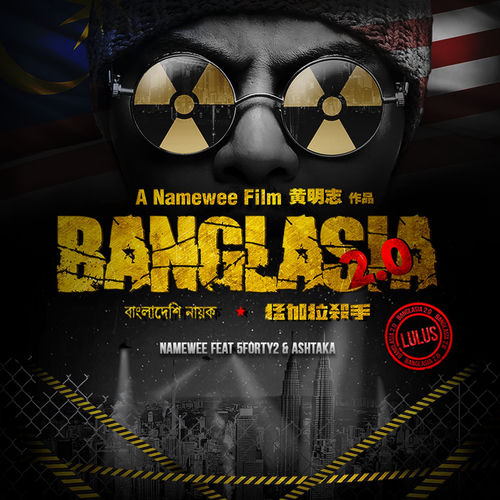


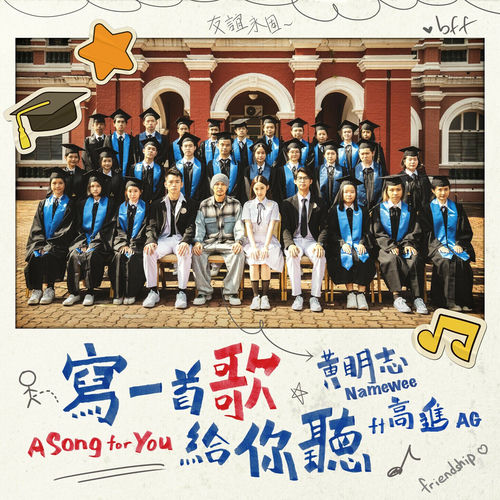


طرفداران اینها را هم گوش میدهند


درباره
۱٬۲۶۳ طرفدار
۱۸۷ انتشار • فعال از ۲۰۰۷
Wee Meng Chee (Chinese: 黃明志; pinyin: Huáng Míngzhì; Pe̍h-ōe-jī: Ûiⁿ Bêng-chì; born 6 May 1983), better known by his stage name Namewee (), is a Malaysian hip hop recording artist, composer, filmmaker and actor. His stage name is a bilingual pun on his given name, which in Mandarin is nearly homophonous with the word for "name" (Chinese: 名字; pinyin: míngzi). Wee gained popularity after releasing a controversial song titled "Negarakuku", a remake of the national anthem of Malaysia, "Negaraku". The word kuku resembles the word for 'penis' in Hokkien. In the weeks following the song's release, it drew criticism from Malaysian society. Despite the controversy surrounding "Negarakuku", Wee released his first, self-titled EP, Namewee (Chinese: 明志), in Malaysia on 3 September 2007. The album was completed in May and does not contain "Negarakuku". In early 2010, he released his first film titled Nasi Lemak 2.0. Subsequently, he released Hantu Gangster and Kara King, which were released in 2012 and 2013, respectively. He also started a talk show series on YouTube, Namewee Tokok, in September 2012. He was nominated for the Best Male Vocal Mandarin award at the Golden Melody Award in 2016 and 2017. In August 2016, he was arrested by police for filming a music video, featuring performers dressed as religious leaders going about a church, a mosque and a Chinese temple, which allegedly insulted the dignity of Islam. Namewee is a controversial figure in Malaysian Chinese music. He first gained mainstream popularity with his song "You're Not Red" (Chinese: 你不紅). In subsequent years, several other songs also gained attention outside Malaysia, such as "Thai Love Song" (Chinese: 泰國情哥), "High Pitch" (Chinese: 飆高音) "Stranger in the North" (Chinese: 漂向北方) and "Tokyo Bon 2020" (Japanese: 東京盆踊り2020).
ادامهی بیوگرافی
Wee Meng Chee (Chinese: 黃明志; pinyin: Huáng Míngzhì; Pe̍h-ōe-jī: Ûiⁿ Bêng-chì; born 6 May 1983), better known by his stage name Namewee (), is a Malaysian hip hop recording artist, composer, filmmaker and actor. His stage name is a bilingual pun on his given name, which in Mandarin is nearly homophonous with the word for "name" (Chinese: 名字; pinyin: míngzi). Wee gained popularity after releasing a controversial song titled "Negarakuku", a remake of the national anthem of Malaysia, "Negaraku". The word kuku resembles the word for 'penis' in Hokkien. In the weeks following the song's release, it drew criticism from Malaysian society. Despite the controversy surrounding "Negarakuku", Wee released his first, self-titled EP, Namewee (Chinese: 明志), in Malaysia on 3 September 2007. The album was completed in May and does not contain "Negarakuku". In early 2010, he released his first film titled Nasi Lemak 2.0. Subsequently, he released Hantu Gangster and Kara King, which were released in 2012 and 2013, respectively. He also started a talk show series on YouTube, Namewee Tokok, in September 2012. He was nominated for the Best Male Vocal Mandarin award at the Golden Melody Award in 2016 and 2017. In August 2016, he was arrested by police for filming a music video, featuring performers dressed as religious leaders going about a church, a mosque and a Chinese temple, which allegedly insulted the dignity of Islam. Namewee is a controversial figure in Malaysian Chinese music. He first gained mainstream popularity with his song "You're Not Red" (Chinese: 你不紅). In subsequent years, several other songs also gained attention outside Malaysia, such as "Thai Love Song" (Chinese: 泰國情哥), "High Pitch" (Chinese: 飆高音) "Stranger in the North" (Chinese: 漂向北方) and "Tokyo Bon 2020" (Japanese: 東京盆踊り2020).
منبع: ویکیپدیا