Omar

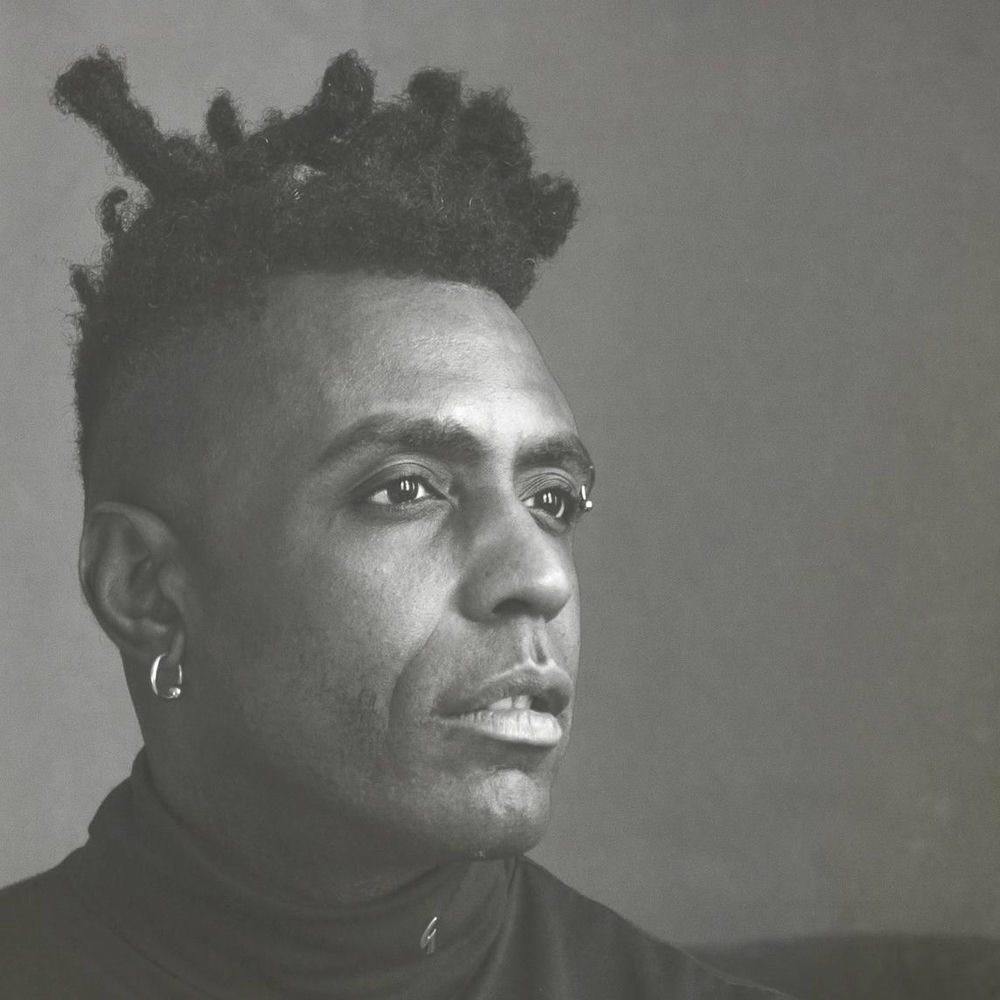
Omar
۳ هزار طرفدار
جدیدترینها


آخرین انتشارها

There's Much Love In The World (Joe Claussell Remix Radio Edit)
آخرین انتشار • تکآهنگ

Brighter The Days (The Remixes)
۲۰۲۶ • آلبوم

Pass It On
۲۰۲۶ • تکآهنگ

The Man (Fugi Roc for Funki Dred Productions Remix)
۲۰۲۶ • تکآهنگ





طرفداران اینها را هم گوش میدهند


درباره
۳٬۰۴۴ طرفدار
۳۲ انتشار • فعال از ۱۹۹۱
Umar ibn al-Khattab (Arabic: عُمَر بْن ٱلْخَطَّاب, romanized: ʿUmar ibn al-Khaṭṭāb; c. 584 CE – 6 November 644 CE) was the second Rashidun caliph, ruling from August 634 until his assassination in 644. He succeeded Abu Bakr (r. 632–634) and is regarded as a senior companion and father-in-law of the Islamic prophet Muhammad. Umar was initially opposed to Muhammad, a distant Qurayshite kinsman, even setting out to kill him with his sword. However, after a spiritual break, he converted to Islam in 616, becoming the first Muslim to pray openly in the Kaaba. He participated in nearly all of Muhammad's battles and expeditions, and Muhammad conferred upon him the title al-Fārūq ("the Distinguisher") for his sound judgement. After Muhammad's death in June 632, Umar pledged allegiance to Abu Bakr as the first caliph and served as his chief adviser. Shortly before his death in 634, Abu Bakr nominated Umar as his successor. During Umar's reign, the caliphate expanded at an unprecedented rate. His campaigns against the Sasanian Empire resulted in the rapid conquest of Persia within two years (642-644), and more than two-thirds of the Byzantine Empire. Umar was assassinated by the Persian slave Abu Lu'lu'a Firuz in 644. Umar is widely credited with expanding the Islamic world beyond Arabia and introducing the Hijri Calendar. Historians generally regard him as one of the most powerful and influential Muslim caliphs in history. Umar lifted the Christian ban on Jews entering Jerusalem and permitted them to worship there. In Sunni Islam, Umar is revered as a just ruler and a supreme model for Islamic virtues. In Shia Islam, however, he is viewed negatively.
ادامهی بیوگرافی
Umar ibn al-Khattab (Arabic: عُمَر بْن ٱلْخَطَّاب, romanized: ʿUmar ibn al-Khaṭṭāb; c. 584 CE – 6 November 644 CE) was the second Rashidun caliph, ruling from August 634 until his assassination in 644. He succeeded Abu Bakr (r. 632–634) and is regarded as a senior companion and father-in-law of the Islamic prophet Muhammad. Umar was initially opposed to Muhammad, a distant Qurayshite kinsman, even setting out to kill him with his sword. However, after a spiritual break, he converted to Islam in 616, becoming the first Muslim to pray openly in the Kaaba. He participated in nearly all of Muhammad's battles and expeditions, and Muhammad conferred upon him the title al-Fārūq ("the Distinguisher") for his sound judgement. After Muhammad's death in June 632, Umar pledged allegiance to Abu Bakr as the first caliph and served as his chief adviser. Shortly before his death in 634, Abu Bakr nominated Umar as his successor. During Umar's reign, the caliphate expanded at an unprecedented rate. His campaigns against the Sasanian Empire resulted in the rapid conquest of Persia within two years (642-644), and more than two-thirds of the Byzantine Empire. Umar was assassinated by the Persian slave Abu Lu'lu'a Firuz in 644. Umar is widely credited with expanding the Islamic world beyond Arabia and introducing the Hijri Calendar. Historians generally regard him as one of the most powerful and influential Muslim caliphs in history. Umar lifted the Christian ban on Jews entering Jerusalem and permitted them to worship there. In Sunni Islam, Umar is revered as a just ruler and a supreme model for Islamic virtues. In Shia Islam, however, he is viewed negatively.
منبع: ویکیپدیا