Oopart


Oopart
۲۷۰ طرفدار
جدیدترینها


آخرین انتشارها

Nadie lo pidió
آخرین انتشار • تکآهنگ

Asedio
۲۰۲۶ • تکآهنگ

NAPS
۲۰۲۶ • تکآهنگ

Mogadiscio 1992 (feat. KAZUSVELY)
۲۰۲۶ • تکآهنگ







درباره
۲۷۰ طرفدار
۲۰ انتشار • فعال از ۲۰۰۹
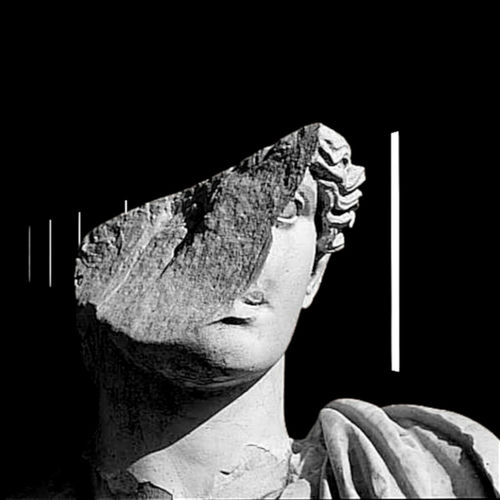
An out-of-place artifact (OOPArt or oopart) is an artifact of historical, archaeological, or paleontological interest to someone that is claimed to have been found in an unusual context, which someone claims to challenge conventional historical chronology by its presence in that context. Some people might think that those artifacts are too advanced for the technology known to have existed at the time, or that human presence existed at a time before humans are known to have existed. Other people might hypothesize about a contact between different cultures that is hard to account for with conventional historical understanding. This description of archaeological objects is used in fringe science such as cryptozoology, as well as by proponents of ancient astronaut theories, young Earth creationists, and paranormal enthusiasts. It can describe a wide variety of items, from anomalies studied by mainstream science to pseudoarchaeology to objects that have been shown to be hoaxes or to have conventional explanations. Critics argue that most purported OOPArts which are not hoaxes are the result of mistaken interpretation, objects being physically moved to another geographical point, or wishful thinking, such as a mistaken belief that a particular culture could not have created an artifact or technology due to a lack of knowledge or materials. In some cases, the uncertainty results from inaccurate descriptions. For example, the cuboid Wolfsegg Iron is not a perfect cube, nor are the Klerksdorp spheres perfect spheres. The Iron pillar of Delhi was said to be "rust proof", but it has some rust near its base; its relative resistance to corrosion is due to slag inclusions left over from the manufacturing conditions and environmental factors. Supporters of fringe archeology regard OOPArts as evidence that mainstream science is overlooking huge areas of knowledge, either willfully or through ignorance.
ادامهی بیوگرافی
An out-of-place artifact (OOPArt or oopart) is an artifact of historical, archaeological, or paleontological interest to someone that is claimed to have been found in an unusual context, which someone claims to challenge conventional historical chronology by its presence in that context. Some people might think that those artifacts are too advanced for the technology known to have existed at the time, or that human presence existed at a time before humans are known to have existed. Other people might hypothesize about a contact between different cultures that is hard to account for with conventional historical understanding. This description of archaeological objects is used in fringe science such as cryptozoology, as well as by proponents of ancient astronaut theories, young Earth creationists, and paranormal enthusiasts. It can describe a wide variety of items, from anomalies studied by mainstream science to pseudoarchaeology to objects that have been shown to be hoaxes or to have conventional explanations. Critics argue that most purported OOPArts which are not hoaxes are the result of mistaken interpretation, objects being physically moved to another geographical point, or wishful thinking, such as a mistaken belief that a particular culture could not have created an artifact or technology due to a lack of knowledge or materials. In some cases, the uncertainty results from inaccurate descriptions. For example, the cuboid Wolfsegg Iron is not a perfect cube, nor are the Klerksdorp spheres perfect spheres. The Iron pillar of Delhi was said to be "rust proof", but it has some rust near its base; its relative resistance to corrosion is due to slag inclusions left over from the manufacturing conditions and environmental factors. Supporters of fringe archeology regard OOPArts as evidence that mainstream science is overlooking huge areas of knowledge, either willfully or through ignorance.
منبع: ویکیپدیا