Peter Ustinov

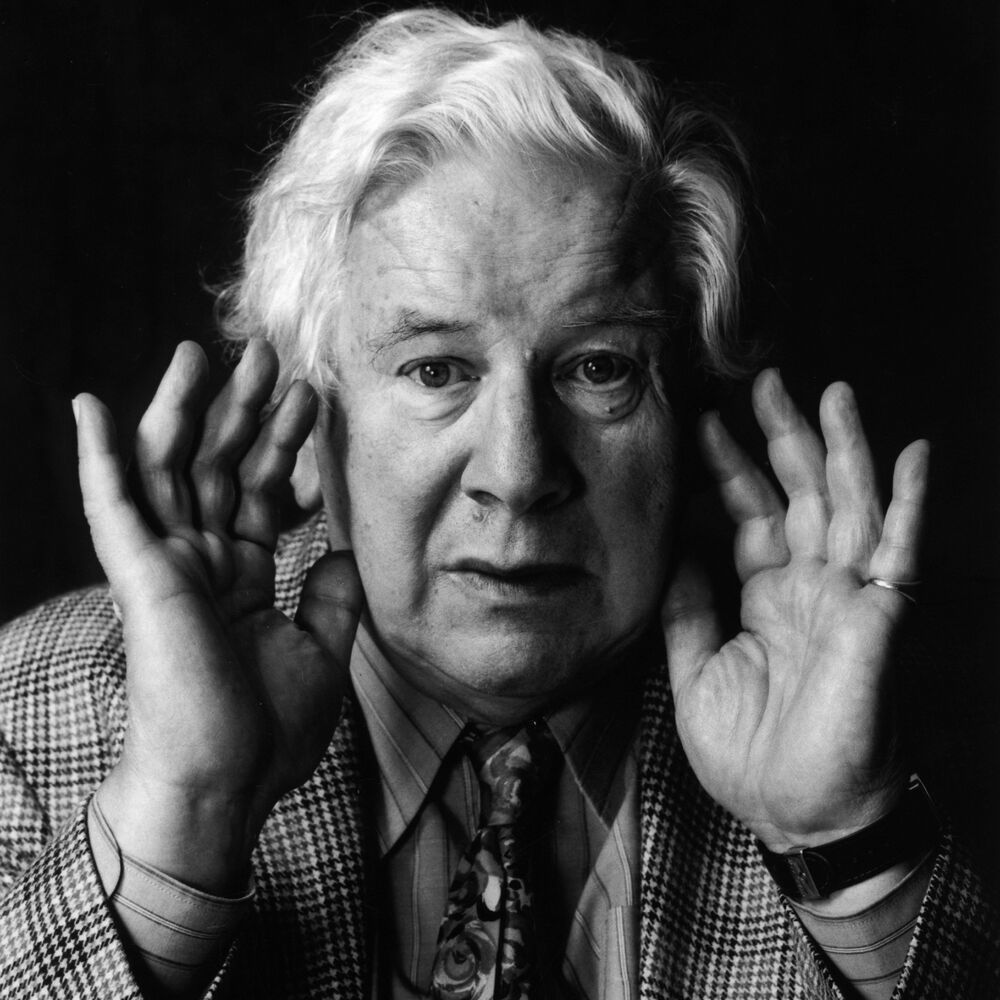
Peter Ustinov
۱۰۱ طرفدار
جدیدترینها

An Evening with Peter Ustinov, Pt. 1
An Evening with Peter Ustinov, Pt. 2
Mock Mozart
Phoney Folk-Lore

L'Histoire de Babar, le petit éléphant, FP 129 : Poulenc: L'Histoire de Babar, le petit éléphant, FP 129: No. 2, Dans la grande forêt (Live)
آخرین انتشارها

An Evening with Peter Ustinov
آخرین انتشار • آلبوم
Peter Ustinov (His Voice and his Noises): Mock Mozart & Phoney Folk-Lore
۲۰۲۴ • تکآهنگ

Storytellers
۲۰۲۳ • آلبوم
Strauss: Der Bürger als Edelmann
۲۰۲۱ • آلبوم


طرفداران اینها را هم گوش میدهند

Micky Maus
خواننده

Andreas H. Schmachtl
خواننده

Klaus-Peter Wolf
خواننده

Die Nordseedetektive
خواننده

Das Haus Anubis
خواننده

Peterchens Mondfahrt
خواننده

Die Ampelmännchen
خواننده

Todster
خواننده

Lernen & Studieren Buchgemeinschaft
خواننده

Traumreisen für Kinder
خواننده

Lenny Hunter
خواننده

Entspannung für Hunde
خواننده
درباره
۱۰۱ طرفدار
۲۷ انتشار • فعال از ۱۹۶۳
Sir Peter Alexander Ustinov ( OO-stin-ov; 16 April 1921 – 28 March 2004) was a British actor, writer and humanitarian. An internationally known raconteur, he was a fixture on television talk shows and lecture circuits for much of his career. Ustinov received numerous accolades including two Academy Awards, three Primetime Emmy Awards, a Golden Globe Award, a Silver Bear, a Laurel Award, a Photoplay Award and a Grammy Award, as well as nominations for three BAFTAs, two Tony Awards, two Laurence Olivier Awards and a Gemini Award. In 1992, Ustinov was awarded with the British Academy Britannia Award. Ustinov received two Academy Awards for Best Supporting Actor for his roles in Spartacus (1960), and Topkapi (1964). He also starred in notable films such as Quo Vadis (1951), The Sundowners (1960), Billy Budd (1962), and Hot Millions (1968). He voiced Prince John and King Richard in the Walt Disney Animated film Robin Hood (1973), and portrayed Agatha Christie's fictional detective Hercule Poirot six times for both film and television. Ustinov also displayed a unique cultural versatility which frequently earned him the accolade of a Renaissance man. Miklós Rózsa, composer of the music for Quo Vadis and of numerous concert works, dedicated his String Quartet No. 1, Op. 22 (1950) to Ustinov. An intellectual and diplomat, Ustinov held various academic posts, and served as a goodwill ambassador for UNICEF and president of the World Federalist Movement (WFM). In 2003, Durham University changed the name of its Graduate Society to Ustinov College, in honour of the significant contributions Ustinov had made as chancellor of the university from 1992 until his death.
ادامهی بیوگرافی
Sir Peter Alexander Ustinov ( OO-stin-ov; 16 April 1921 – 28 March 2004) was a British actor, writer and humanitarian. An internationally known raconteur, he was a fixture on television talk shows and lecture circuits for much of his career. Ustinov received numerous accolades including two Academy Awards, three Primetime Emmy Awards, a Golden Globe Award, a Silver Bear, a Laurel Award, a Photoplay Award and a Grammy Award, as well as nominations for three BAFTAs, two Tony Awards, two Laurence Olivier Awards and a Gemini Award. In 1992, Ustinov was awarded with the British Academy Britannia Award. Ustinov received two Academy Awards for Best Supporting Actor for his roles in Spartacus (1960), and Topkapi (1964). He also starred in notable films such as Quo Vadis (1951), The Sundowners (1960), Billy Budd (1962), and Hot Millions (1968). He voiced Prince John and King Richard in the Walt Disney Animated film Robin Hood (1973), and portrayed Agatha Christie's fictional detective Hercule Poirot six times for both film and television. Ustinov also displayed a unique cultural versatility which frequently earned him the accolade of a Renaissance man. Miklós Rózsa, composer of the music for Quo Vadis and of numerous concert works, dedicated his String Quartet No. 1, Op. 22 (1950) to Ustinov. An intellectual and diplomat, Ustinov held various academic posts, and served as a goodwill ambassador for UNICEF and president of the World Federalist Movement (WFM). In 2003, Durham University changed the name of its Graduate Society to Ustinov College, in honour of the significant contributions Ustinov had made as chancellor of the university from 1992 until his death.
منبع: ویکیپدیا