Riblja čorba


Riblja čorba
۷۲٫۹ هزار طرفدار
جدیدترینها

Ja ću da pevam (Live)
Lud Sto Posto (Live)
Kako Je Lepo Biti Glup

Zelena trava doma mog
Tamna je noć
آخرین انتشارها

Belgrade Beer Fest (Live 29.8.2025.)
آخرین انتشار • آلبوم
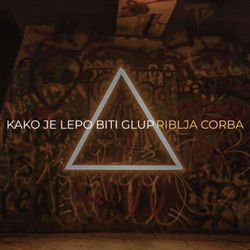
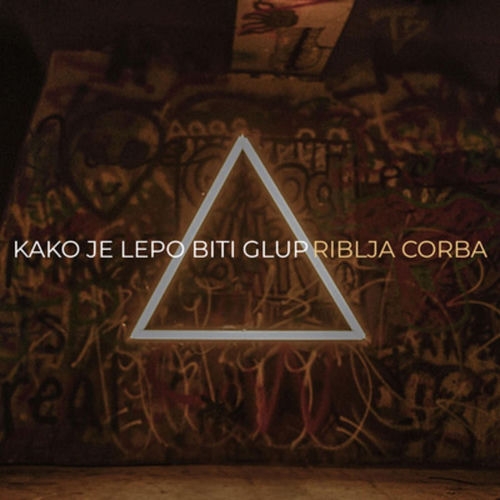
Kako Je Lepo Biti Glup
۲۰۲۵ • تکآهنگ

Zbogom Srbijo
۲۰۲۴ • آلبوم

Riblja Corba Najveci Hitovi
۲۰۲۴ • آلبوم



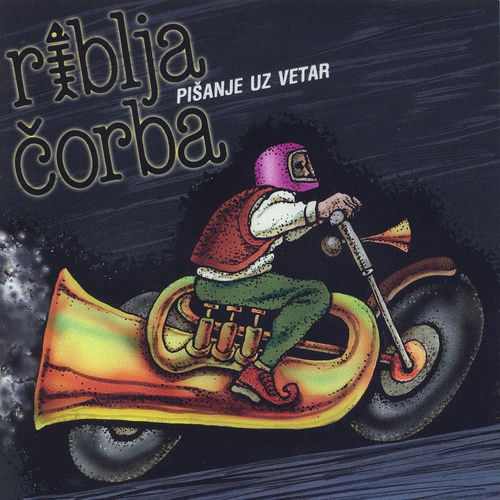


طرفداران اینها را هم گوش میدهند


درباره
۷۲٬۸۹۹ طرفدار
۴۹ انتشار • فعال از ۱۹۷۹
Riblja Čorba (Serbian Cyrillic: Рибља Чорба, pronounced [rîbʎaː tʃǒːrba]; lit. 'Fish Stew') was a Serbian and former Yugoslav rock band formed in Belgrade in 1978. The band has been one of the most popular and most influential acts of the Yugoslav and Serbian rock scene. Riblja Čorba was formed in 1978 by former Zajedno, Rani Mraz and Suncokret member Borisav "Bora" Đorđević (vocals) and the members of the band SOS, Radislav "Rajko" Kojić (guitar), Miroslav "Miša" Aleksić (bass guitar) and Miroslav "Vicko" Milatović (drums). Their debut release, the single "Lutka sa naslovne strane" (1978), saw huge success and launched them to fame. They were soon joined by guitarist Momčilo Bajagić "Bajaga", the new lineup releasing the album Kost u grlu (1979), which was, due to their gritty hard rock sound and Đorđević's social-related lyrics, a huge commercial and critical success. Their following releases, Pokvarena mašta i prljave strasti (1981), Mrtva priroda (1981) and Buvlja pijaca (1982) launched them to the top of the Yugoslav rock scene; their works were praised for composition, musicianship, production and especially Đorđević's provocative social- and political-related lyrics, which were praised by the critics and often caused media scandals. In the mid-1980s, the band saw a slight decline in popularity, but made a triumphant comeback with the album Istina (1985), recorded with the new guitar duo, Vidoja "Džindžer" Božinović and Nikola Čuturilo. Until the end of the decade and the breakup of Yugoslavia, the band managed to sustain their popularity, but after the beginning of Yugoslav Wars it heavily declined in Croatia and Bosnia and Herzegovina, due to Đorđević's support for Serbian nationalism. However, Đorđević also opposed the regime of Slobodan Milošević, demonstrating his attitude on the albums Riblja Čorba recorded during the 1990s, which were often banned in state-owned media.
ادامهی بیوگرافی
Riblja Čorba (Serbian Cyrillic: Рибља Чорба, pronounced [rîbʎaː tʃǒːrba]; lit. 'Fish Stew') was a Serbian and former Yugoslav rock band formed in Belgrade in 1978. The band has been one of the most popular and most influential acts of the Yugoslav and Serbian rock scene. Riblja Čorba was formed in 1978 by former Zajedno, Rani Mraz and Suncokret member Borisav "Bora" Đorđević (vocals) and the members of the band SOS, Radislav "Rajko" Kojić (guitar), Miroslav "Miša" Aleksić (bass guitar) and Miroslav "Vicko" Milatović (drums). Their debut release, the single "Lutka sa naslovne strane" (1978), saw huge success and launched them to fame. They were soon joined by guitarist Momčilo Bajagić "Bajaga", the new lineup releasing the album Kost u grlu (1979), which was, due to their gritty hard rock sound and Đorđević's social-related lyrics, a huge commercial and critical success. Their following releases, Pokvarena mašta i prljave strasti (1981), Mrtva priroda (1981) and Buvlja pijaca (1982) launched them to the top of the Yugoslav rock scene; their works were praised for composition, musicianship, production and especially Đorđević's provocative social- and political-related lyrics, which were praised by the critics and often caused media scandals. In the mid-1980s, the band saw a slight decline in popularity, but made a triumphant comeback with the album Istina (1985), recorded with the new guitar duo, Vidoja "Džindžer" Božinović and Nikola Čuturilo. Until the end of the decade and the breakup of Yugoslavia, the band managed to sustain their popularity, but after the beginning of Yugoslav Wars it heavily declined in Croatia and Bosnia and Herzegovina, due to Đorđević's support for Serbian nationalism. However, Đorđević also opposed the regime of Slobodan Milošević, demonstrating his attitude on the albums Riblja Čorba recorded during the 1990s, which were often banned in state-owned media.
منبع: ویکیپدیا