Shakta


Shakta
۵۶۶ طرفدار
جدیدترینها



آخرین انتشارها

Awakening
آخرین انتشار • تکآهنگ
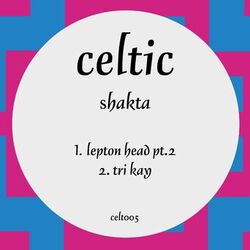
Lepton Head Pt. 2 / Tri Kay
۲۰۲۴ • تکآهنگ

Any Old Irony
۲۰۲۰ • آلبوم

Lepton Head (Shanti v Deedrah Remix)
۲۰۲۰ • تکآهنگ





طرفداران اینها را هم گوش میدهند


درباره
۵۶۶ طرفدار
۱۰ انتشار • فعال از ۱۹۹۷
Shaktism (Sanskrit: शाक्तसम्प्रदायः, romanised: Śāktasampradāyaḥ) is a major Hindu denomination in which Shakti or the divine feminine energy is revered as the Ultimate reality, and is personified as Ādi Parāshakti (Great Goddess), whose numerous forms, with each having distinct functions and unique attributes, are worshipped. The most prominently worshiped goddesses include Tripura Sundari, who vanquishes evil and restores cosmic order; Parvati, the gentle yet powerful mother goddess of fertility and devotion; and Kali, the primal force of time and transformation. Additionally, Shaktism reveres a broader pantheon, including goddesses like Saraswati, the goddess of knowledge, wisdom, and arts; Lakshmi, the goddess of wealth and prosperity; and Tripura Sundari, the goddess of beauty and grace. Also honoured are the various Gramadevata (local village guardian deities), who protect and bless their communities. Following the decline of Buddhism in India, elements of Hindu and Buddhist goddess worship gradually merged, culminating in the emergence of the Mahavidya, a revered group of ten fierce and esoteric goddesses central to the tantric traditions within Shaktism. The Sruti and Smriti texts of Hinduism form an important scriptural framework in Shaktism. Scriptures such as the Devi Mahatmya, Devi-Bhagavata Purana, Kalika Purana, and Shakta Upanishads like the Devi Upanishad are revered. In Shaktism, the Devi Mahatmya is considered to be as important as the Bhagavad Gita. The Devi (Shakti) is revered in many Hindu temples and worshipped during a number of Hindu festivals. The goddess-focused tradition and its festivals, such as the Durga Puja, are very popular in eastern India. North Malabar, Kashmir, Bengal, and Tripura are the regions in India where Shaktism was historically worshipped in its core and most distinctive form. In 1909, Edgar Thurston wrote that in North Malabar, the Thiyyar are the primary practitioners of Shaktism (Shaktheyam).
ادامهی بیوگرافی
Shaktism (Sanskrit: शाक्तसम्प्रदायः, romanised: Śāktasampradāyaḥ) is a major Hindu denomination in which Shakti or the divine feminine energy is revered as the Ultimate reality, and is personified as Ādi Parāshakti (Great Goddess), whose numerous forms, with each having distinct functions and unique attributes, are worshipped. The most prominently worshiped goddesses include Tripura Sundari, who vanquishes evil and restores cosmic order; Parvati, the gentle yet powerful mother goddess of fertility and devotion; and Kali, the primal force of time and transformation. Additionally, Shaktism reveres a broader pantheon, including goddesses like Saraswati, the goddess of knowledge, wisdom, and arts; Lakshmi, the goddess of wealth and prosperity; and Tripura Sundari, the goddess of beauty and grace. Also honoured are the various Gramadevata (local village guardian deities), who protect and bless their communities. Following the decline of Buddhism in India, elements of Hindu and Buddhist goddess worship gradually merged, culminating in the emergence of the Mahavidya, a revered group of ten fierce and esoteric goddesses central to the tantric traditions within Shaktism. The Sruti and Smriti texts of Hinduism form an important scriptural framework in Shaktism. Scriptures such as the Devi Mahatmya, Devi-Bhagavata Purana, Kalika Purana, and Shakta Upanishads like the Devi Upanishad are revered. In Shaktism, the Devi Mahatmya is considered to be as important as the Bhagavad Gita. The Devi (Shakti) is revered in many Hindu temples and worshipped during a number of Hindu festivals. The goddess-focused tradition and its festivals, such as the Durga Puja, are very popular in eastern India. North Malabar, Kashmir, Bengal, and Tripura are the regions in India where Shaktism was historically worshipped in its core and most distinctive form. In 1909, Edgar Thurston wrote that in North Malabar, the Thiyyar are the primary practitioners of Shaktism (Shaktheyam).
منبع: ویکیپدیا