SMILY

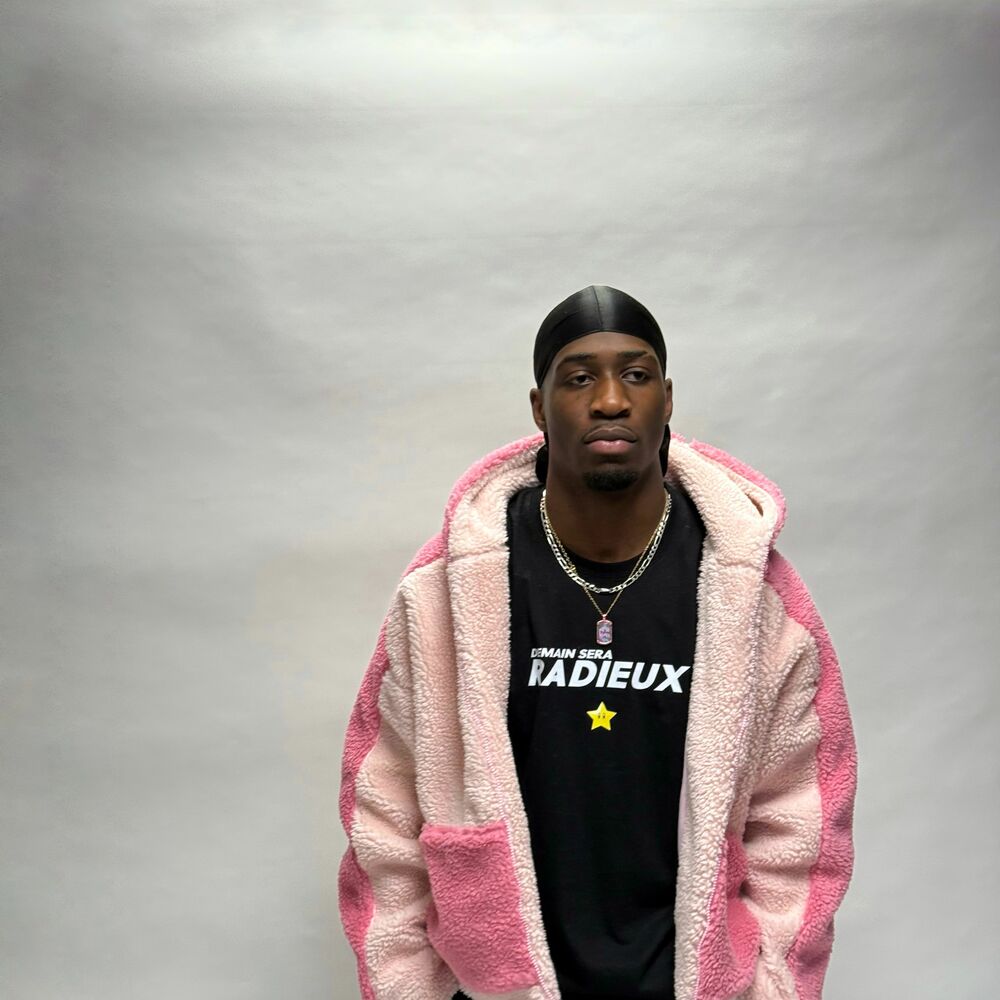
SMILY
۱۱٫۸ هزار طرفدار
جدیدترینها


آخرین انتشارها

Rien changer
آخرین انتشار • تکآهنگ

Mexicana
۲۰۲۶ • تکآهنگ

Kerosene
۲۰۲۶ • تکآهنگ

300 vues
۲۰۲۶ • تکآهنگ


طرفداران اینها را هم گوش میدهند


درباره
۱۱٬۸۲۷ طرفدار
۳۵ انتشار • فعال از ۲۰۱۸
A smiley, also known as a smiley face, is a basic ideogram representing a smiling face. Since the 1950s, it has become part of popular culture worldwide, used either as a standalone ideogram or as a form of communication, such as emoticons. The smiley began as two dots and a line representing eyes and a mouth. More elaborate designs emerged in the 1950s, featuring noses, eyebrows, and outlines. New York radio station WMCA used a yellow and black design for its "Good Guys!" campaign in the early 1960s. More yellow-and-black designs appeared in the 1960s and 1970s, including works by Harvey Ross Ball in 1963, and Franklin Loufrani in 1971. The Smiley Company, founded by Franklin Loufrani, claims to hold the rights to a version of the smiley face in over 100 countries. It has become one of the top 100 licensing companies globally. There was a widespread "smile face" fad in the United States in 1971. A July 1971 Asbury Park Press report described the happy face as a nationwide craze, noting that retailers were stocking dozens of products from many different manufacturers, that no one held a trademark, and that the design’s origins were unclear, with some attributing it to earlier WMCA “Good Guys” sweatshirts. The Associated Press (AP) ran a wirephoto showing Joy P. Young and Harvey Ball holding the design of the smiley and reported on September 11, 1971, that “two affiliated insurance companies” credited Harvey Ball with designing the symbol in 1963, while Bernard and Murray Spain claimed credit for introducing it to the market. This referred to the Worcester Mutual Fire Insurance Company of America and the Guarantee Mutual Assurance Company of America, whose 1963 "Smile Power" campaign first distributed smiley buttons to employees. In October 1971, Loufrani trademarked his design in France while working as a journalist for the French newspaper France-Soir.
ادامهی بیوگرافی
A smiley, also known as a smiley face, is a basic ideogram representing a smiling face. Since the 1950s, it has become part of popular culture worldwide, used either as a standalone ideogram or as a form of communication, such as emoticons. The smiley began as two dots and a line representing eyes and a mouth. More elaborate designs emerged in the 1950s, featuring noses, eyebrows, and outlines. New York radio station WMCA used a yellow and black design for its "Good Guys!" campaign in the early 1960s. More yellow-and-black designs appeared in the 1960s and 1970s, including works by Harvey Ross Ball in 1963, and Franklin Loufrani in 1971. The Smiley Company, founded by Franklin Loufrani, claims to hold the rights to a version of the smiley face in over 100 countries. It has become one of the top 100 licensing companies globally. There was a widespread "smile face" fad in the United States in 1971. A July 1971 Asbury Park Press report described the happy face as a nationwide craze, noting that retailers were stocking dozens of products from many different manufacturers, that no one held a trademark, and that the design’s origins were unclear, with some attributing it to earlier WMCA “Good Guys” sweatshirts. The Associated Press (AP) ran a wirephoto showing Joy P. Young and Harvey Ball holding the design of the smiley and reported on September 11, 1971, that “two affiliated insurance companies” credited Harvey Ball with designing the symbol in 1963, while Bernard and Murray Spain claimed credit for introducing it to the market. This referred to the Worcester Mutual Fire Insurance Company of America and the Guarantee Mutual Assurance Company of America, whose 1963 "Smile Power" campaign first distributed smiley buttons to employees. In October 1971, Loufrani trademarked his design in France while working as a journalist for the French newspaper France-Soir.
منبع: ویکیپدیا