Stirling


Stirling
۱۴۷ طرفدار
جدیدترینها




آخرین انتشارها

cut/here
آخرین انتشار • تکآهنگ
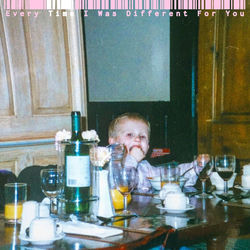
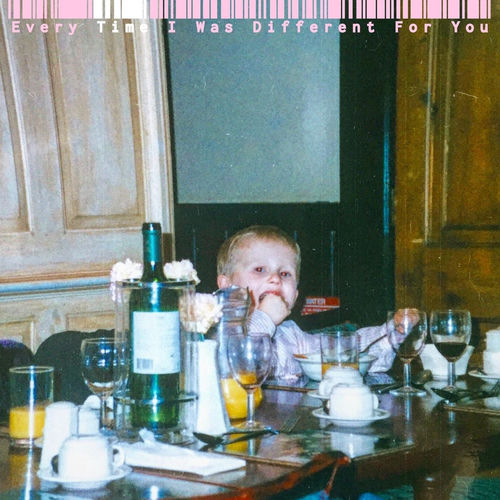
Every Time I Was Different For You
۲۰۲۶ • تکآهنگ

blasphemy įCON6000
۲۰۲۶ • تکآهنگ

Tonguetied (Alternate Mix)
۲۰۲۶ • تکآهنگ





درباره
۱۴۷ طرفدار
۶۰ انتشار • فعال از ۲۰۰۴
Stirling is a city in central Scotland, 26 miles (42 km) north-east of Glasgow and 37 miles (60 km) north-west of Edinburgh. The city is surrounded by rich farmland and had a royal citadel, the medieval old town with its merchants and tradesmen, the Old Bridge and the port are all linked to its history. Situated on the River Forth, Stirling is the administrative centre for the Stirling council area, and is traditionally the county town and historic county of Stirlingshire. Stirling's key position as the lowest bridging point of the River Forth before it broadens towards the Firth of Forth made it a focal point for travel north or south. It has been said that "Stirling, like a huge brooch clasps Highlands and Lowlands together". The city's status as "Gateway to the Highlands" also historically lent it great strategic importance—the credo "he who holds Stirling, holds Scotland" is sometimes attributed to Robert the Bruce. When Stirling was temporarily under Anglo-Saxon sway, according to a 9th-century legend, it was attacked by Danish invaders. The sound of a wolf roused a sentry, however, who alerted his garrison, which forced a Viking retreat. This led to the wolf being adopted as a symbol of the town as is shown on the 1511 Stirling Jug. The area is today known as Wolfcraig. Even today the wolf appears with a goshawk on the council's coat of arms along with the recently chosen motto: "Steadfast as the Rock". Once the capital of Scotland, Stirling is visually dominated by Stirling Castle. Stirling also has a medieval parish church, the Church of the Holy Rude, where, on 29 July 1567, the infant James VI was anointed King of Scots by Adam Bothwell, the Bishop of Orkney, with the service concluding after a sermon by John Knox. The poet King was educated by George Buchanan and grew up in Stirling. He was later also crowned King of England and Ireland on 25 July 1603, bringing closer the countries of the United Kingdom.
ادامهی بیوگرافی
Stirling is a city in central Scotland, 26 miles (42 km) north-east of Glasgow and 37 miles (60 km) north-west of Edinburgh. The city is surrounded by rich farmland and had a royal citadel, the medieval old town with its merchants and tradesmen, the Old Bridge and the port are all linked to its history. Situated on the River Forth, Stirling is the administrative centre for the Stirling council area, and is traditionally the county town and historic county of Stirlingshire. Stirling's key position as the lowest bridging point of the River Forth before it broadens towards the Firth of Forth made it a focal point for travel north or south. It has been said that "Stirling, like a huge brooch clasps Highlands and Lowlands together". The city's status as "Gateway to the Highlands" also historically lent it great strategic importance—the credo "he who holds Stirling, holds Scotland" is sometimes attributed to Robert the Bruce. When Stirling was temporarily under Anglo-Saxon sway, according to a 9th-century legend, it was attacked by Danish invaders. The sound of a wolf roused a sentry, however, who alerted his garrison, which forced a Viking retreat. This led to the wolf being adopted as a symbol of the town as is shown on the 1511 Stirling Jug. The area is today known as Wolfcraig. Even today the wolf appears with a goshawk on the council's coat of arms along with the recently chosen motto: "Steadfast as the Rock". Once the capital of Scotland, Stirling is visually dominated by Stirling Castle. Stirling also has a medieval parish church, the Church of the Holy Rude, where, on 29 July 1567, the infant James VI was anointed King of Scots by Adam Bothwell, the Bishop of Orkney, with the service concluding after a sermon by John Knox. The poet King was educated by George Buchanan and grew up in Stirling. He was later also crowned King of England and Ireland on 25 July 1603, bringing closer the countries of the United Kingdom.
منبع: ویکیپدیا