Sweet


Sweet
۵۲٫۵ هزار طرفدار
جدیدترینها



آخرین انتشارها

Singles 1968/1969
آخرین انتشار • EP

Hannover Sessions
۲۰۲۵ • آلبوم

Circus
۲۰۲۵ • تکآهنگ
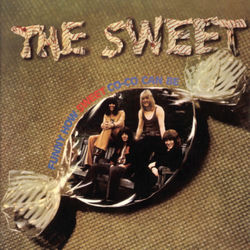
Funny Funny, How Sweet Co Co Can Be
۲۰۲۴ • آلبوم








طرفداران اینها را هم گوش میدهند


درباره
۵۲٬۴۵۰ طرفدار
۶۱ انتشار • فعال از ۱۹۷۱
Sweetness is a basic taste most commonly perceived when eating foods rich in sugar. Sweet tastes are generally regarded as pleasurable. In addition to sugars like sucrose, many other chemical compounds are sweet, including aldehydes, ketones, and sugar alcohols. Some are sweet at very low concentrations, allowing their use as non-caloric sugar substitutes. Such non-sugar sweeteners include saccharin, aspartame, sucralose and stevia. Other compounds, such as miraculin, may alter perception of sweetness itself. Sweetness is one of the five basic taste qualities and it mostly involves foods with sugars. It is known to be enjoyable and it is an important factor for food choices across cultures. In addition to sugars like sucrose, there are many other organic and inorganic compounds that bring out a sweet taste, including aldehydes, ketones, amino acids, and other artificial sweeteners. Sweetness recognition in our bodies plays an important role in energy control and evolutionary behavior. New research has proven that sweetness does not only involve taste receptors on the tongue but includes metabolic sensing, gut brain signaling, and post-ingestive rewards. The perceived intensity of sugars and high-potency sweeteners, such as aspartame and neohesperidin dihydrochalcone, are heritable, with gene effect accounting for approximately 30% of the variation. The chemosensory basis for detecting sweetness, which varies between both individuals and species, has only begun to be understood since the late 20th century. One theoretical model of sweetness is the multipoint attachment theory, which involves multiple binding sites between a sweetness receptor and a sweet substance. Newborn human infants also demonstrate preferences for high sugar concentrations and prefer solutions that are sweeter than lactose, the sugar found in breast milk. Sweetness appears to have the highest taste recognition threshold, being detectable at around 1 part in 200 of sucrose in solution.
ادامهی بیوگرافی
Sweetness is a basic taste most commonly perceived when eating foods rich in sugar. Sweet tastes are generally regarded as pleasurable. In addition to sugars like sucrose, many other chemical compounds are sweet, including aldehydes, ketones, and sugar alcohols. Some are sweet at very low concentrations, allowing their use as non-caloric sugar substitutes. Such non-sugar sweeteners include saccharin, aspartame, sucralose and stevia. Other compounds, such as miraculin, may alter perception of sweetness itself. Sweetness is one of the five basic taste qualities and it mostly involves foods with sugars. It is known to be enjoyable and it is an important factor for food choices across cultures. In addition to sugars like sucrose, there are many other organic and inorganic compounds that bring out a sweet taste, including aldehydes, ketones, amino acids, and other artificial sweeteners. Sweetness recognition in our bodies plays an important role in energy control and evolutionary behavior. New research has proven that sweetness does not only involve taste receptors on the tongue but includes metabolic sensing, gut brain signaling, and post-ingestive rewards. The perceived intensity of sugars and high-potency sweeteners, such as aspartame and neohesperidin dihydrochalcone, are heritable, with gene effect accounting for approximately 30% of the variation. The chemosensory basis for detecting sweetness, which varies between both individuals and species, has only begun to be understood since the late 20th century. One theoretical model of sweetness is the multipoint attachment theory, which involves multiple binding sites between a sweetness receptor and a sweet substance. Newborn human infants also demonstrate preferences for high sugar concentrations and prefer solutions that are sweeter than lactose, the sugar found in breast milk. Sweetness appears to have the highest taste recognition threshold, being detectable at around 1 part in 200 of sucrose in solution.
منبع: ویکیپدیا