Tripton


Tripton
۱۳ طرفدار
جدیدترینها



آخرین انتشارها

Release You
آخرین انتشار • تکآهنگ

Lost Tapes
۲۰۲۵ • آلبوم

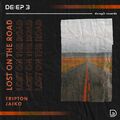
Lost on the Road
۲۰۲۵ • تکآهنگ

Take Me Home
۲۰۲۴ • تکآهنگ


درباره
۱۳ طرفدار
۳۴ انتشار • فعال از ۲۰۲۲
Seston (from Ancient Greek: σηστόν, romanized: sēstón, lit. 'that which is sifted') refers to the particles suspended in bodies of water, such as oceans, lakes, and rivers. Small particles of seston may be formed by the breaking down of larger particles amidst the crashing of waves, mixing of water currents, or slow disintegration. The organic constituents of seston include plankton and detritus from decomposing organisms; the inorganic components of seston are of mineral origin, essentially particles of mud suspended in the water column. Seston is used by many species in their day-to-day activities. Some examples are barnacles, mussels, scallops, corals, sea anemones, sea squirts, and sea cucumbers. Suspension feeders and filter feeders like whales also rely on seston as a food source. Nutrient-rich seston particles can support the local ecosystem by providing nutrition to organisms. The higher the amount of organic matter in the seston, the more nutritious it is for the suspension feeders who count on seston as a food source. Many of these animals have adapted to be able to eat both organic and inorganic seston. Animals that eat seston also have to adapt because the seston is not always present or may have periods of time when it is less nutritious. They adapt by eating more when it is there or by storing it to eat later when it would otherwise be unavailable. Studies of rivers have shown that downstream seston is more nutritious than it is upstream. While seston is necessary for many animals and in many ecosystems, it can also be harmful in large quantities. Sometimes human activities like fishing and farming that generate nutrient-rich surface runoff can make the presence of organic seston increase dramatically. This sudden increase can destabilize the ecosystem if there are not enough organisms that eat that seston to make up for the increase.
ادامهی بیوگرافی
Seston (from Ancient Greek: σηστόν, romanized: sēstón, lit. 'that which is sifted') refers to the particles suspended in bodies of water, such as oceans, lakes, and rivers. Small particles of seston may be formed by the breaking down of larger particles amidst the crashing of waves, mixing of water currents, or slow disintegration. The organic constituents of seston include plankton and detritus from decomposing organisms; the inorganic components of seston are of mineral origin, essentially particles of mud suspended in the water column. Seston is used by many species in their day-to-day activities. Some examples are barnacles, mussels, scallops, corals, sea anemones, sea squirts, and sea cucumbers. Suspension feeders and filter feeders like whales also rely on seston as a food source. Nutrient-rich seston particles can support the local ecosystem by providing nutrition to organisms. The higher the amount of organic matter in the seston, the more nutritious it is for the suspension feeders who count on seston as a food source. Many of these animals have adapted to be able to eat both organic and inorganic seston. Animals that eat seston also have to adapt because the seston is not always present or may have periods of time when it is less nutritious. They adapt by eating more when it is there or by storing it to eat later when it would otherwise be unavailable. Studies of rivers have shown that downstream seston is more nutritious than it is upstream. While seston is necessary for many animals and in many ecosystems, it can also be harmful in large quantities. Sometimes human activities like fishing and farming that generate nutrient-rich surface runoff can make the presence of organic seston increase dramatically. This sudden increase can destabilize the ecosystem if there are not enough organisms that eat that seston to make up for the increase.
منبع: ویکیپدیا