Truth

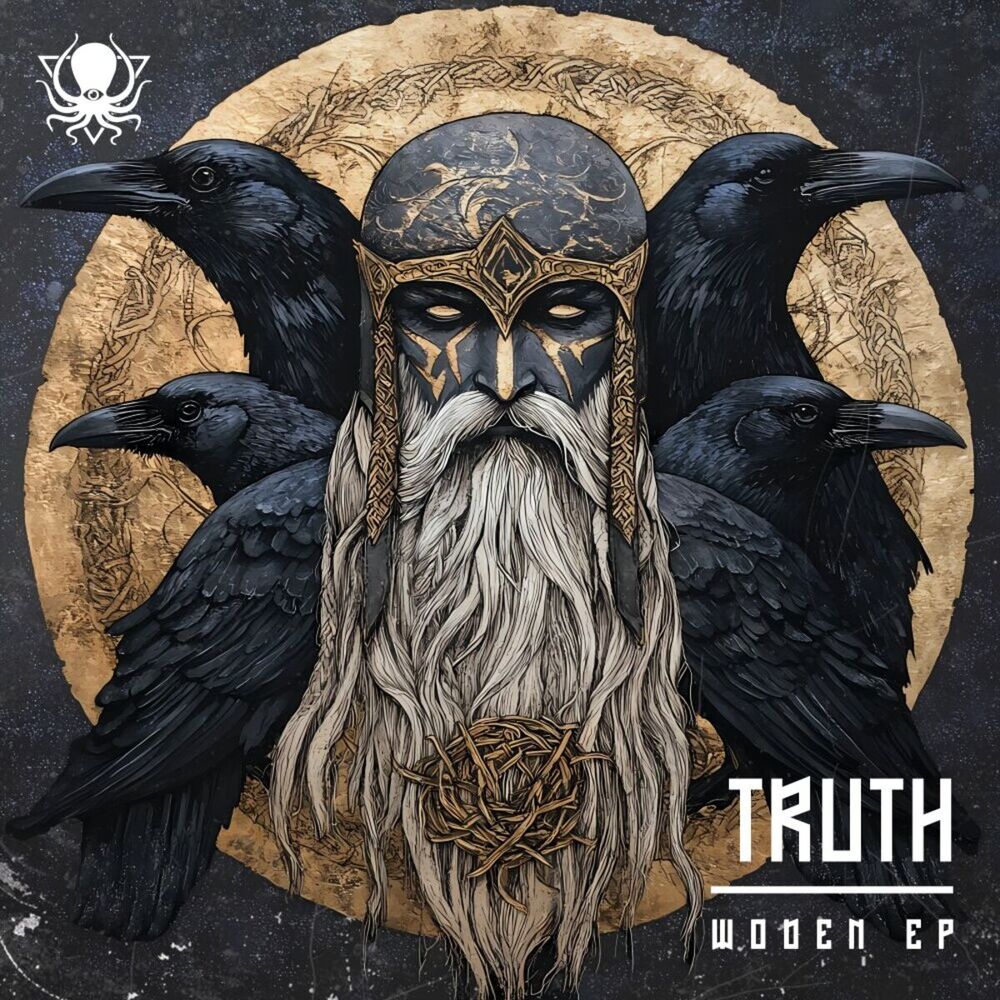
Truth
۵٫۴ هزار طرفدار
جدیدترینها


آخرین انتشارها

Area Farda
آخرین انتشار • تکآهنگ

L'Inganno
۲۰۲۶ • تکآهنگ

YOU ANNOYING
۲۰۲۶ • تکآهنگ

无从诉说从前
۲۰۲۶ • تکآهنگ





درباره
۵٬۳۹۵ طرفدار
۴۱۳ انتشار • فعال از ۱۹۸۰
Truth is commonly understood as conformity to reality or fact. It contrasts with falsity or misrepresentation that fails to align with the world. Truth is typically treated as a property of sentences, propositions, or beliefs that describe things as they are. It is closely related to truthfulness, a virtue associated with honesty, and to truthlikeness, a characteristic of theories that approximate the truth. Various theories of the nature of truth have been proposed, but its precise definition remains contested. The correspondence theory holds that a statement is true if it corresponds to facts. According to the coherence theory, a belief is true if it is consistent with other beliefs and supported by them. Pragmatists understand truth based on practical consequences and inquiry, claiming that truth is what works or what would withstand the test of unlimited inquiry. The semantic theory analyzes truth in terms of the conditions under which a sentence would be true. Deflationary theories argue that truth has no significant intrinsic nature, holding that to understand the concept of truth is merely to understand the linguistic role of the word true and similar expressions. Pluralists assert that the definition of truth varies with the domain of analysis, while relativists maintain that the same statement can be true in one perspective and false in another. Theories of truth are challenged by logical paradoxes, such as the liar paradox. There are also discussions about the existence of additional truth values besides true and false and about the possibility of truth value gaps—statements that have no truth value. Philosophers distinguish types of truth by domain, content, and epistemic access, including a priori, necessary, moral, aesthetic, religious, and scientific truths. Truth plays a central role in the sciences as a goal of inquiry.
ادامهی بیوگرافی
Truth is commonly understood as conformity to reality or fact. It contrasts with falsity or misrepresentation that fails to align with the world. Truth is typically treated as a property of sentences, propositions, or beliefs that describe things as they are. It is closely related to truthfulness, a virtue associated with honesty, and to truthlikeness, a characteristic of theories that approximate the truth. Various theories of the nature of truth have been proposed, but its precise definition remains contested. The correspondence theory holds that a statement is true if it corresponds to facts. According to the coherence theory, a belief is true if it is consistent with other beliefs and supported by them. Pragmatists understand truth based on practical consequences and inquiry, claiming that truth is what works or what would withstand the test of unlimited inquiry. The semantic theory analyzes truth in terms of the conditions under which a sentence would be true. Deflationary theories argue that truth has no significant intrinsic nature, holding that to understand the concept of truth is merely to understand the linguistic role of the word true and similar expressions. Pluralists assert that the definition of truth varies with the domain of analysis, while relativists maintain that the same statement can be true in one perspective and false in another. Theories of truth are challenged by logical paradoxes, such as the liar paradox. There are also discussions about the existence of additional truth values besides true and false and about the possibility of truth value gaps—statements that have no truth value. Philosophers distinguish types of truth by domain, content, and epistemic access, including a priori, necessary, moral, aesthetic, religious, and scientific truths. Truth plays a central role in the sciences as a goal of inquiry.
منبع: ویکیپدیا