Volcano

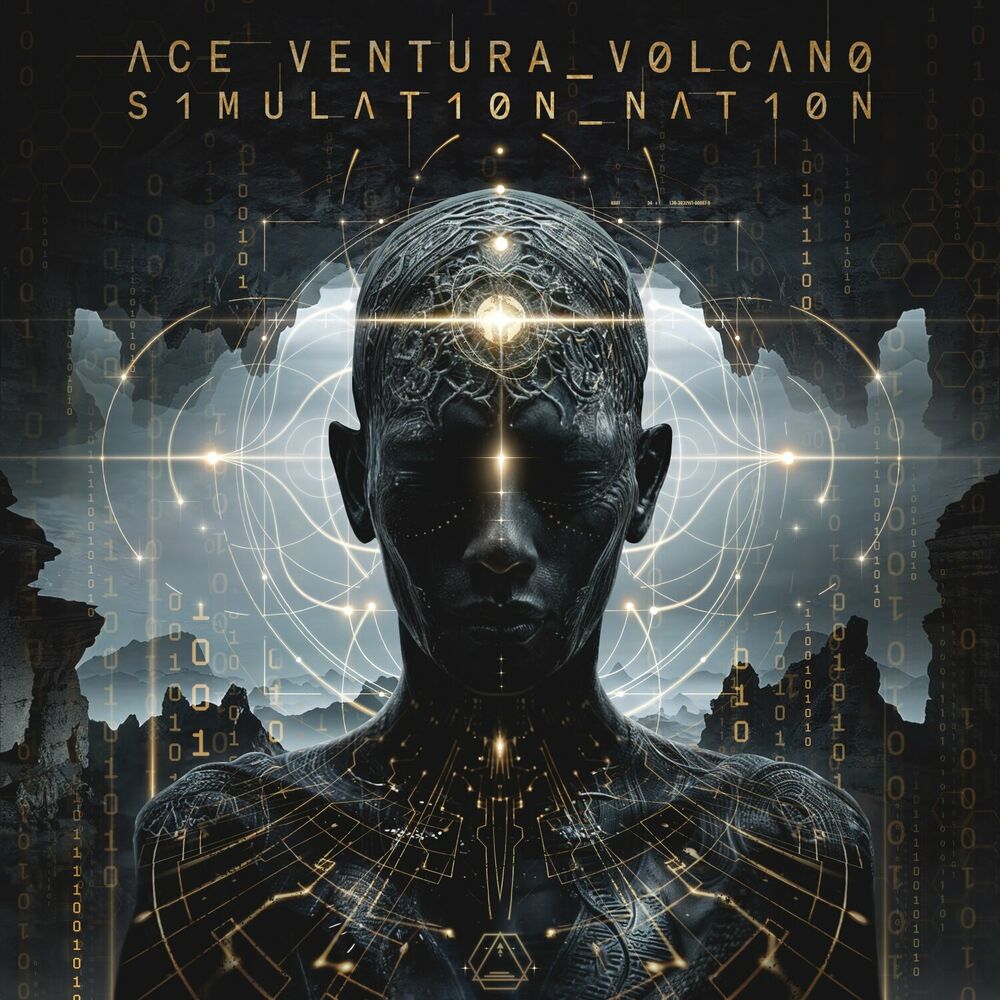
Volcano
۱۵۵ طرفدار
جدیدترینها

Incoming Signal (Original mix)

Multiple Futures

Release Yourself

Silence
Spiritual Voices
آخرین انتشارها

Incoming Signal
آخرین انتشار • تکآهنگ

Multiple Futures
۲۰۲۶ • تکآهنگ

Release Yourself
۲۰۲۵ • تکآهنگ

Spiritual Voices
۲۰۲۵ • تکآهنگ





طرفداران اینها را هم گوش میدهند


درباره
۱۵۵ طرفدار
۴۴ انتشار • فعال از ۲۰۰۹
A volcano is a vent or fissure in the crust of a planetary-mass object that allows hot lava, volcanic ash, and gases to escape from a magma chamber below the surface. On Earth, volcanoes are most often found where tectonic plates are diverging or converging, and because most of Earth's plate boundaries are underwater, most volcanoes are found underwater. For example, a mid-ocean ridge, such as the Mid-Atlantic Ridge, has volcanoes caused by divergent tectonic plates whereas the Pacific Ring of Fire has volcanoes caused by convergent tectonic plates. Volcanoes resulting from divergent tectonic activity are usually nonexplosive whereas those resulting from convergent tectonic activity cause violent eruptions. Volcanoes can also form where there is stretching and thinning of the crust's plates, such as in the East African Rift, the Wells Gray-Clearwater volcanic field, and the Rio Grande rift in North America. Volcanism away from plate boundaries most likely arises from upwelling diapirs from the core–mantle boundary called mantle plumes, 3,000 kilometres (1,900 mi) deep within Earth. This results in hotspot volcanism or intraplate volcanism, in which the plume may cause thinning of the crust and result in a volcanic island chain due to the continuous movement of the tectonic plate, of which the Hawaiian hotspot is an example. Volcanoes are usually not created at transform tectonic boundaries where two tectonic plates slide past one another. Volcanoes, based on their frequency of eruption or volcanism, are referred to as either active, dormant, or extinct. Active volcanoes have a history of volcanism and are likely to erupt again, while extinct ones are not capable of eruption at all as they have no magma source. "Dormant" volcanoes have not erupted in a long time – generally accepted as since the start of the Holocene, about 12,000 years ago – but may erupt again. However, dormant volcanoes are technically considered to be seismically "active".
ادامهی بیوگرافی
A volcano is a vent or fissure in the crust of a planetary-mass object that allows hot lava, volcanic ash, and gases to escape from a magma chamber below the surface. On Earth, volcanoes are most often found where tectonic plates are diverging or converging, and because most of Earth's plate boundaries are underwater, most volcanoes are found underwater. For example, a mid-ocean ridge, such as the Mid-Atlantic Ridge, has volcanoes caused by divergent tectonic plates whereas the Pacific Ring of Fire has volcanoes caused by convergent tectonic plates. Volcanoes resulting from divergent tectonic activity are usually nonexplosive whereas those resulting from convergent tectonic activity cause violent eruptions. Volcanoes can also form where there is stretching and thinning of the crust's plates, such as in the East African Rift, the Wells Gray-Clearwater volcanic field, and the Rio Grande rift in North America. Volcanism away from plate boundaries most likely arises from upwelling diapirs from the core–mantle boundary called mantle plumes, 3,000 kilometres (1,900 mi) deep within Earth. This results in hotspot volcanism or intraplate volcanism, in which the plume may cause thinning of the crust and result in a volcanic island chain due to the continuous movement of the tectonic plate, of which the Hawaiian hotspot is an example. Volcanoes are usually not created at transform tectonic boundaries where two tectonic plates slide past one another. Volcanoes, based on their frequency of eruption or volcanism, are referred to as either active, dormant, or extinct. Active volcanoes have a history of volcanism and are likely to erupt again, while extinct ones are not capable of eruption at all as they have no magma source. "Dormant" volcanoes have not erupted in a long time – generally accepted as since the start of the Holocene, about 12,000 years ago – but may erupt again. However, dormant volcanoes are technically considered to be seismically "active".
منبع: ویکیپدیا