Prljavo Kazaliste
Prljavo Kazaliste
۸۴٫۹ هزار طرفدار
جدیدترینها

Sam (Live)

17 ti je godina tek (Remake)

Televizori
Majka

Svemirski Tobogan
آخرین انتشارها

Sam (Live)
آخرین انتشار • تکآهنگ

17 ti je godina tek (Remake)
۲۰۲۴ • تکآهنگ

Televizori
۲۰۲۴ • تکآهنگ

Underground
۲۰۲۳ • آلبوم


طرفداران اینها را هم گوش میدهند


درباره
۸۴٬۹۲۳ طرفدار
۲۸ انتشار • فعال از ۱۹۹۳
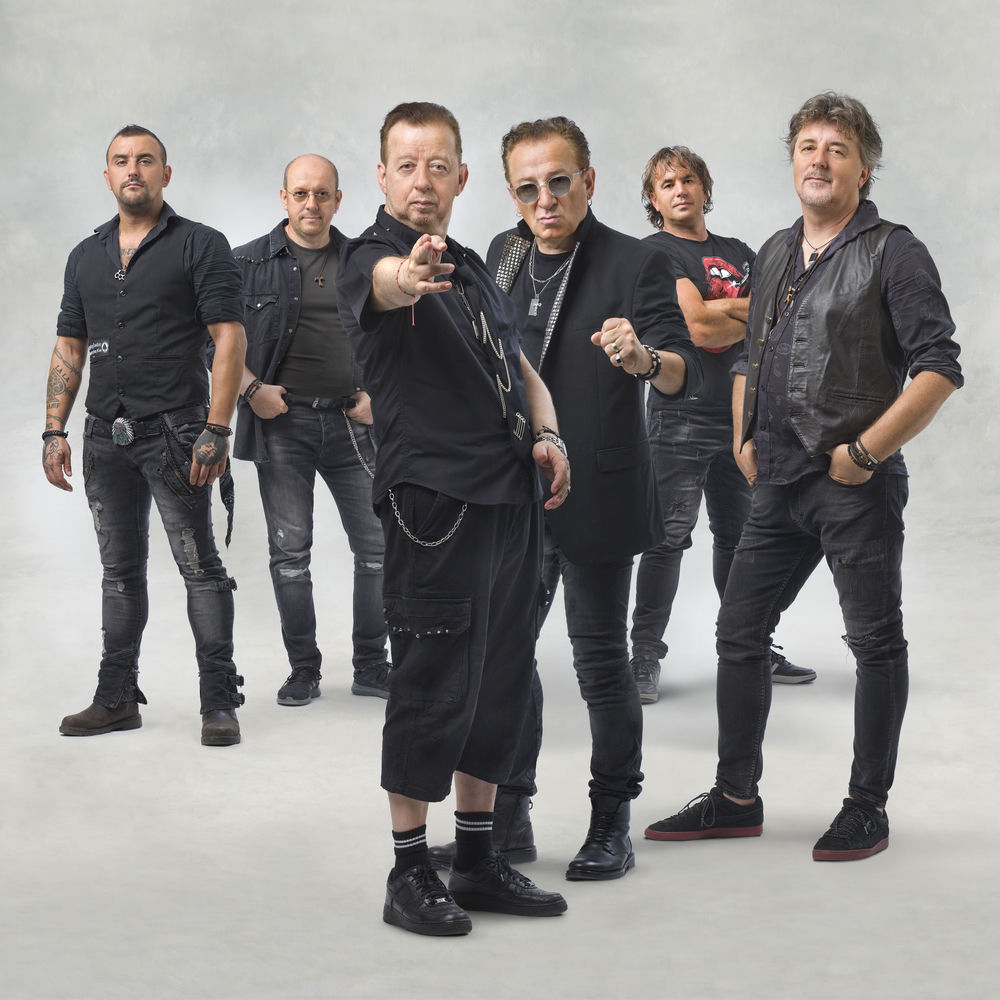
Prljavo Kazalište (lit. Dirty Theater) is the name of two Croatian (formerly Yugoslav) rock bands; one formed in Zagreb in 1977, and the other formed in Zagreb in 2023. Initially part of the Yugoslav punk rock and new wave scene, the original incarnation of the band turned to mainstream rock sound in mid-1980s. The group has enjoyed large popularity throughout most of its career, and is widely considered one of the most influential acts of Yugoslav and Croatian rock scenes. Formed by vocalist Davorin Bogović, guitarist Jasenko Houra, guitarist Zoran Cvetković "Zok", bass guitarist Nino Hrastek and drummer Tihomir Fileš, Prljavo Kazalište initially performed punk rock, their songs lyrics featuring provocative social commentary. Their eponymous debut album, recorded with guitarist Marijan Brkić "Brk", who came in as replacement for Cvetković, was released in 1979 to large attention of the country's public and critical acclaim. With their following, more ska- and 2 Tone-oriented album Crno bijeli svijet the group established themselves as one of the most notable acts of the Yugoslav new wave scene. After the album release, Bogović departed from the group, and the band recorded their third album Heroj ulice with Houra on lead vocals, the record marking the band's shift towards more conventional rock sound. Bogović returned for the group's fourth album Korak od sna, after which the group went on hiatus. The band returned to the scene with the 1985 album Zlatne godine, featuring new frontman Mladen Bodalec and radio-friendly pop rock sound. During the following years, the band would enjoy large mainstream popularity, scoring a number of hit songs. Their late 1980s work sparked controversy in some parts of Yugoslavia due to its (perceived) nationalistic undertones, but also increased the band's popularity in Croatian public. During the Croatian War of Independence, the band recorded a number of patriotic tunes, but returned to social criticism with their late 1990s works.
ادامهی بیوگرافی
Prljavo Kazalište (lit. Dirty Theater) is the name of two Croatian (formerly Yugoslav) rock bands; one formed in Zagreb in 1977, and the other formed in Zagreb in 2023. Initially part of the Yugoslav punk rock and new wave scene, the original incarnation of the band turned to mainstream rock sound in mid-1980s. The group has enjoyed large popularity throughout most of its career, and is widely considered one of the most influential acts of Yugoslav and Croatian rock scenes. Formed by vocalist Davorin Bogović, guitarist Jasenko Houra, guitarist Zoran Cvetković "Zok", bass guitarist Nino Hrastek and drummer Tihomir Fileš, Prljavo Kazalište initially performed punk rock, their songs lyrics featuring provocative social commentary. Their eponymous debut album, recorded with guitarist Marijan Brkić "Brk", who came in as replacement for Cvetković, was released in 1979 to large attention of the country's public and critical acclaim. With their following, more ska- and 2 Tone-oriented album Crno bijeli svijet the group established themselves as one of the most notable acts of the Yugoslav new wave scene. After the album release, Bogović departed from the group, and the band recorded their third album Heroj ulice with Houra on lead vocals, the record marking the band's shift towards more conventional rock sound. Bogović returned for the group's fourth album Korak od sna, after which the group went on hiatus. The band returned to the scene with the 1985 album Zlatne godine, featuring new frontman Mladen Bodalec and radio-friendly pop rock sound. During the following years, the band would enjoy large mainstream popularity, scoring a number of hit songs. Their late 1980s work sparked controversy in some parts of Yugoslavia due to its (perceived) nationalistic undertones, but also increased the band's popularity in Croatian public. During the Croatian War of Independence, the band recorded a number of patriotic tunes, but returned to social criticism with their late 1990s works.
منبع: ویکیپدیا