Plavi Orkestar

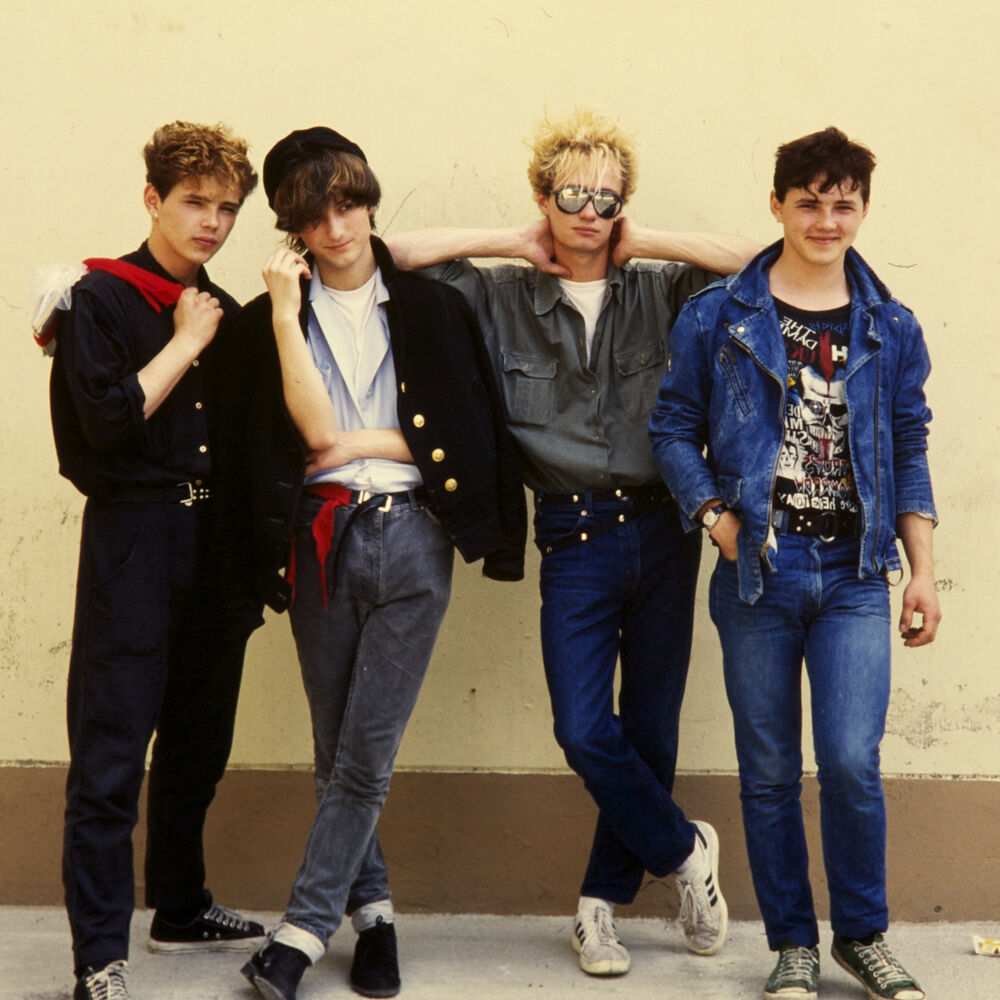
Plavi Orkestar
۵۰٫۲ هزار طرفدار
جدیدترینها

Kad Ti Ljubav Ime Prozove (Live)
Kaja
Suada

Ti Misliš Da Je Meni Lako
(R)Evolucija
آخرین انتشارها

KAD TI LJUBAV IME PROZOVE (LIVE)
آخرین انتشار • تکآهنگ
Greatest Hits Collection
۲۰۱۶ • آلبوم

Ti Misliš Da Je Meni Lako
۲۰۱۵ • تکآهنگ
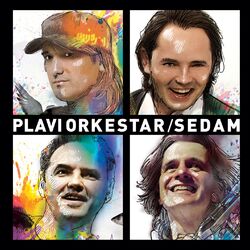
Sedam
۲۰۱۲ • آلبوم


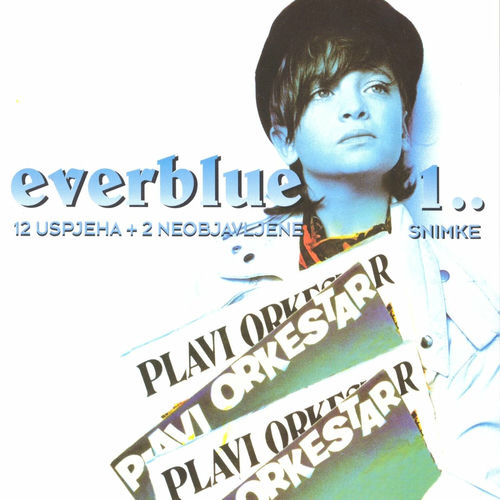


طرفداران اینها را هم گوش میدهند





درباره
۵۰٬۱۸۷ طرفدار
۱۴ انتشار • فعال از ۱۹۹۸
Plavi Orkestar (lit. 'Blue Orchestra') is a pop rock band originally formed in Sarajevo, SR Bosnia and Herzegovina, SFR Yugoslavia in 1983, and since 1998 based in Slovenia. Plavi Orkestar was one of the most popular acts of the 1980s Yugoslav rock scene and one of the best-selling acts of the Yugoslav popular music scene in general. The band was started in 1982 by four teenagers – vocalist Saša Lošić "Loša", guitarist Srđan Krošnjar, bass guitarist Gordan Džamonja and drummer Admir Ćeremida "Ćera II". In 1983, the four were joined by experienced guitarist Mladen Pavičić "Pava". The band got a steady lineup in late 1983, with the departure of Krošnjar and Džamonja and the arrival of Admir Ćeremida's twin brother, bass guitarist Samir Ćeremida "Ćera I". In the early stage of their career, Plavi Orkestar were associated with the New Primitivism subcultural movement, but turned towards more commercial folk-influenced pop rock sound with their debut Soldatski bal. The album, released in 1985, became one of the best-selling records in the history of Yugoslav popular music and the band members rose to the status of teen stars, despite mixed reactions coming from the Yugoslav music critics. On their following album, Smrt fašizmu!, the band, influenced by their manager and promoter Malkolm Muharem, presented themselves with the concept named New Partisans, featuring lyrics and imagery inspired by Yugoslav Partisans and Yugoslavism. The album was generally disliked by the critics and alienated the band from a large part of their teenage fans, the members deciding to make a discographic hiatus after its release. With the album Sunce na prozoru, released in 1989, the band turned to sentimental pop rock sound. Despite not repeating the nationwide success of the group's first album, Sunce na prozoru and Simpatija, released in 1991, brought a number of hits. The outbreak of the Bosnian War forced the band members to end their activity in 1992.
ادامهی بیوگرافی
Plavi Orkestar (lit. 'Blue Orchestra') is a pop rock band originally formed in Sarajevo, SR Bosnia and Herzegovina, SFR Yugoslavia in 1983, and since 1998 based in Slovenia. Plavi Orkestar was one of the most popular acts of the 1980s Yugoslav rock scene and one of the best-selling acts of the Yugoslav popular music scene in general. The band was started in 1982 by four teenagers – vocalist Saša Lošić "Loša", guitarist Srđan Krošnjar, bass guitarist Gordan Džamonja and drummer Admir Ćeremida "Ćera II". In 1983, the four were joined by experienced guitarist Mladen Pavičić "Pava". The band got a steady lineup in late 1983, with the departure of Krošnjar and Džamonja and the arrival of Admir Ćeremida's twin brother, bass guitarist Samir Ćeremida "Ćera I". In the early stage of their career, Plavi Orkestar were associated with the New Primitivism subcultural movement, but turned towards more commercial folk-influenced pop rock sound with their debut Soldatski bal. The album, released in 1985, became one of the best-selling records in the history of Yugoslav popular music and the band members rose to the status of teen stars, despite mixed reactions coming from the Yugoslav music critics. On their following album, Smrt fašizmu!, the band, influenced by their manager and promoter Malkolm Muharem, presented themselves with the concept named New Partisans, featuring lyrics and imagery inspired by Yugoslav Partisans and Yugoslavism. The album was generally disliked by the critics and alienated the band from a large part of their teenage fans, the members deciding to make a discographic hiatus after its release. With the album Sunce na prozoru, released in 1989, the band turned to sentimental pop rock sound. Despite not repeating the nationwide success of the group's first album, Sunce na prozoru and Simpatija, released in 1991, brought a number of hits. The outbreak of the Bosnian War forced the band members to end their activity in 1992.
منبع: ویکیپدیا