The Kinks


The Kinks
۶۷۷٫۱ هزار طرفدار
جدیدترینها


آخرین انتشارها

Give the People What They Want
آخرین انتشار • آلبوم

Everybody's in Show-Biz (Deluxe / Remastered 2022)
۲۰۲۶ • آلبوم

The Kink Kronikles
۲۰۲۶ • آلبوم
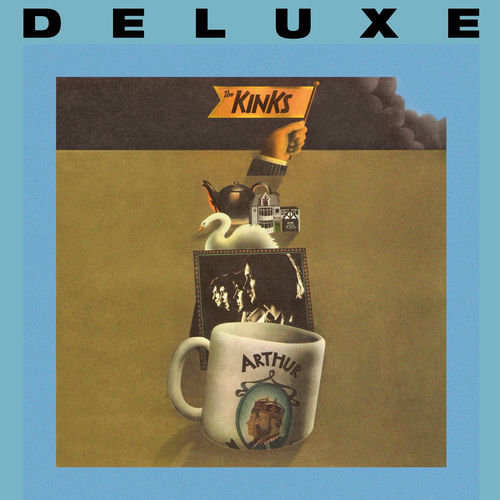
Arthur or the Decline and Fall of the British Empire (Deluxe)
۲۰۲۶ • آلبوم




طرفداران اینها را هم گوش میدهند


درباره
۶۷۷٬۱۲۳ طرفدار
۹۲ انتشار • فعال از ۱۹۶۵
The Kinks were an English rock band formed in London in 1962. The band's classic line-up comprised brothers Ray Davies (lead vocals, rhythm guitar) and Dave Davies (lead guitar, vocals), Pete Quaife (bass), and Mick Avory (drums, percussion). Emerging during the height of British rhythm and blues and Merseybeat, their breakthrough third single, the Ray Davies-penned "You Really Got Me" (1964), became an international hit, topping the charts in the United Kingdom and reaching the Top 10 in the United States. Other early hits included "All Day and All of the Night" (1964), "Tired of Waiting for You", "Set Me Free", "See My Friends", and "Till the End of the Day" (all 1965). They were part of the British Invasion of America until several problems during their 1965 American tour led to them being banned from touring there for several years. The Kinks' music drew from a wide range of influences, including American R&B and rock and roll initially, and later adopting British music hall, folk, and country. Beginning with the late 1965 Kwyet Kinks EP, the band gained a reputation for reflecting English culture and lifestyle, fuelled by Ray Davies's observational and satirical lyricism, and made apparent in albums such as Face to Face (1966), Something Else by the Kinks (1967), The Kinks Are the Village Green Preservation Society (1968), Arthur (Or the Decline and Fall of the British Empire) (1969), Lola Versus Powerman and the Moneygoround, Part One (1970), and Muswell Hillbillies (1971), along with their hit singles during this period, including "Dedicated Follower of Fashion", "Sunny Afternoon", "Dead End Street" (all 1966), "Waterloo Sunset", "Autumn Almanac" (both 1967), "Days" (1968), and "Lola" (1970).
ادامهی بیوگرافی
The Kinks were an English rock band formed in London in 1962. The band's classic line-up comprised brothers Ray Davies (lead vocals, rhythm guitar) and Dave Davies (lead guitar, vocals), Pete Quaife (bass), and Mick Avory (drums, percussion). Emerging during the height of British rhythm and blues and Merseybeat, their breakthrough third single, the Ray Davies-penned "You Really Got Me" (1964), became an international hit, topping the charts in the United Kingdom and reaching the Top 10 in the United States. Other early hits included "All Day and All of the Night" (1964), "Tired of Waiting for You", "Set Me Free", "See My Friends", and "Till the End of the Day" (all 1965). They were part of the British Invasion of America until several problems during their 1965 American tour led to them being banned from touring there for several years. The Kinks' music drew from a wide range of influences, including American R&B and rock and roll initially, and later adopting British music hall, folk, and country. Beginning with the late 1965 Kwyet Kinks EP, the band gained a reputation for reflecting English culture and lifestyle, fuelled by Ray Davies's observational and satirical lyricism, and made apparent in albums such as Face to Face (1966), Something Else by the Kinks (1967), The Kinks Are the Village Green Preservation Society (1968), Arthur (Or the Decline and Fall of the British Empire) (1969), Lola Versus Powerman and the Moneygoround, Part One (1970), and Muswell Hillbillies (1971), along with their hit singles during this period, including "Dedicated Follower of Fashion", "Sunny Afternoon", "Dead End Street" (all 1966), "Waterloo Sunset", "Autumn Almanac" (both 1967), "Days" (1968), and "Lola" (1970).
منبع: ویکیپدیا