The Monkees

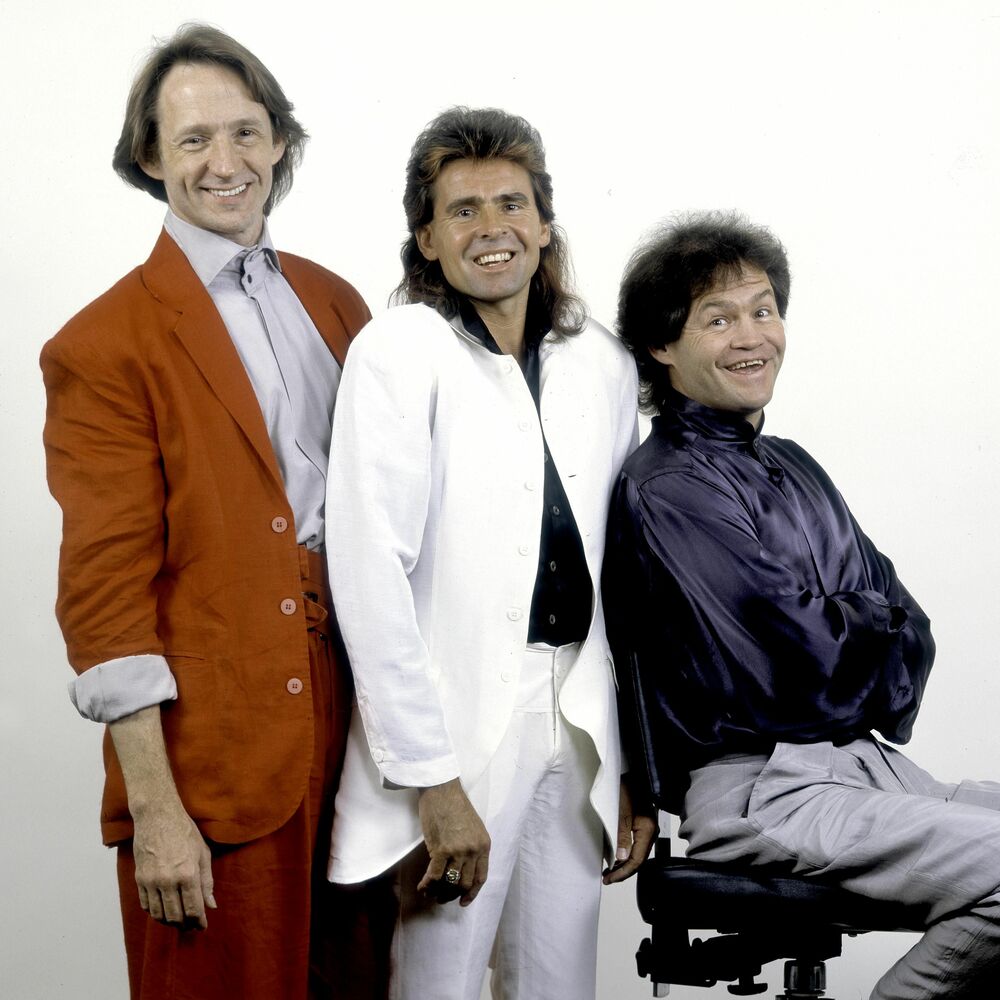
The Monkees
۶۱٫۳ هزار طرفدار
جدیدترینها

This Just Doesn't Seem to Be My Day (TV Version; Mono)
Take a Giant Step (Mono TV Version)
She (Mono TV Version)

Love's What I Want
A Better World
آخرین انتشارها

Made for TV: Official Soundtrack to Season 1 of The Monkees
آخرین انتشار • آلبوم
She (Mono TV Version)
۲۰۲۶ • تکآهنگ

Love's What I Want
۲۰۲۶ • تکآهنگ
A Better World
۲۰۲۶ • تکآهنگ


طرفداران اینها را هم گوش میدهند



درباره
۶۱٬۳۲۰ طرفدار
۳۸ انتشار • فعال از ۱۹۶۷
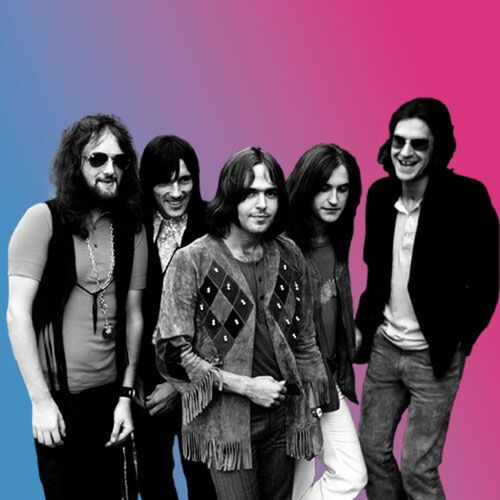
The Monkees were an American pop rock band, formed in Los Angeles in the mid-1960s, whose lineup consisted of Micky Dolenz, Davy Jones, Michael Nesmith, and Peter Tork. One of the most commercially successful bands of the late 1960s, the group was conceived in 1965 by television producers Bob Rafelson and Bert Schneider for the NBC situation comedy series of the same name. Music credited to the band was released on LP, as well as being included in the show, which aired from 1966 to 1968. At first, the band members' musical contributions were primarily limited to lead vocals and the occasional composition; the remainder was composed by professional songwriters and performed by session musicians such as the Wrecking Crew, under the music supervision of Don Kirshner and with production by figures including Boyce and Hart, Jack Keller, and Jeff Barry. From 1966 to 1967, the group enjoyed a consecutive run of four chart-topping albums: The Monkees, More of the Monkees, Headquarters, and Pisces, Aquarius, Capricorn & Jones Ltd.. During this period, they also achieved three number-one singles: "Last Train to Clarksville", "I'm a Believer", and "Daydream Believer". The members had increasingly desired greater control over the creation of their music and, following a brief power struggle, gained full control over their recordings in 1967. Starting with Headquarters, they worked with producer Chip Douglas and mostly performed as a group; however, by the recording of The Birds, The Bees & The Monkees, each member was pursuing his own interests under the Monkees' name. In 1968, they starred as themselves in the motion picture Head, planned as the antithesis of the television show, but received with an underwhelming critical and commercial reception.
ادامهی بیوگرافی
The Monkees were an American pop rock band, formed in Los Angeles in the mid-1960s, whose lineup consisted of Micky Dolenz, Davy Jones, Michael Nesmith, and Peter Tork. One of the most commercially successful bands of the late 1960s, the group was conceived in 1965 by television producers Bob Rafelson and Bert Schneider for the NBC situation comedy series of the same name. Music credited to the band was released on LP, as well as being included in the show, which aired from 1966 to 1968. At first, the band members' musical contributions were primarily limited to lead vocals and the occasional composition; the remainder was composed by professional songwriters and performed by session musicians such as the Wrecking Crew, under the music supervision of Don Kirshner and with production by figures including Boyce and Hart, Jack Keller, and Jeff Barry. From 1966 to 1967, the group enjoyed a consecutive run of four chart-topping albums: The Monkees, More of the Monkees, Headquarters, and Pisces, Aquarius, Capricorn & Jones Ltd.. During this period, they also achieved three number-one singles: "Last Train to Clarksville", "I'm a Believer", and "Daydream Believer". The members had increasingly desired greater control over the creation of their music and, following a brief power struggle, gained full control over their recordings in 1967. Starting with Headquarters, they worked with producer Chip Douglas and mostly performed as a group; however, by the recording of The Birds, The Bees & The Monkees, each member was pursuing his own interests under the Monkees' name. In 1968, they starred as themselves in the motion picture Head, planned as the antithesis of the television show, but received with an underwhelming critical and commercial reception.
منبع: ویکیپدیا